











14 and 15 March 2016
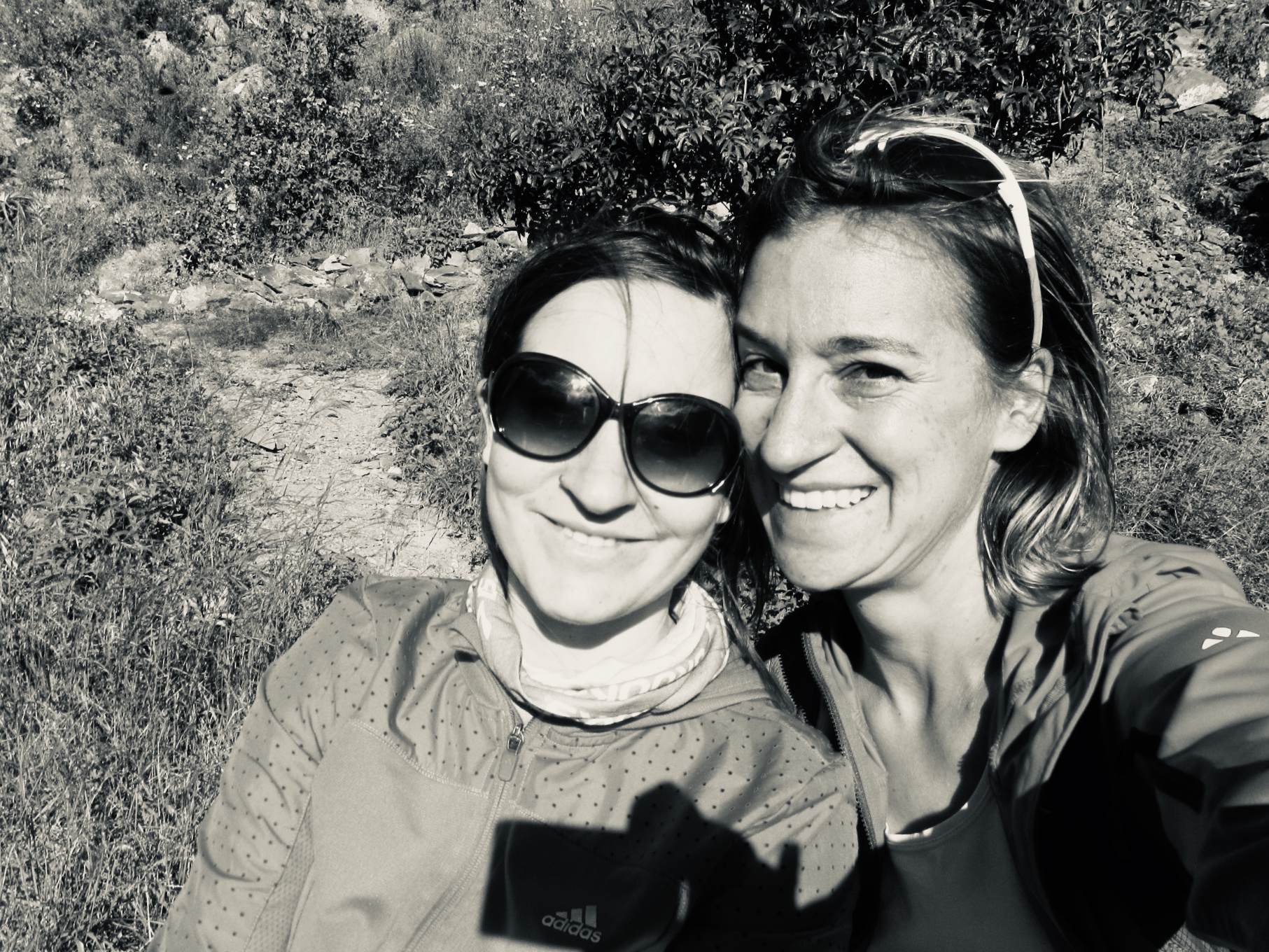
Machu Picchu is obviously a must when visiting Peru. Lena and I did not want to miss the Inca ruins high up in the mountains. We had to abandon the plan of doing an organised trek there as it would have been too strenuous for Lena, especially with the high altitudes. It may have endangered the baby. Although, I heard it is a great experience to witness the sunrise over Machu Picchu at Inti-Puncu, the Sun Gate, after five days of hiking. Maybe I have to go back there one day. Then again there are so many other places I still want to see plus you never know if they close the site one day to preserve it.
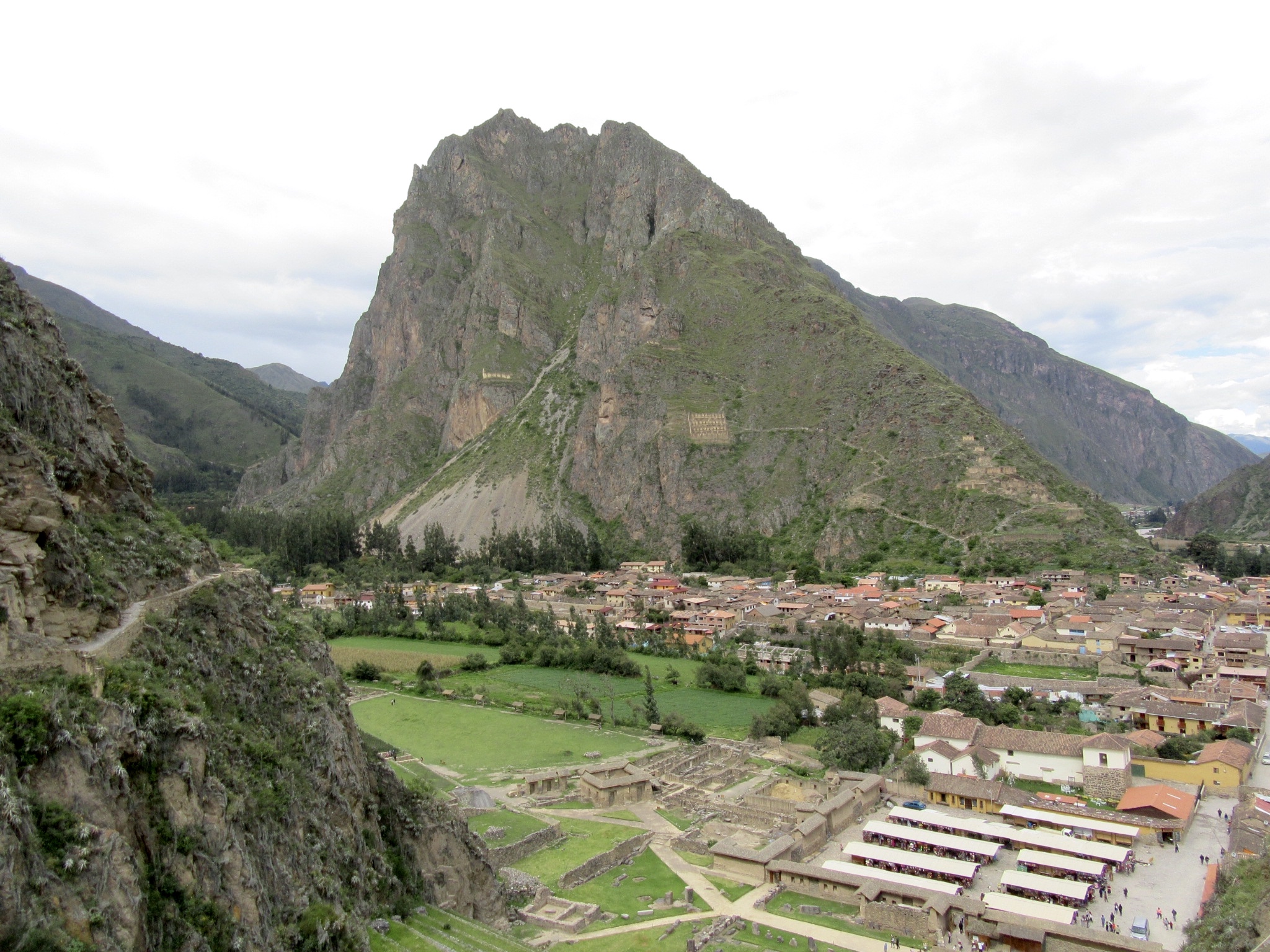
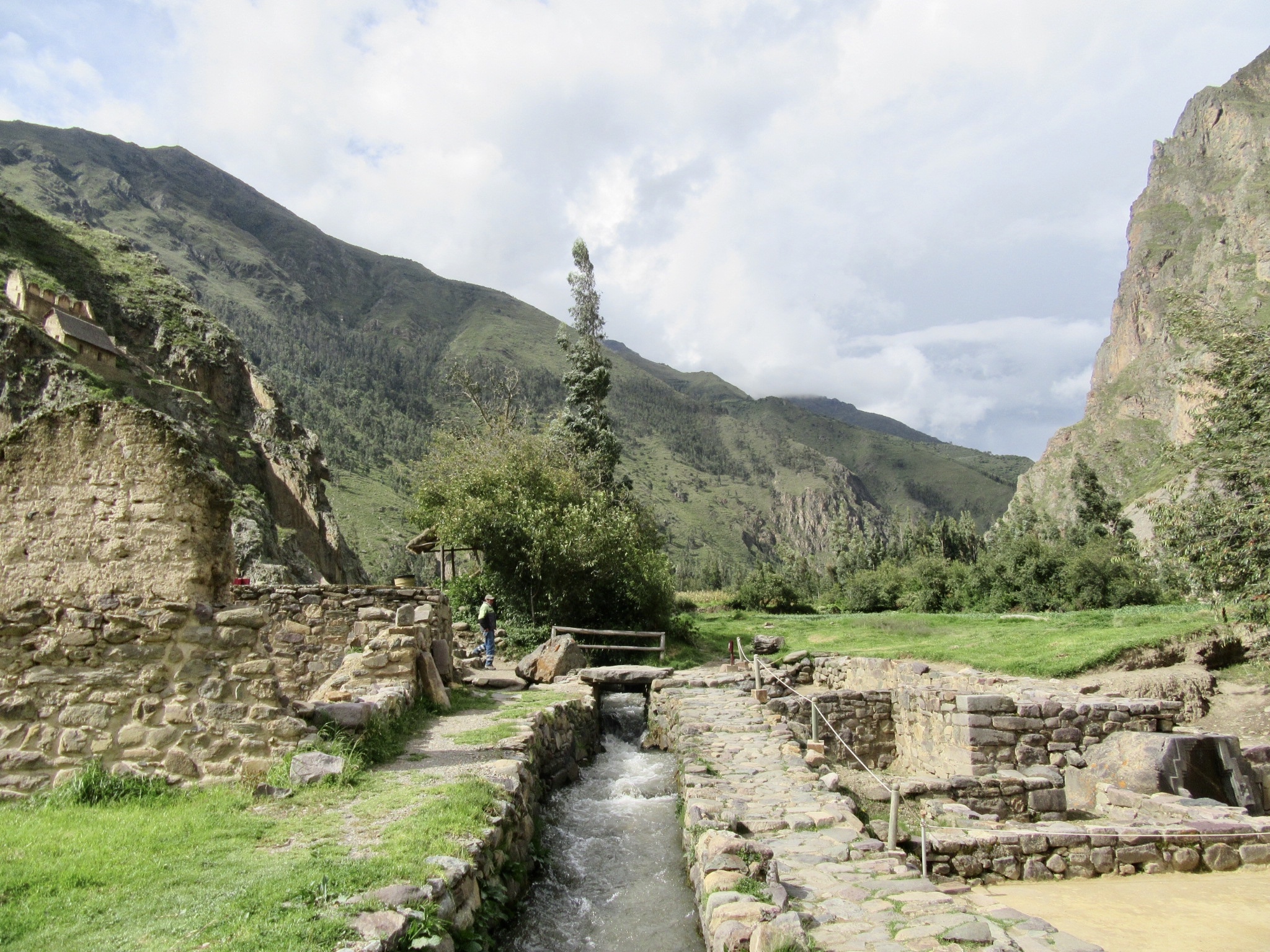
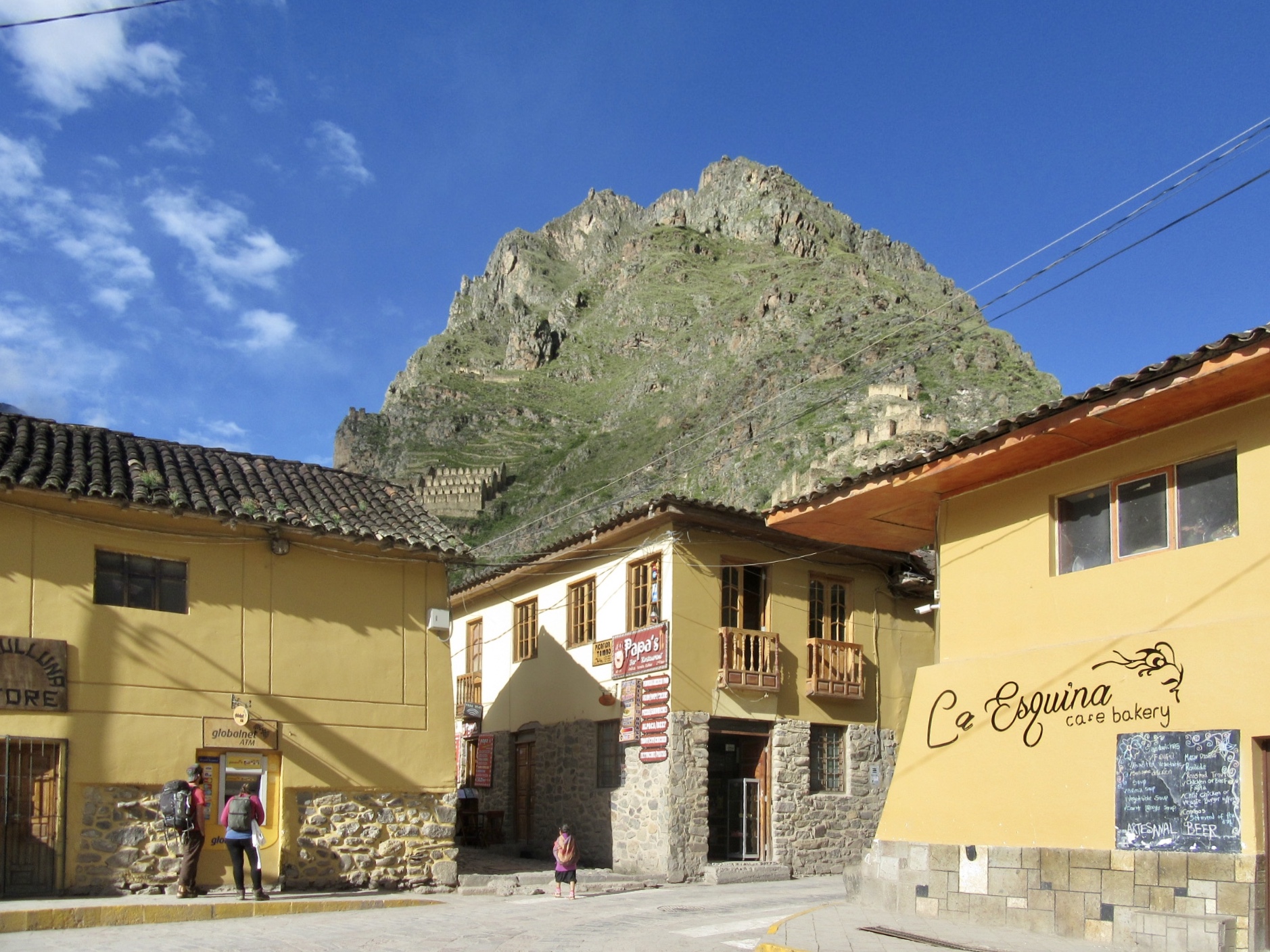
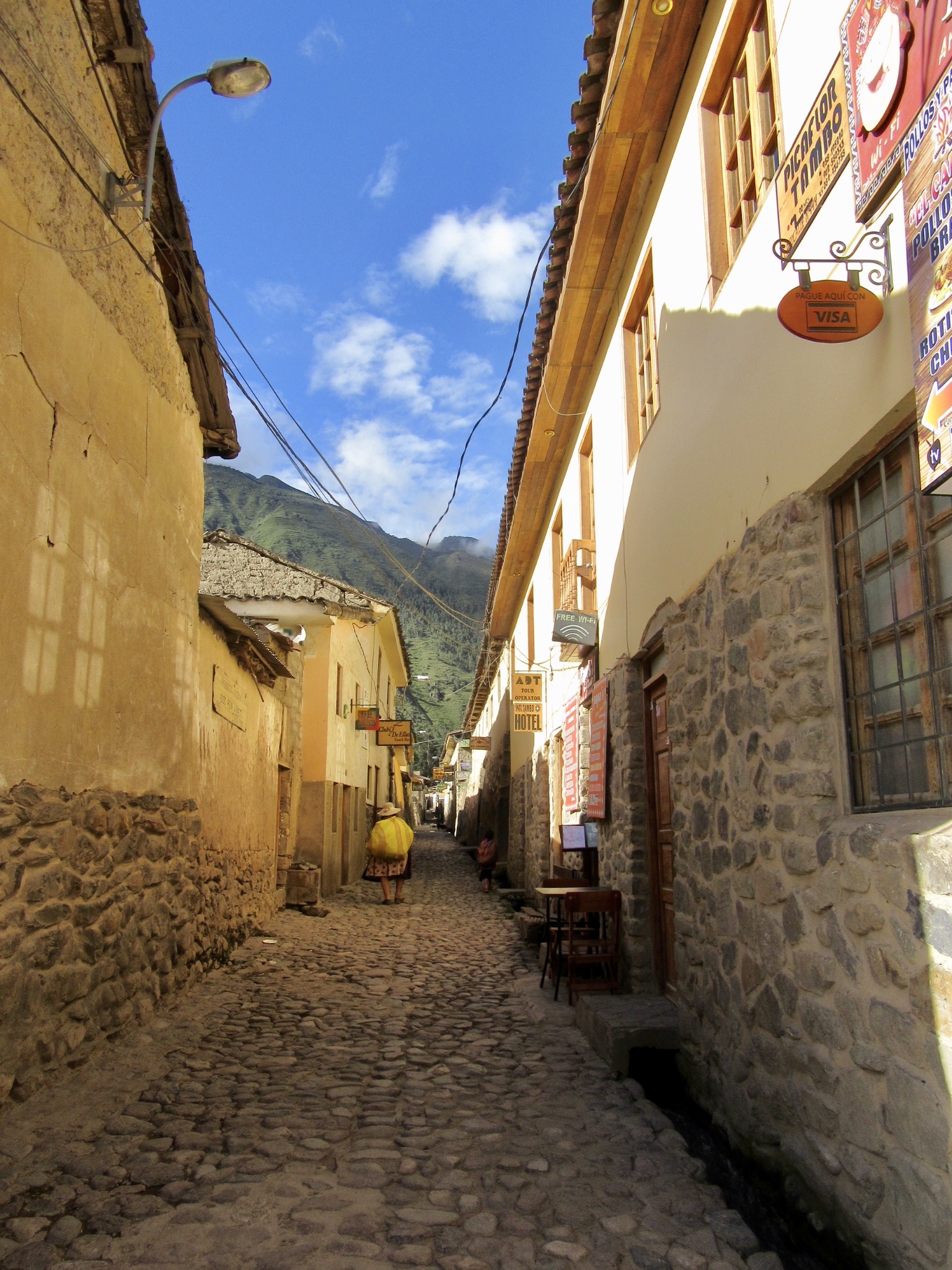
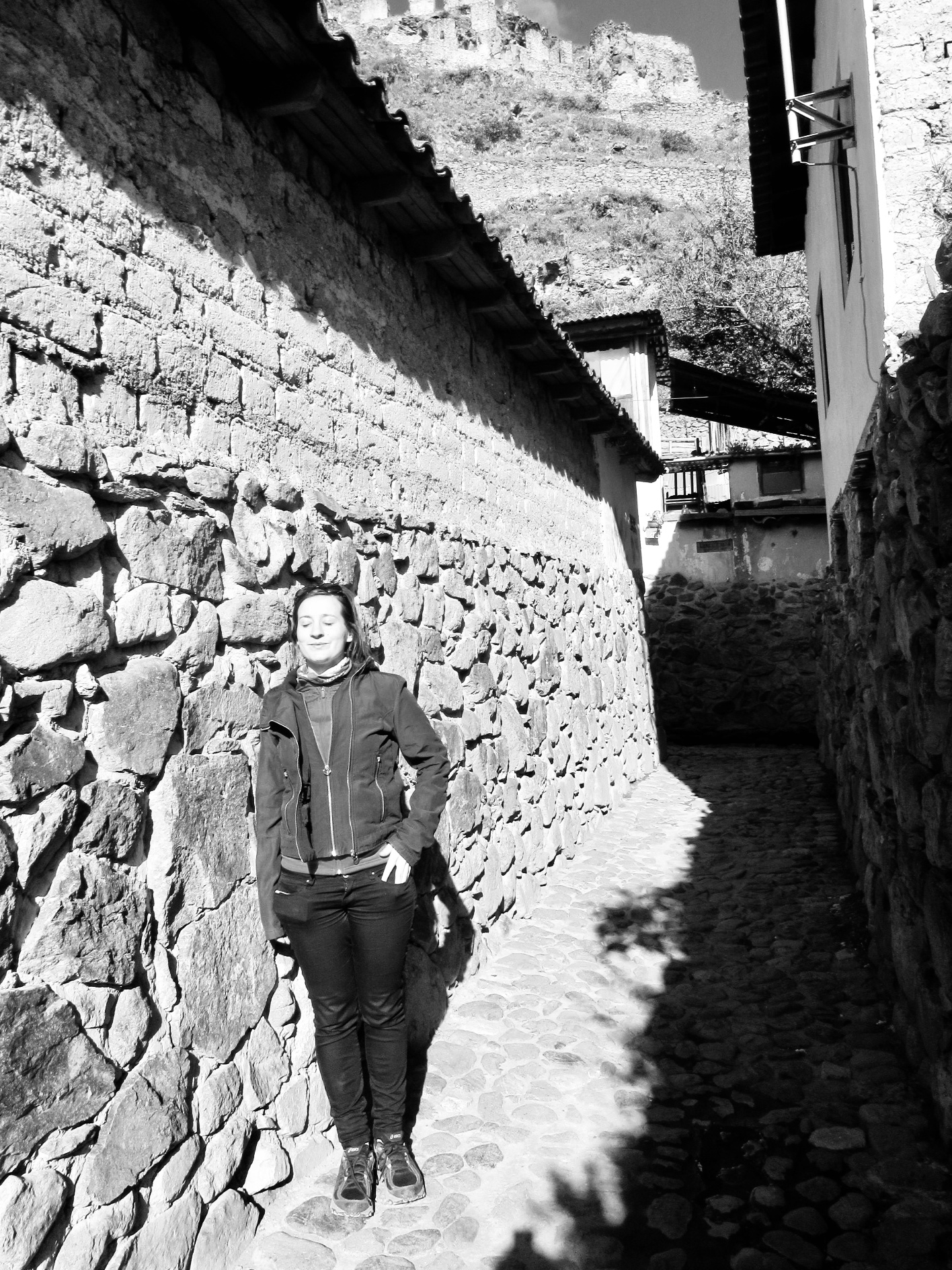
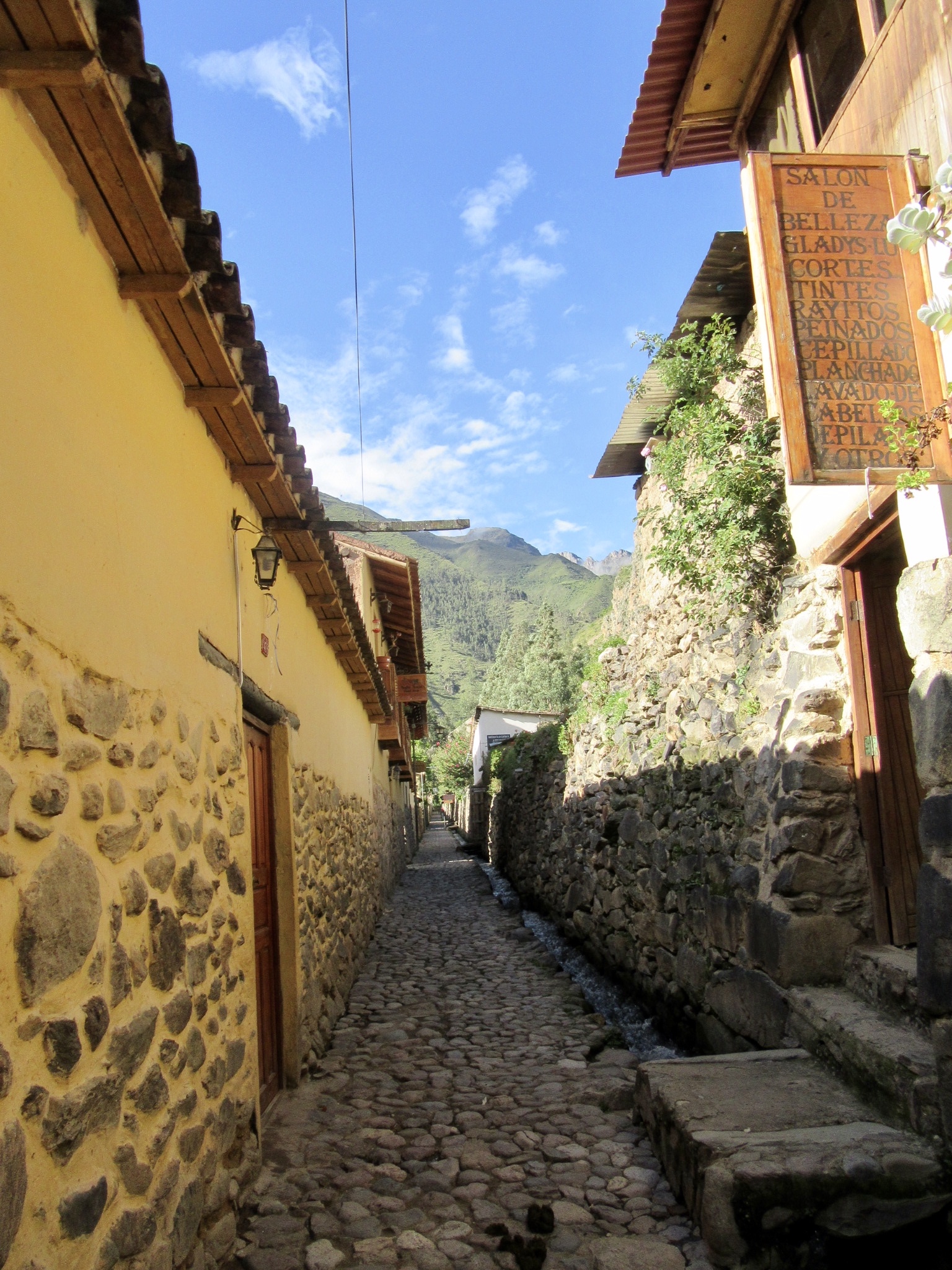
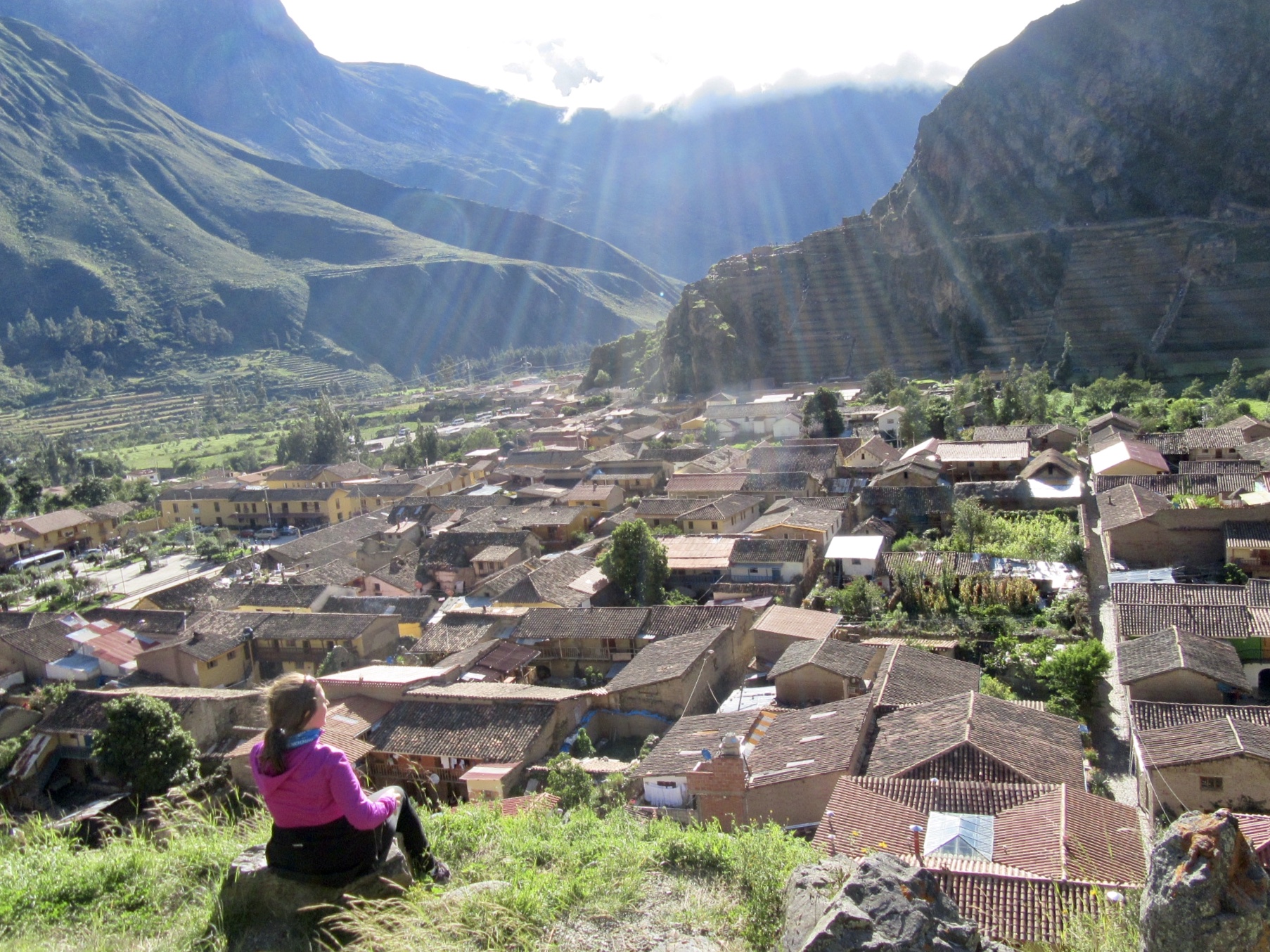
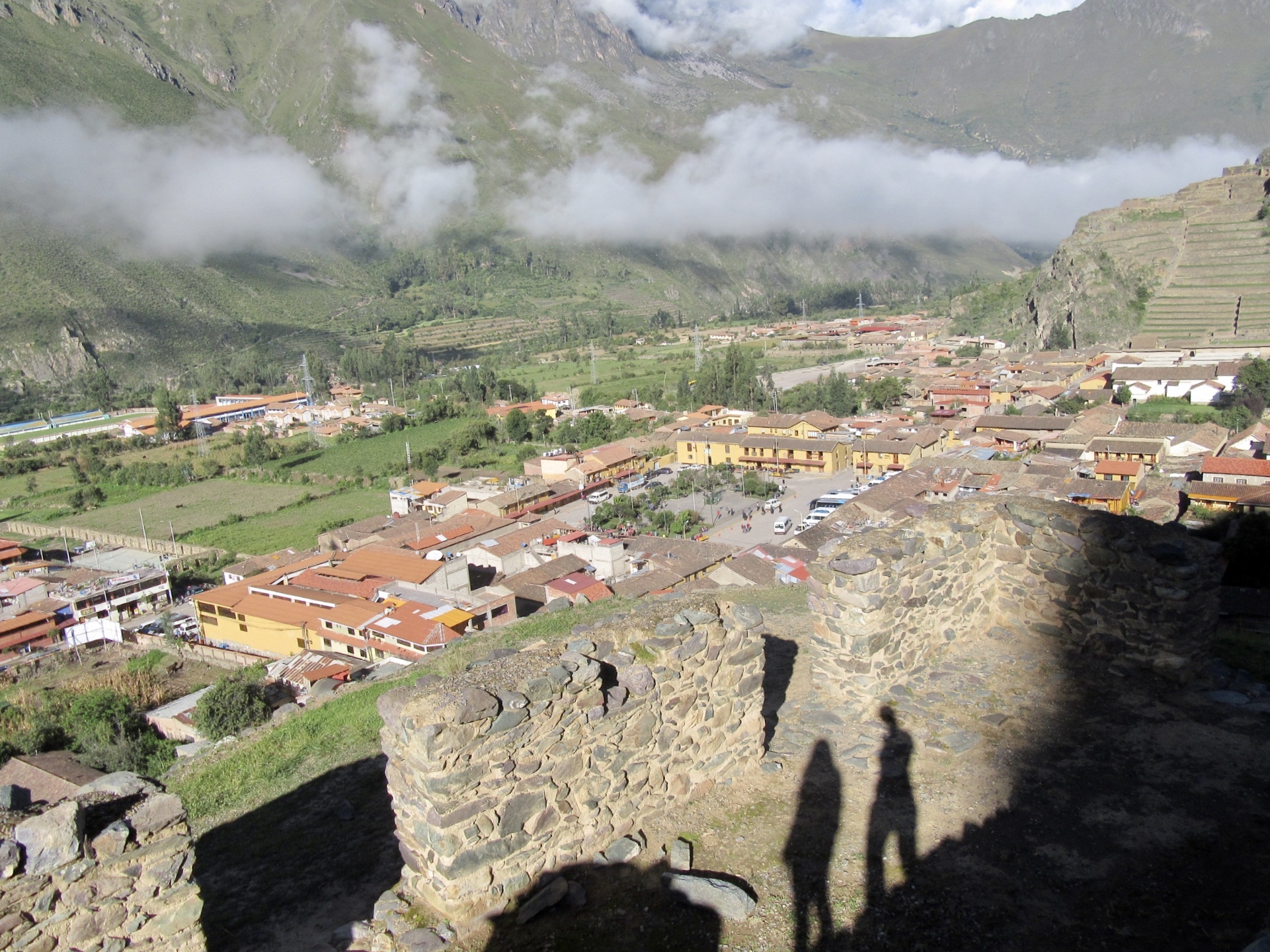
Lena and I bought train tickets from Ollantaytambo, a town in the Sacred Valley, to Aguas Calientes, the town at the bottom of Machu Picchu. We spent a night in each place. They could not be more different. Ollantaytambo is an old Inca town with beautiful narrow cobbled streets and houses whose foundations are from Incan times. Some streets have small water-filled runnels, which reminded me of a similar system in my hometown, the Freiburg Baechle. They served as water supply and to help fight fires. The Ollantaytambo Baechle probably had a similar function.
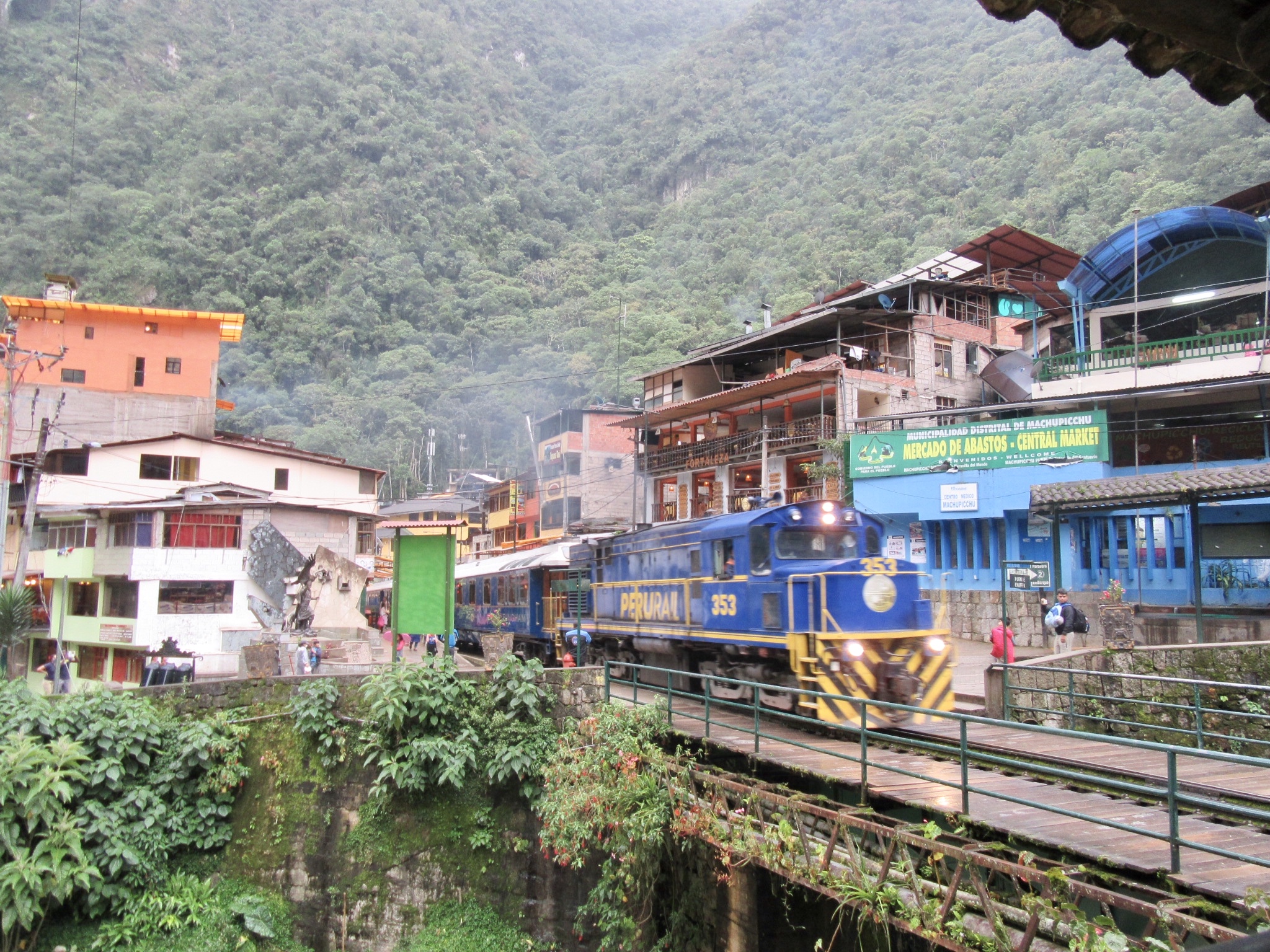
Aguas Calientes on the other hand sprung up in the early 20th century when the railway was built and now lives off the stream of tourists visiting Machu Picchu. It looks a mess of randomly placed buildings.
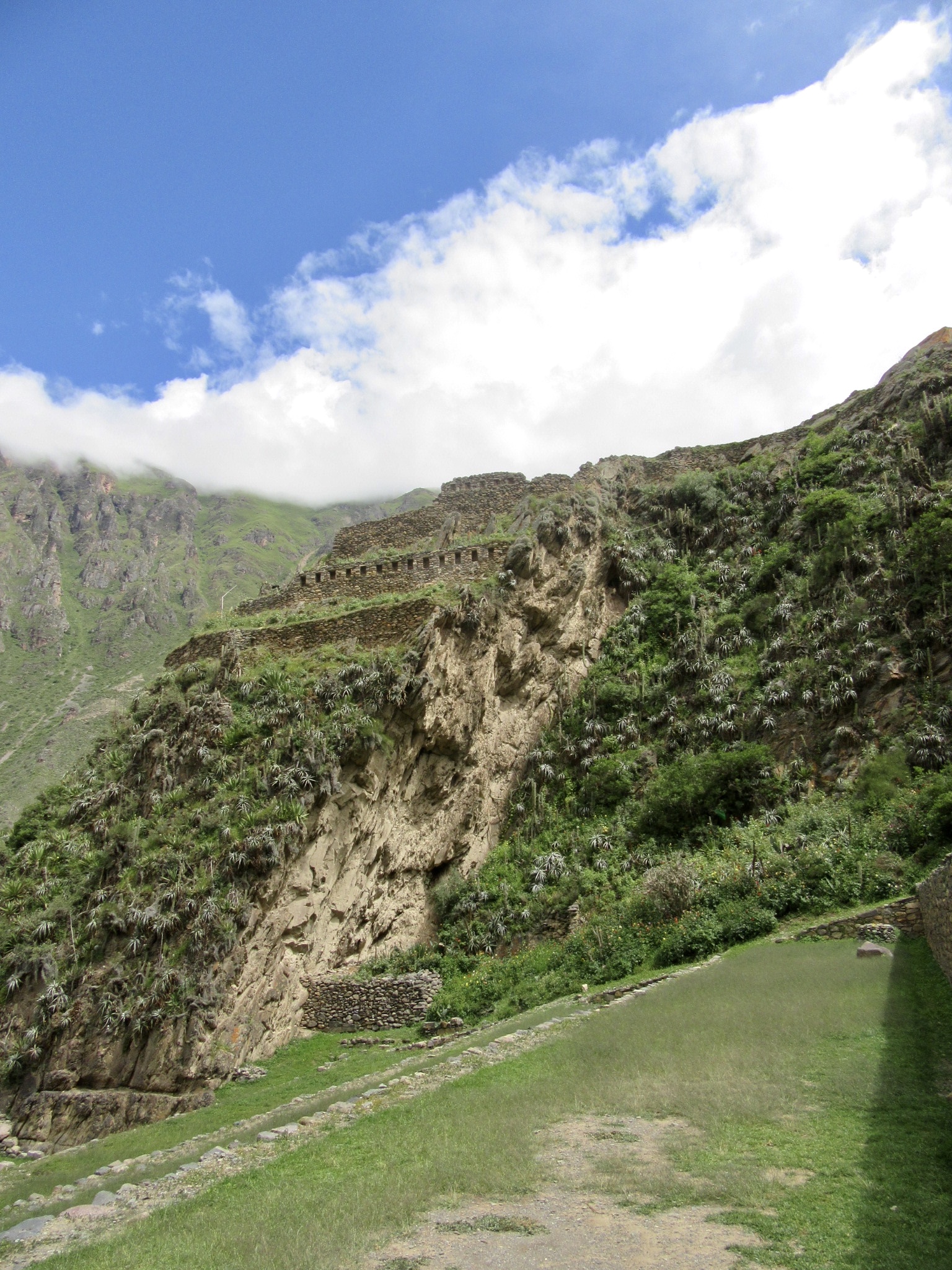
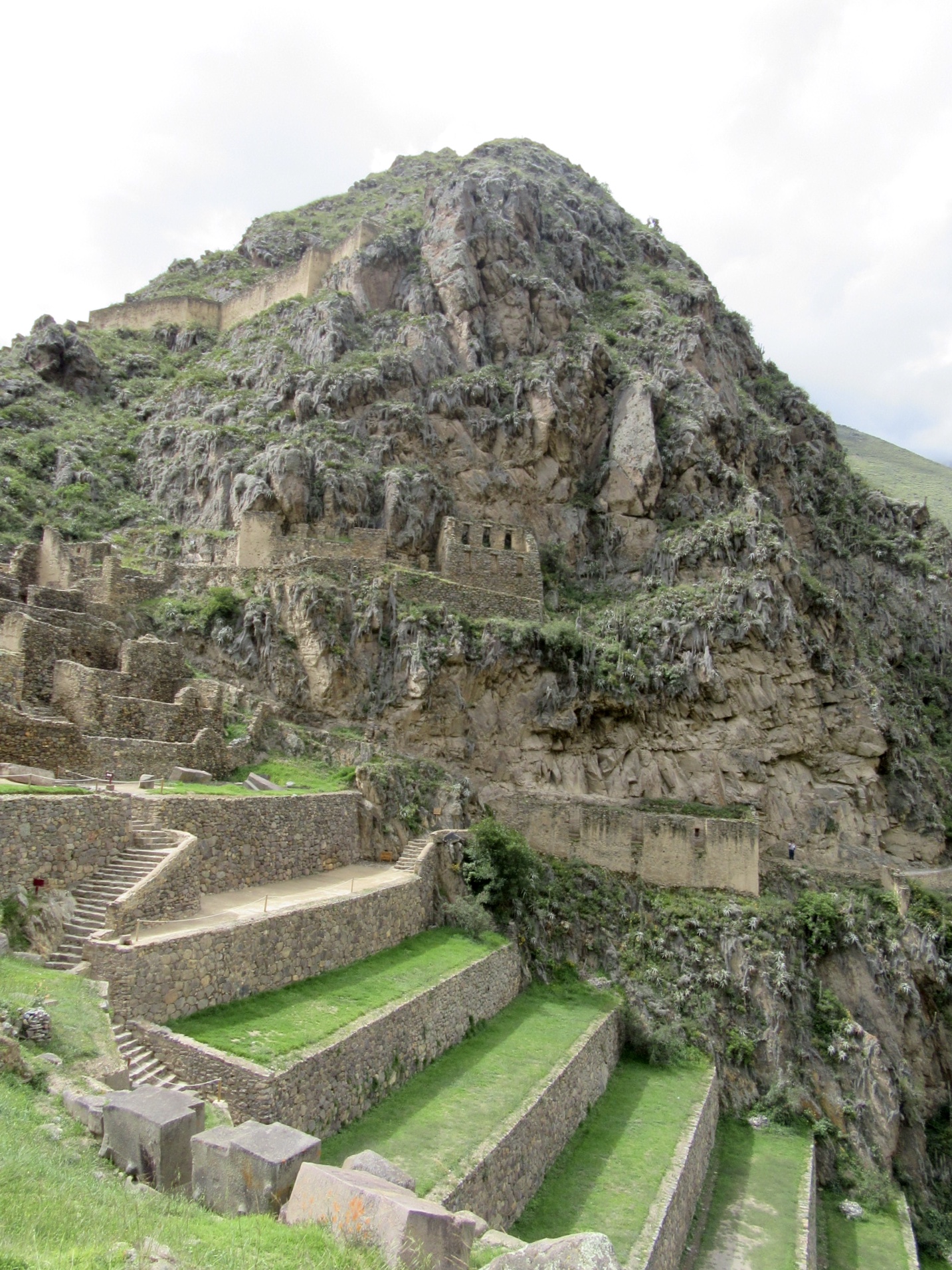
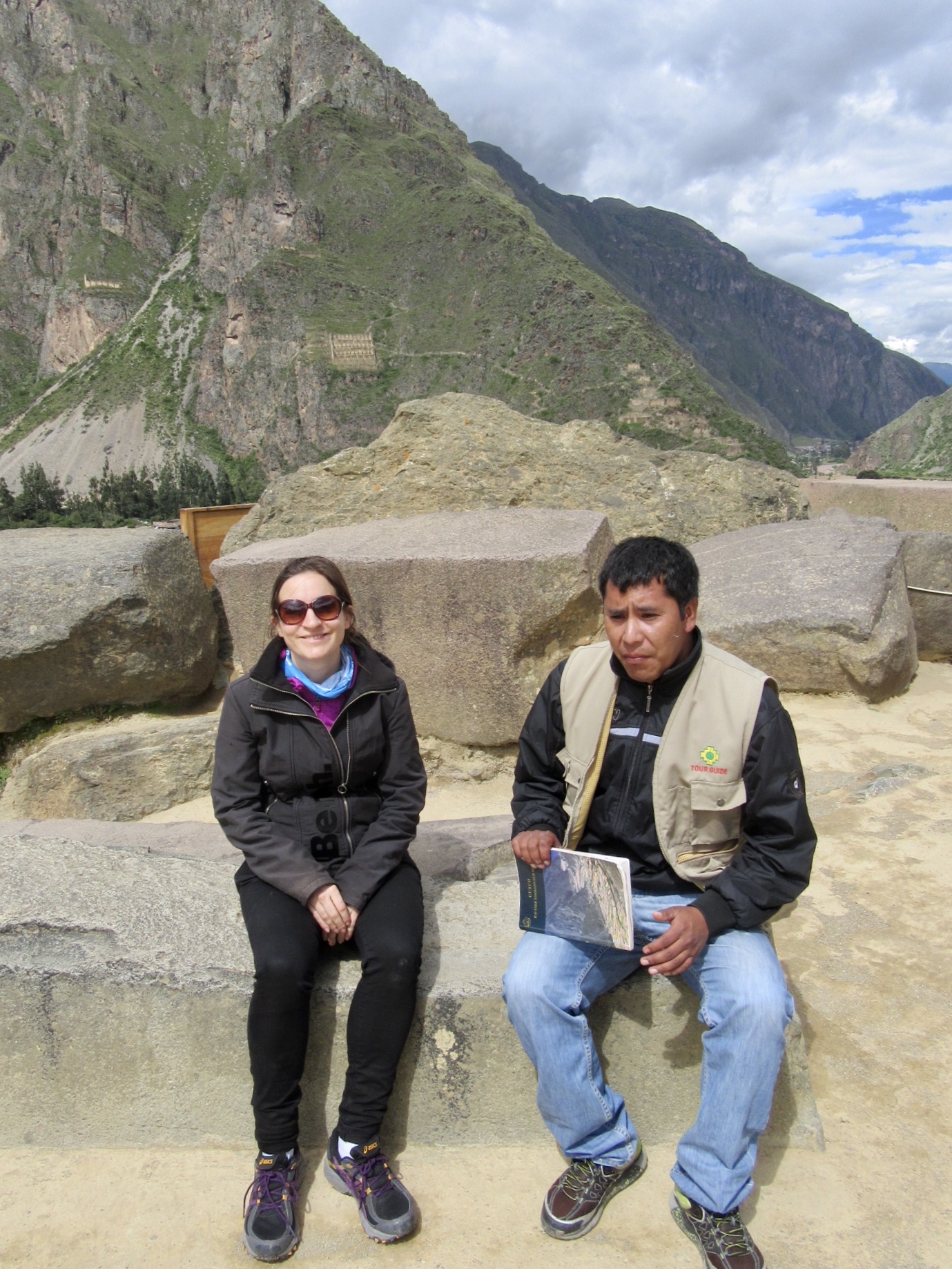
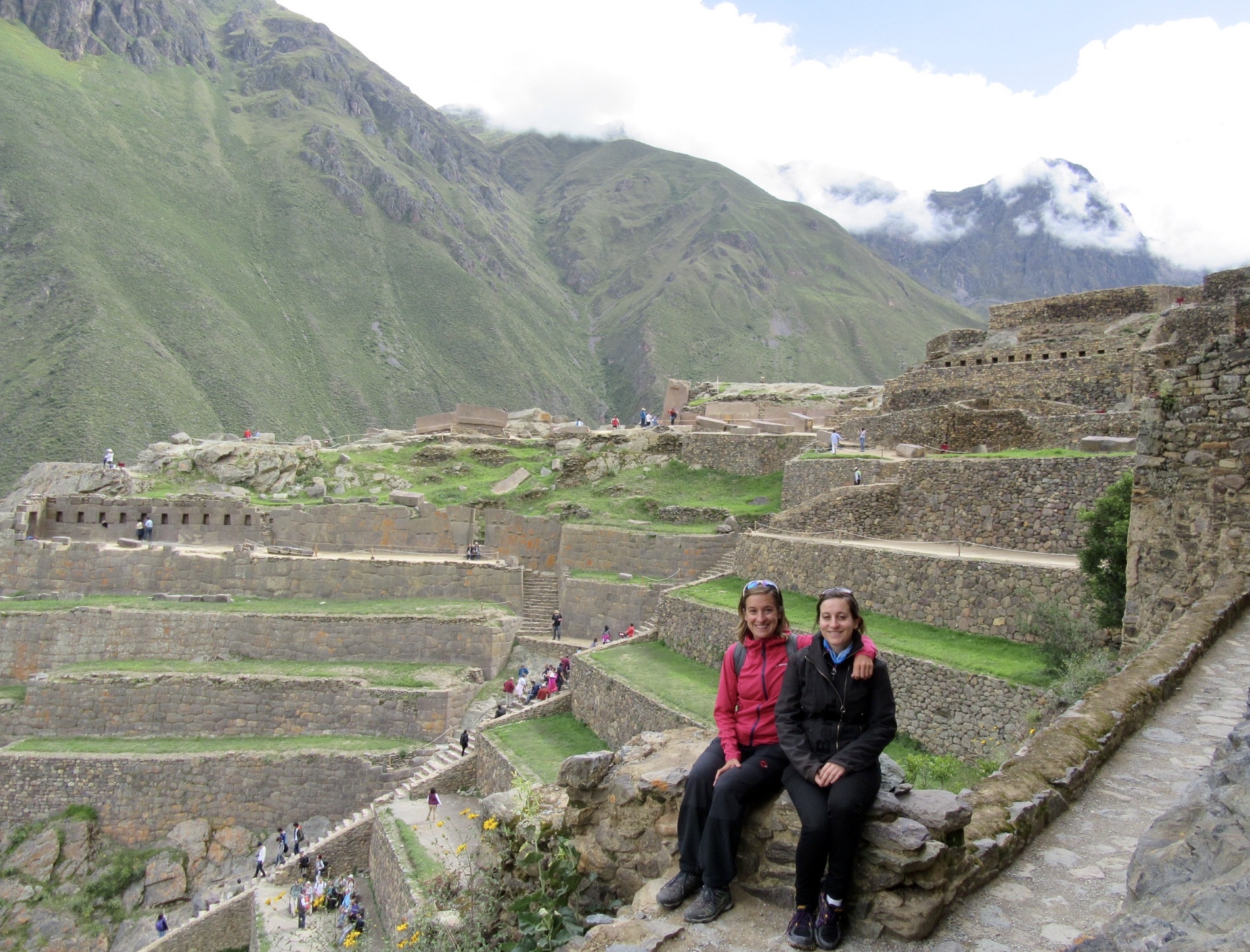
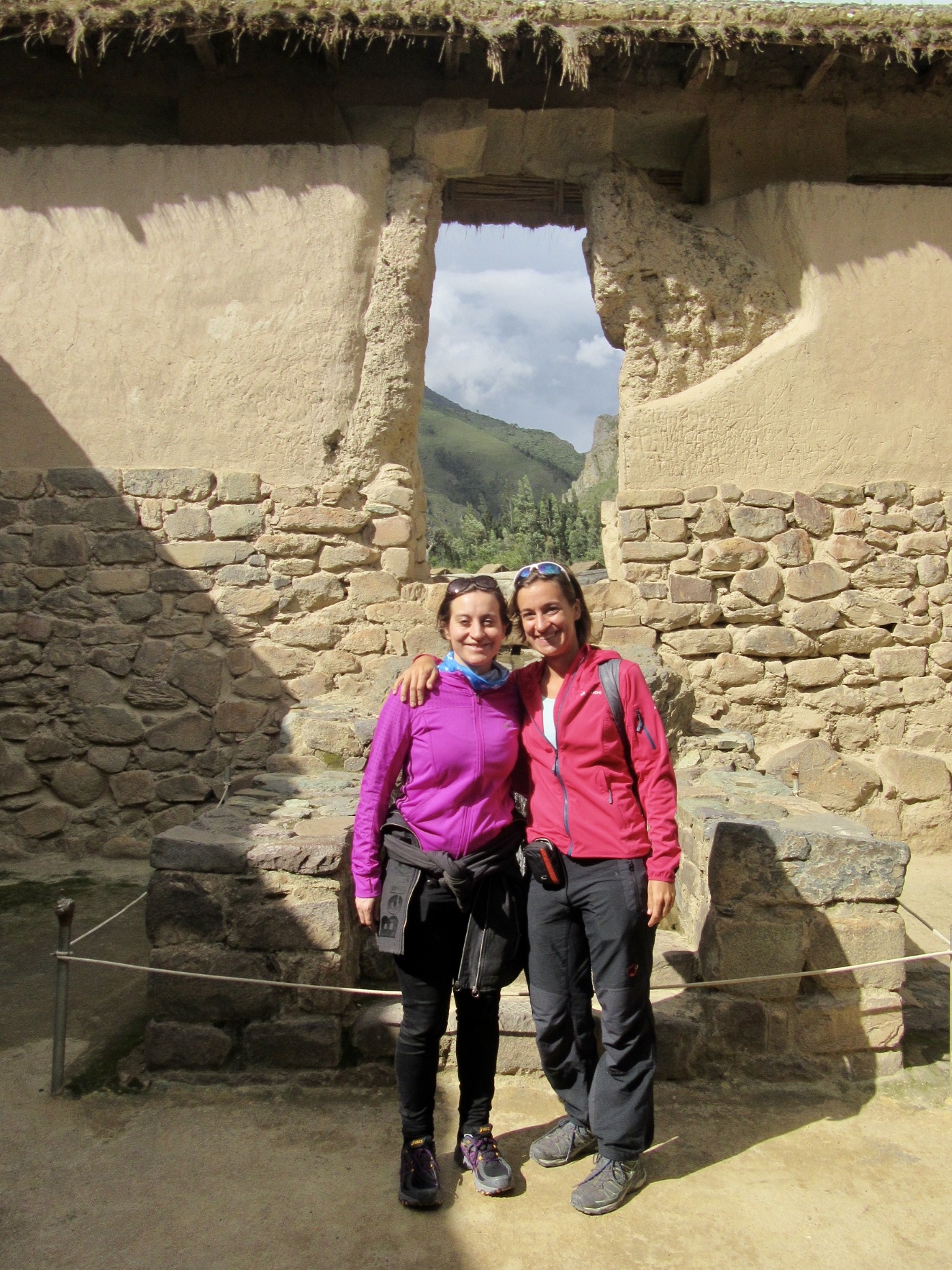
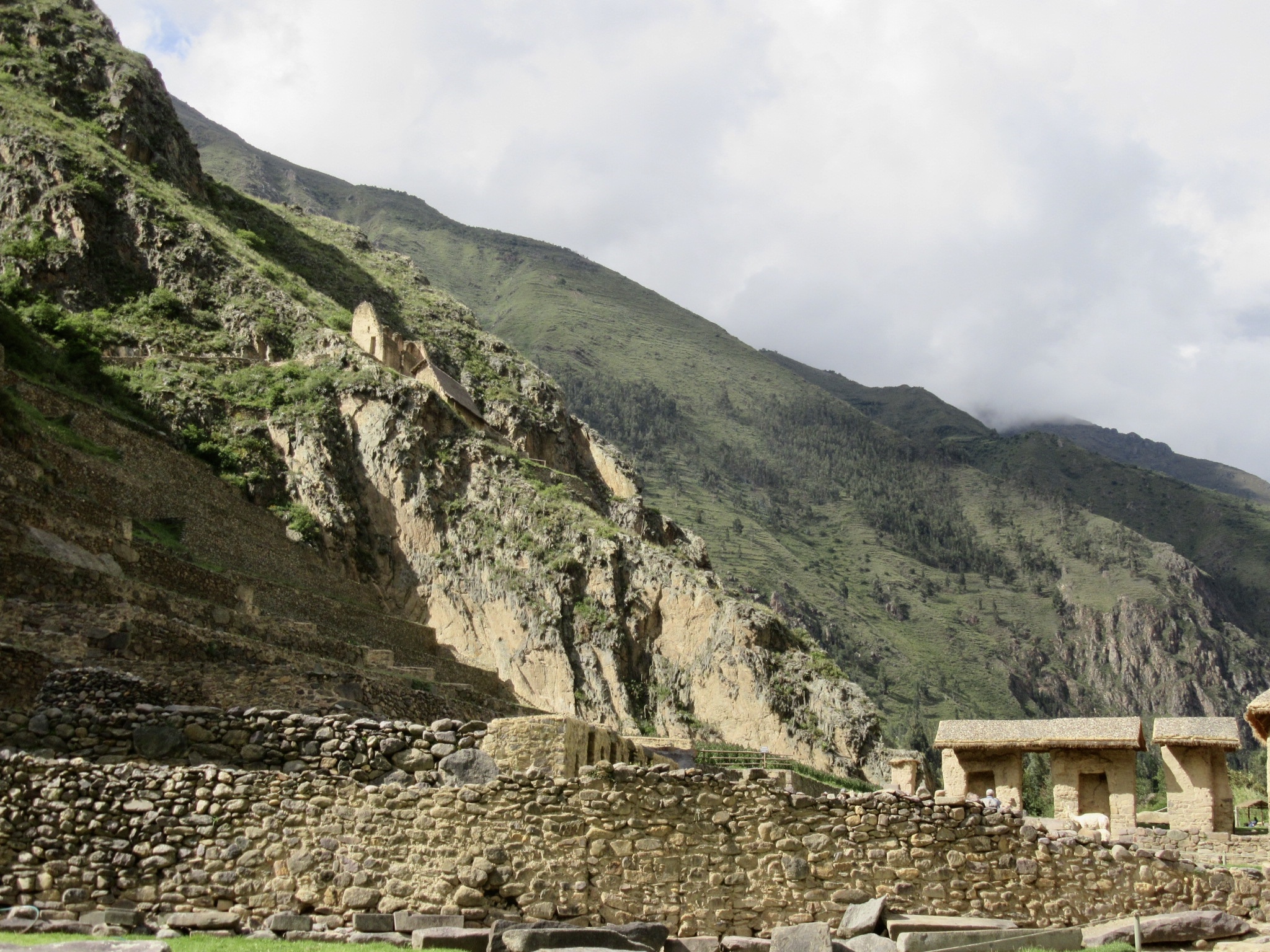
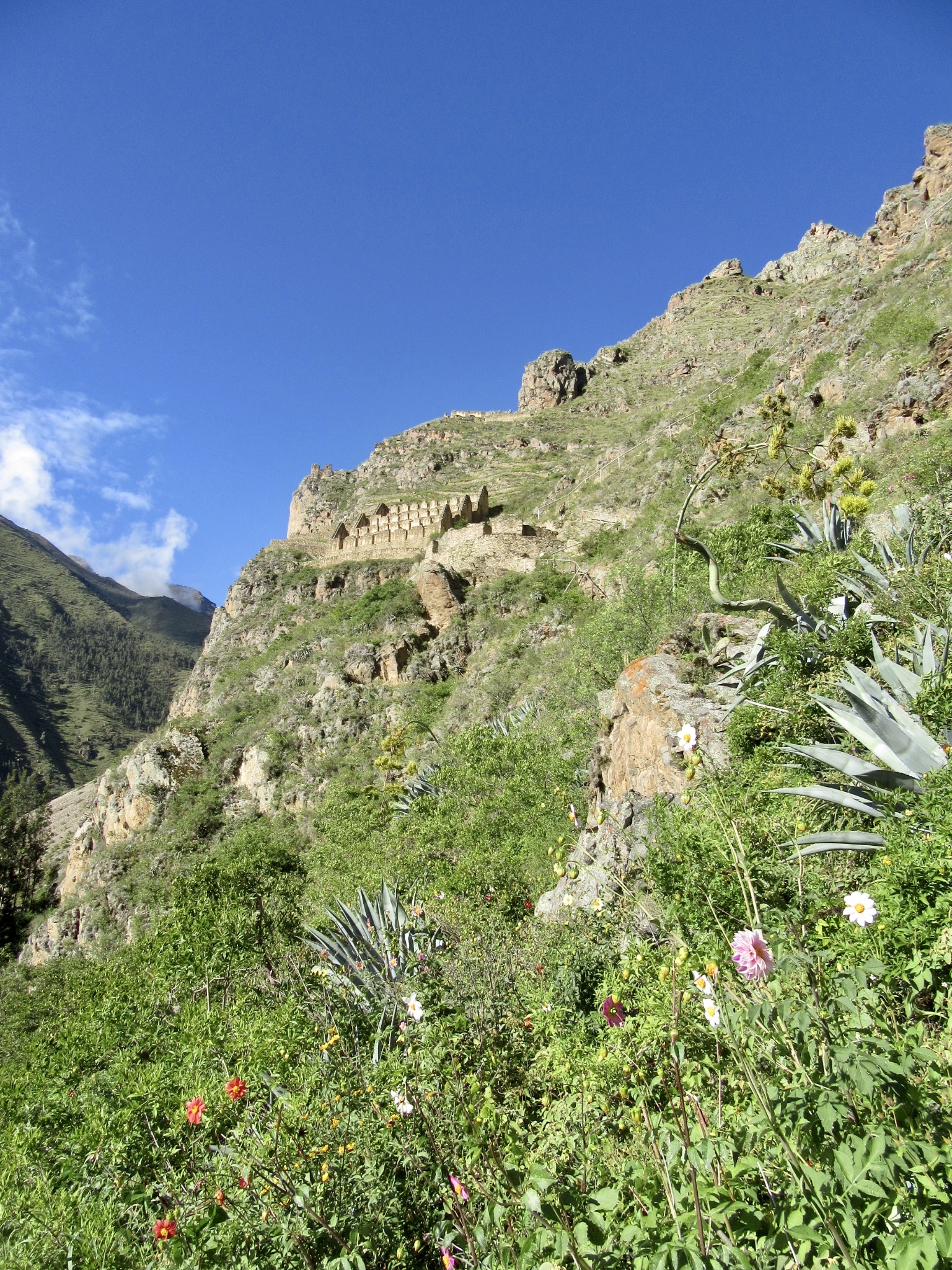
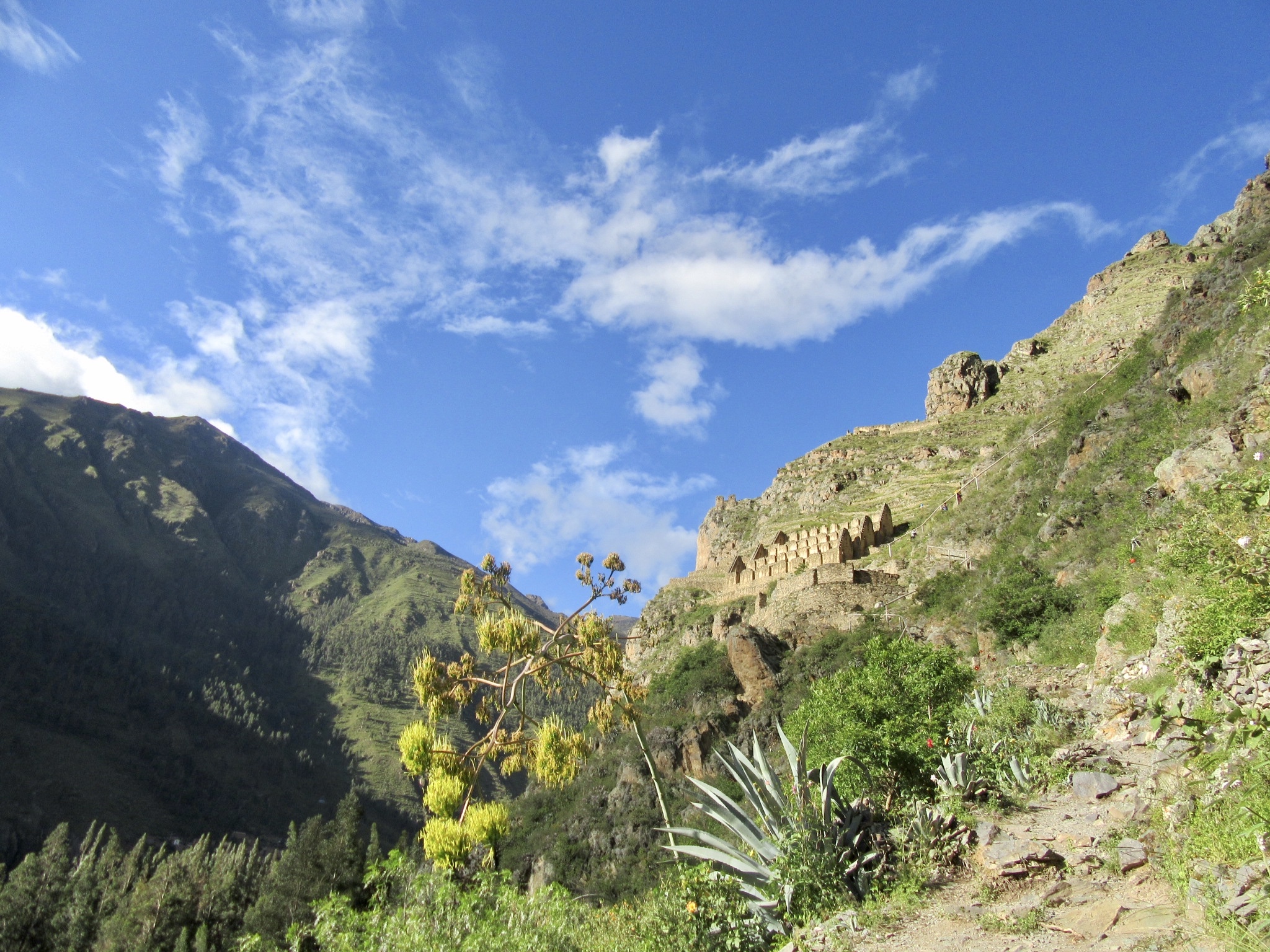
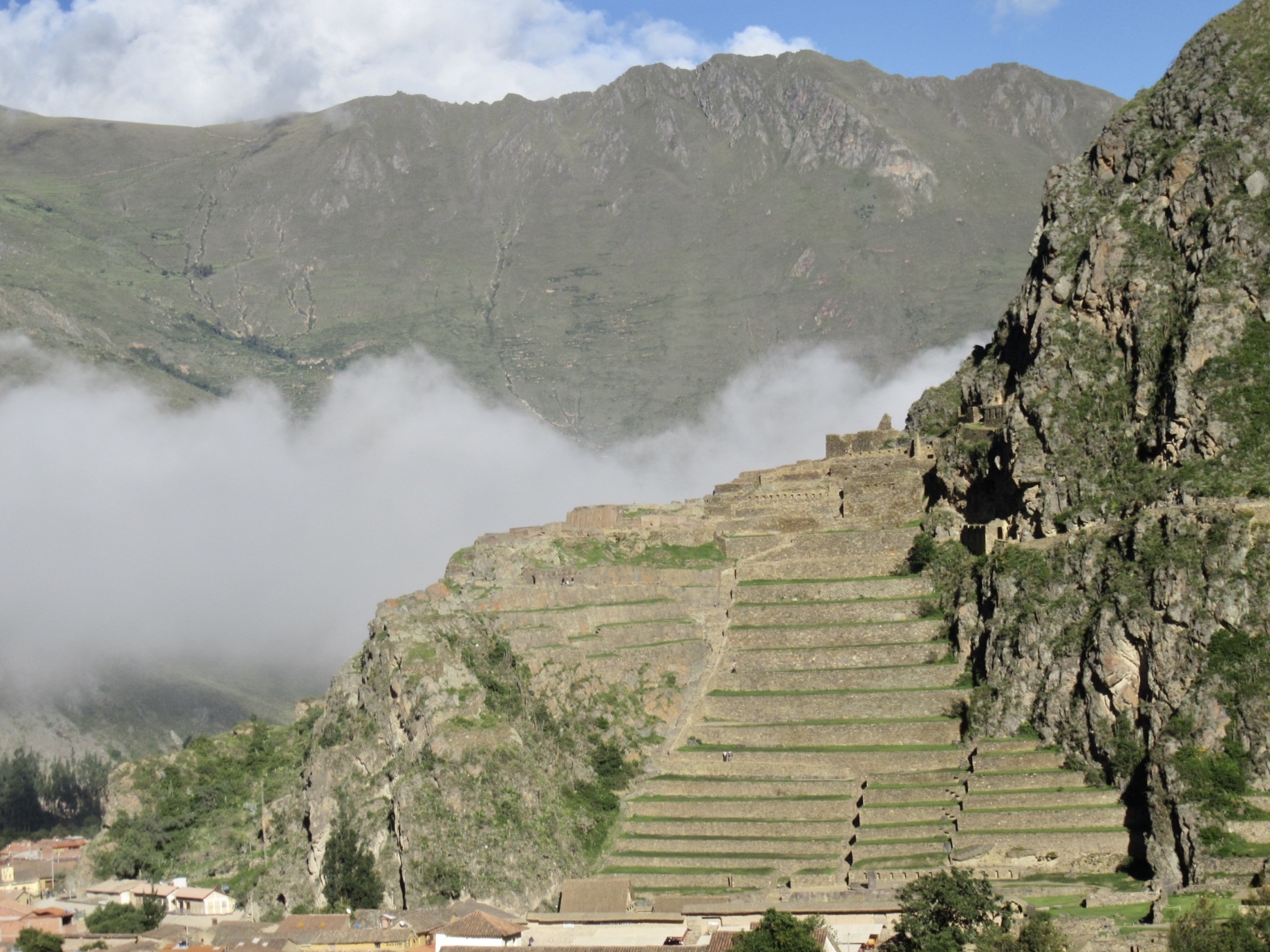
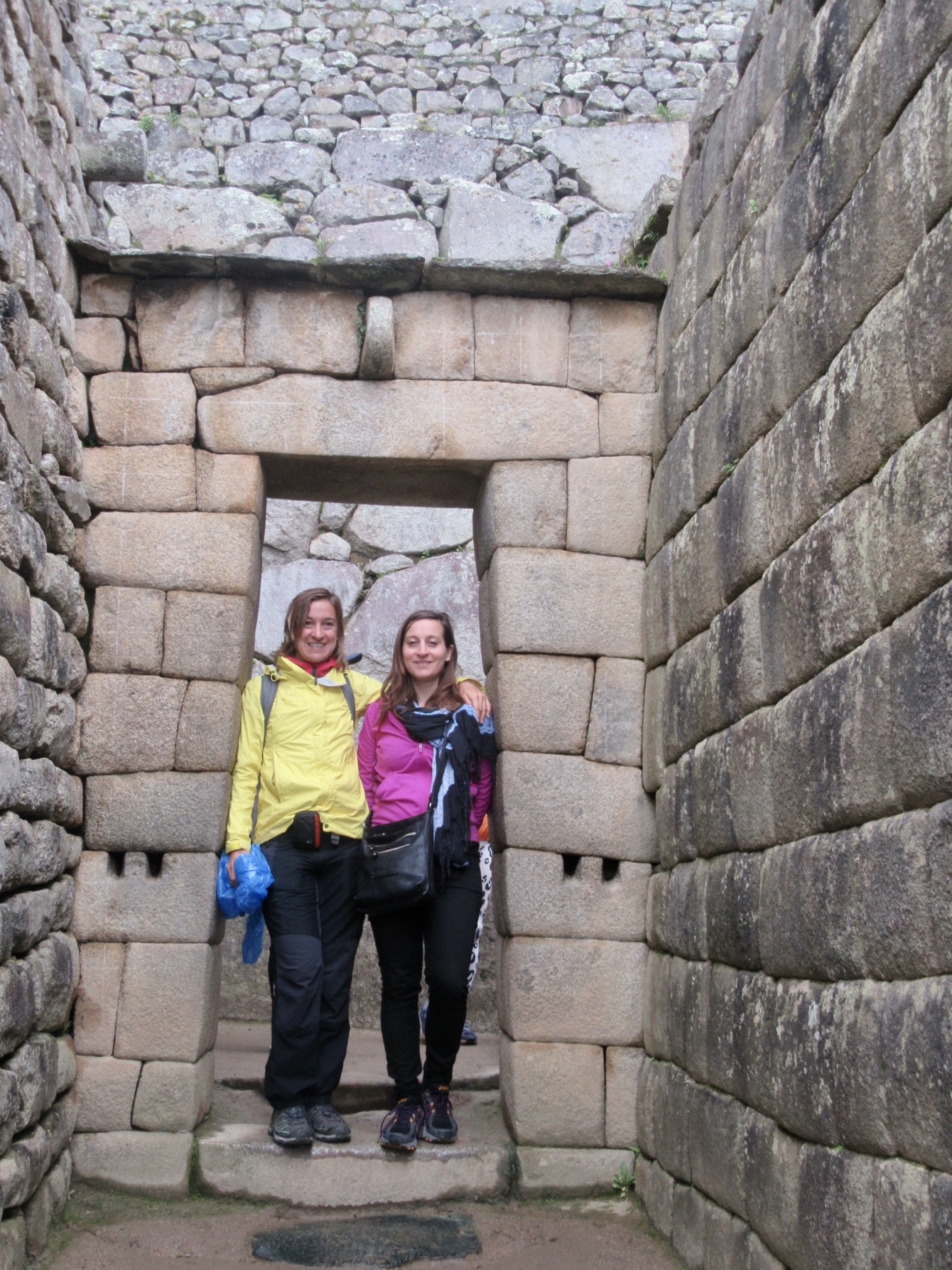
We had got a minivan from Cusco to Ollantaytambo, I think it took two to three hours, and arrived around lunchtime. We checked into our cute hotel, La Casa del Abuelo Riverside, which was nestled next to the mountain and the river, and headed to the ruins on the opposite mountain. We hired a great private guide, who took us around the whole site and made the place come alive with its rich history. Still after all this time, I need to consult Wikipedia to offer some insights.
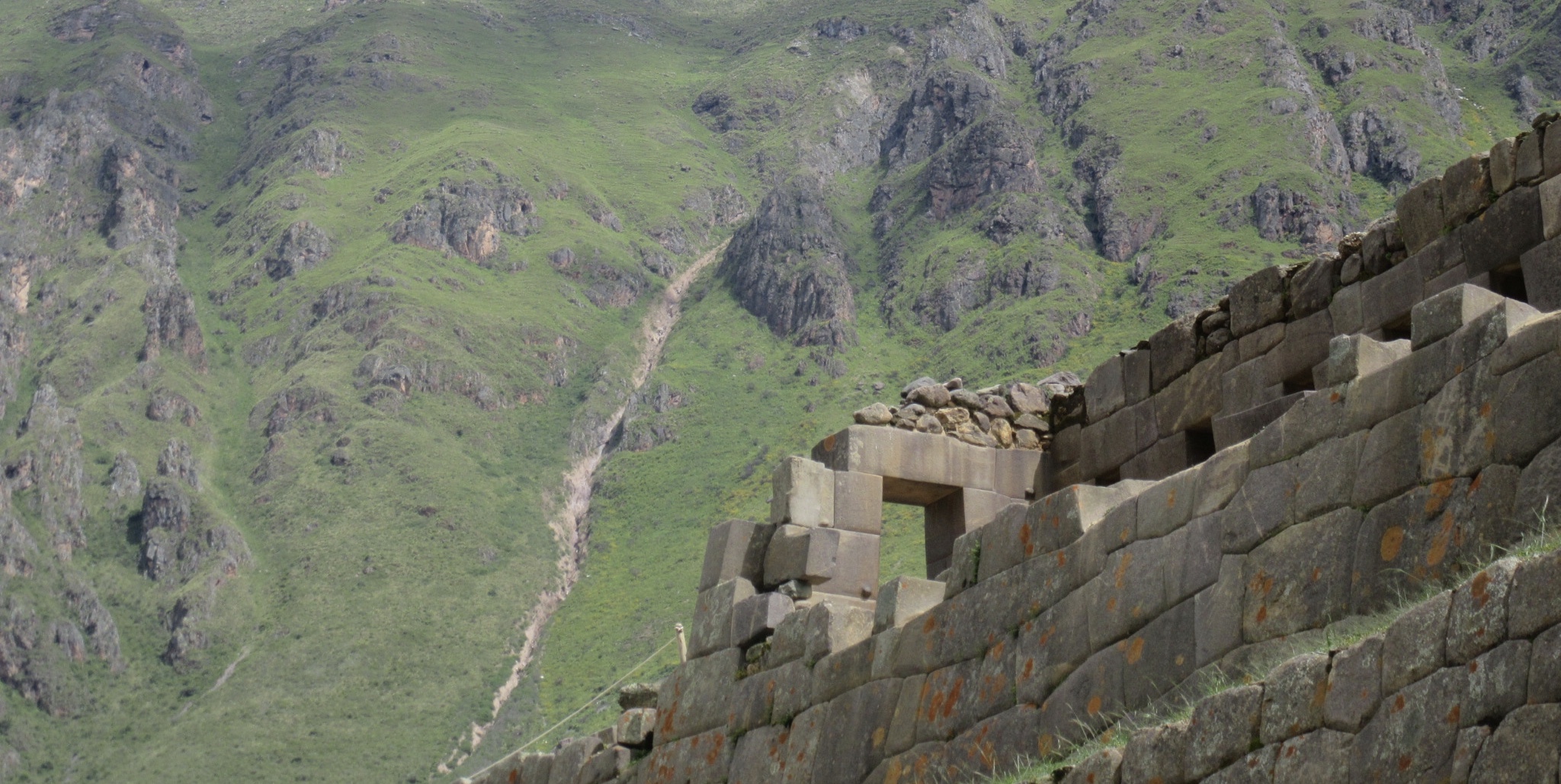
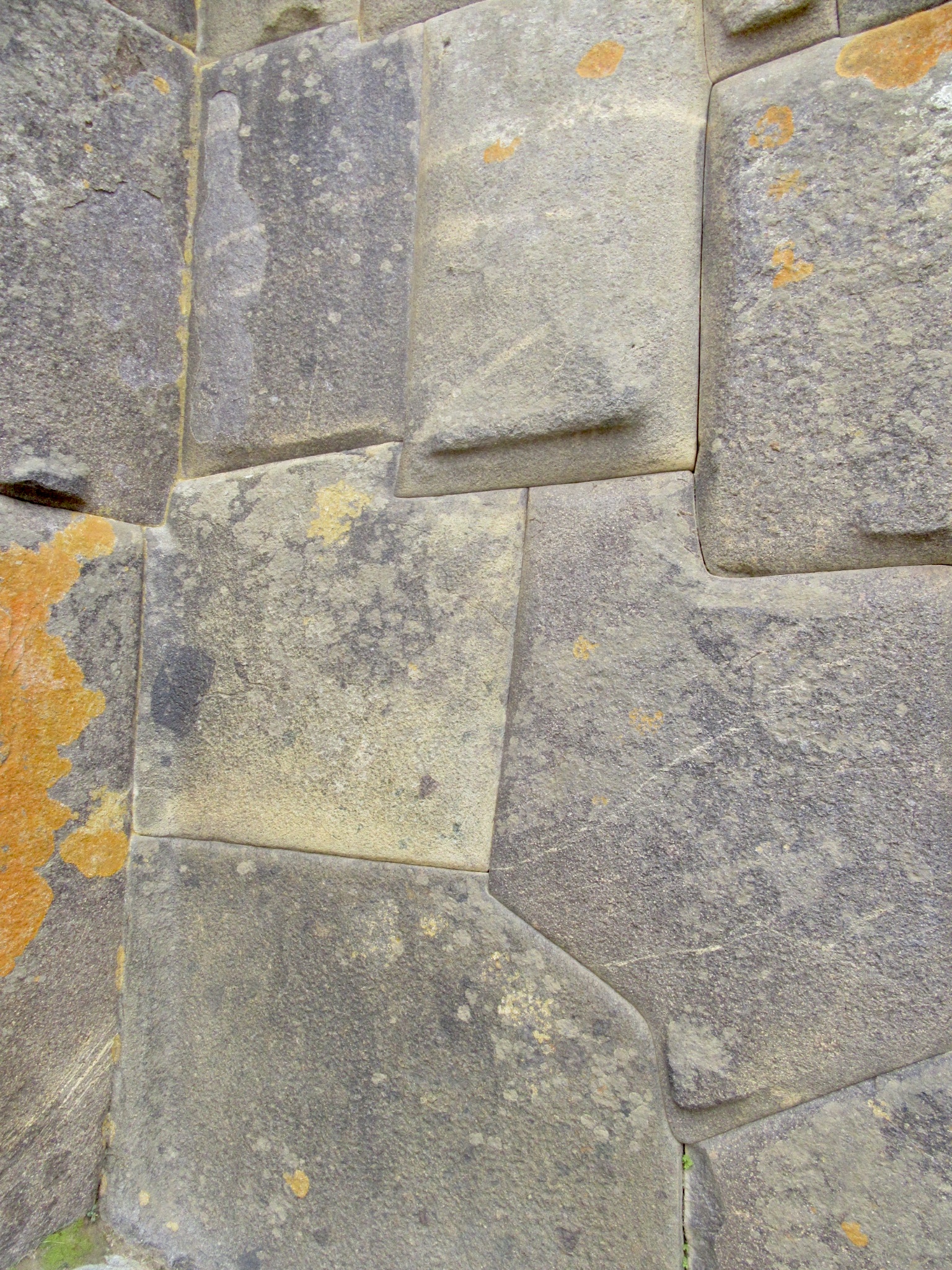
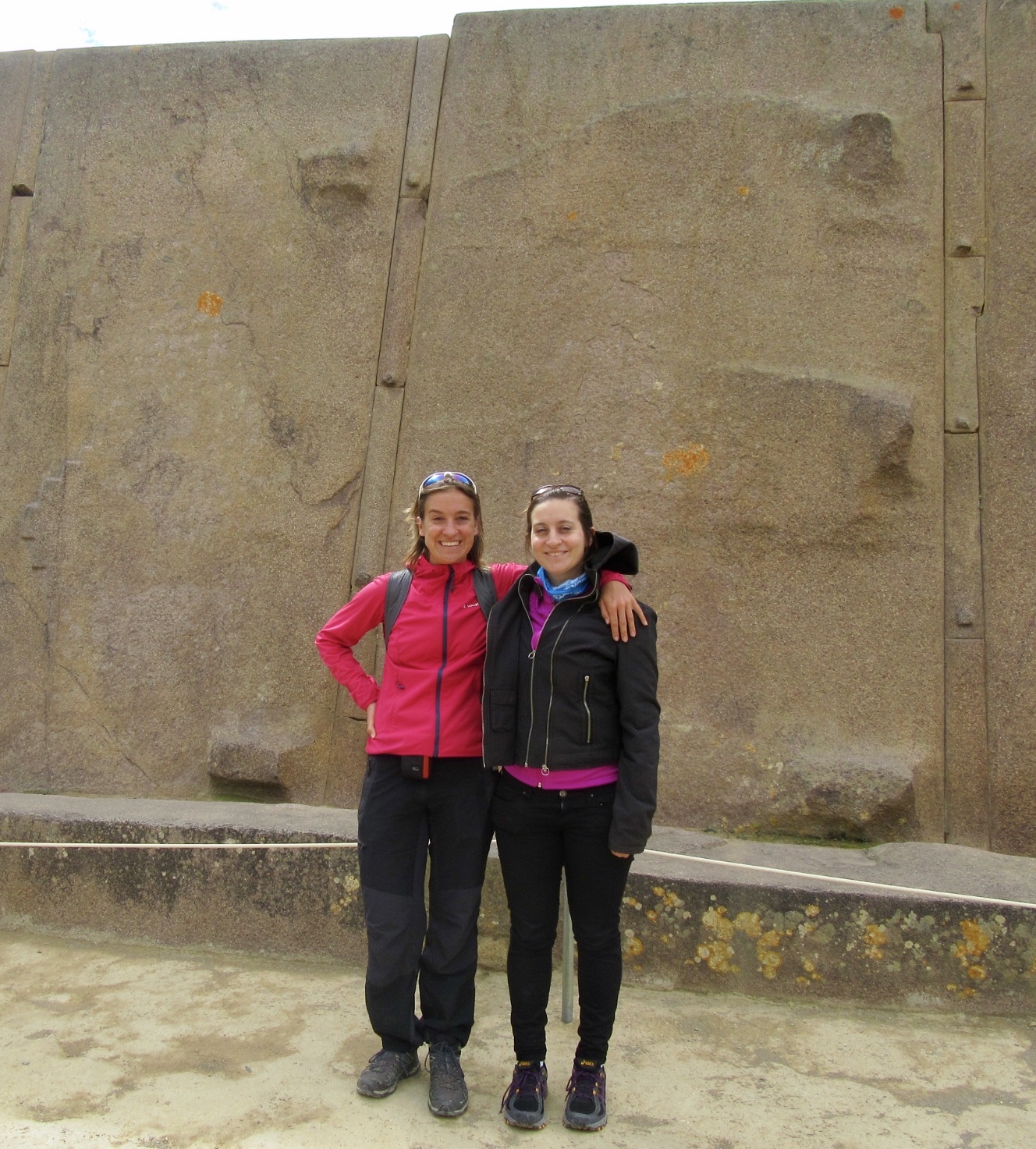
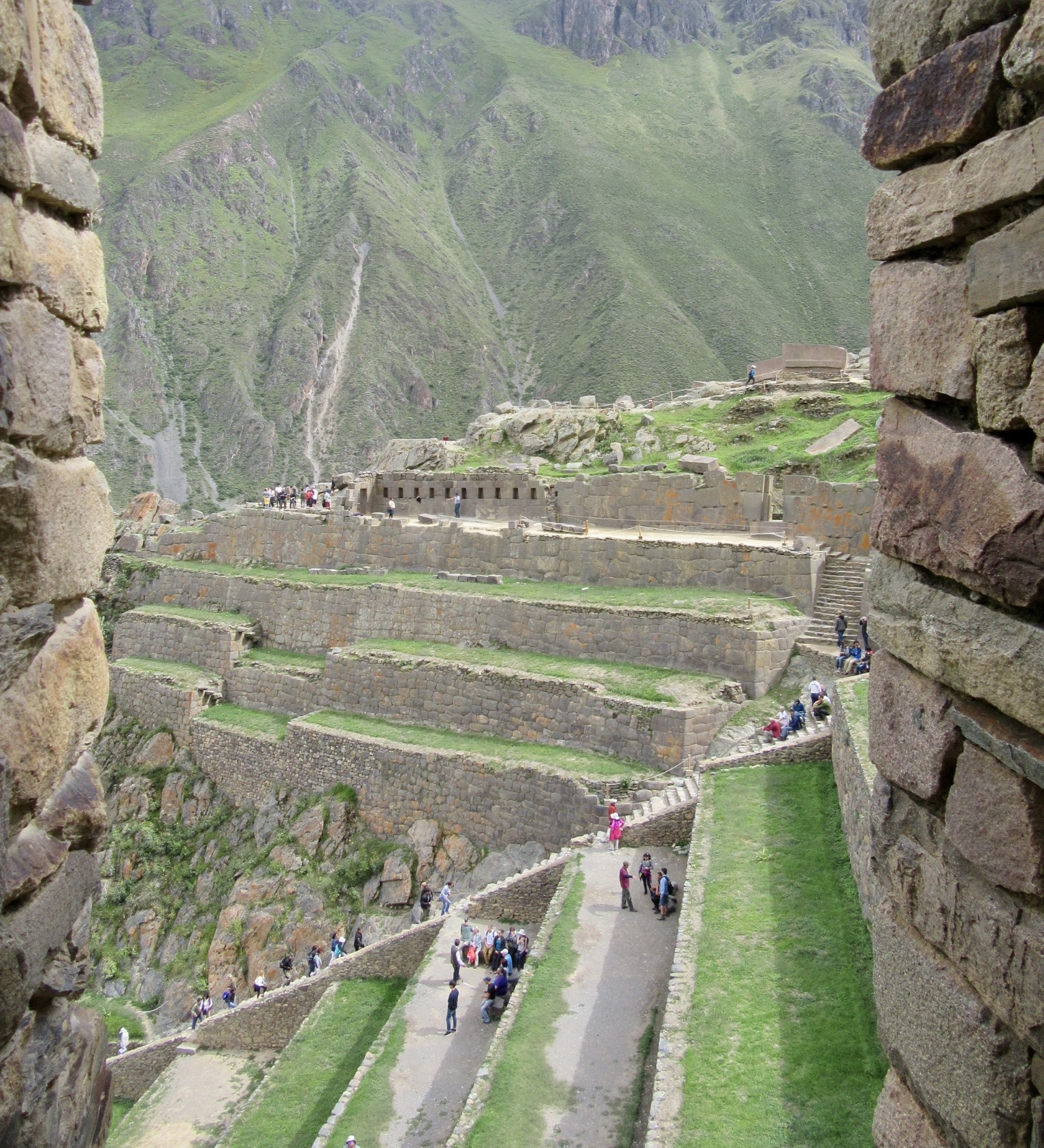
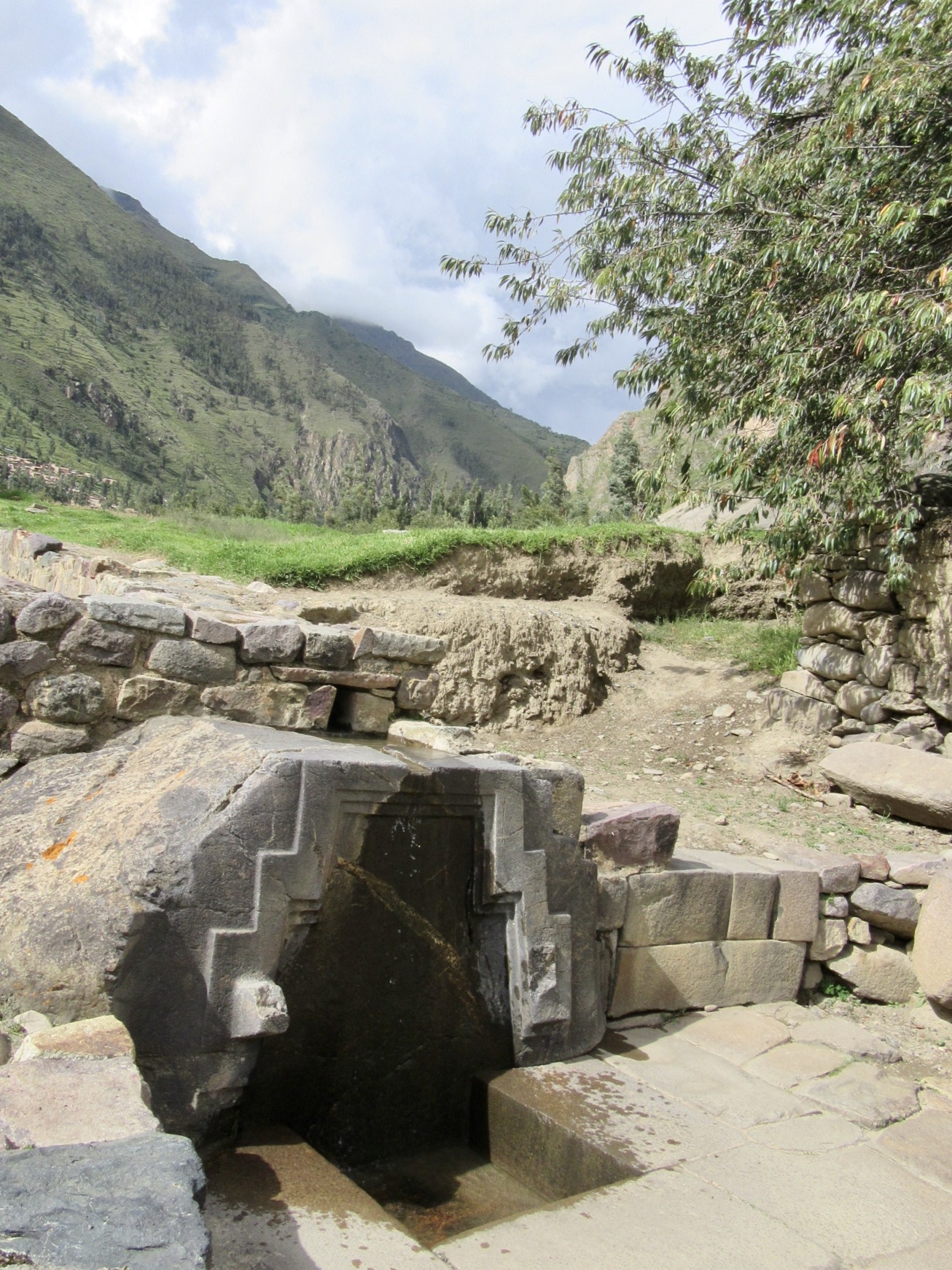
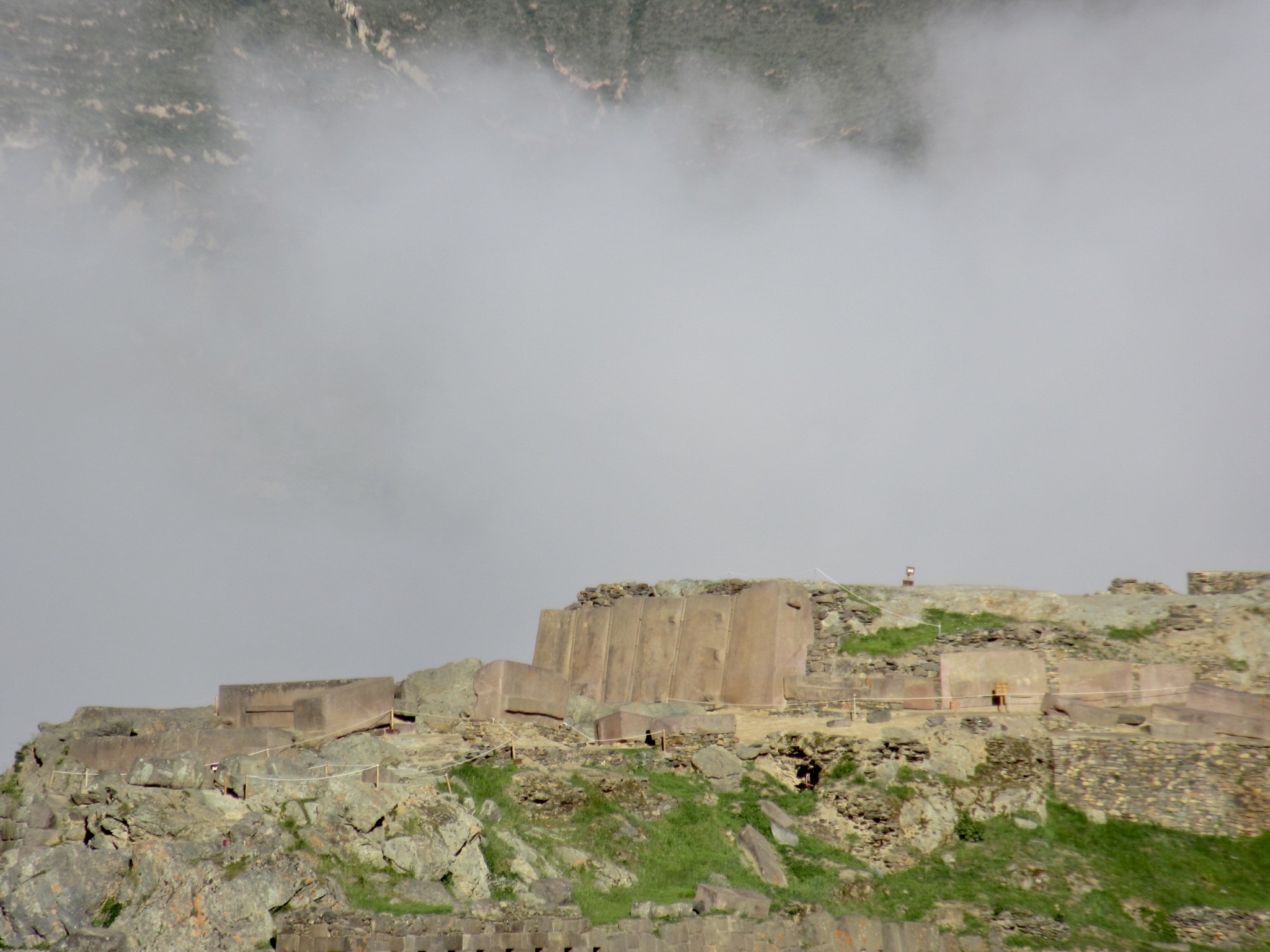
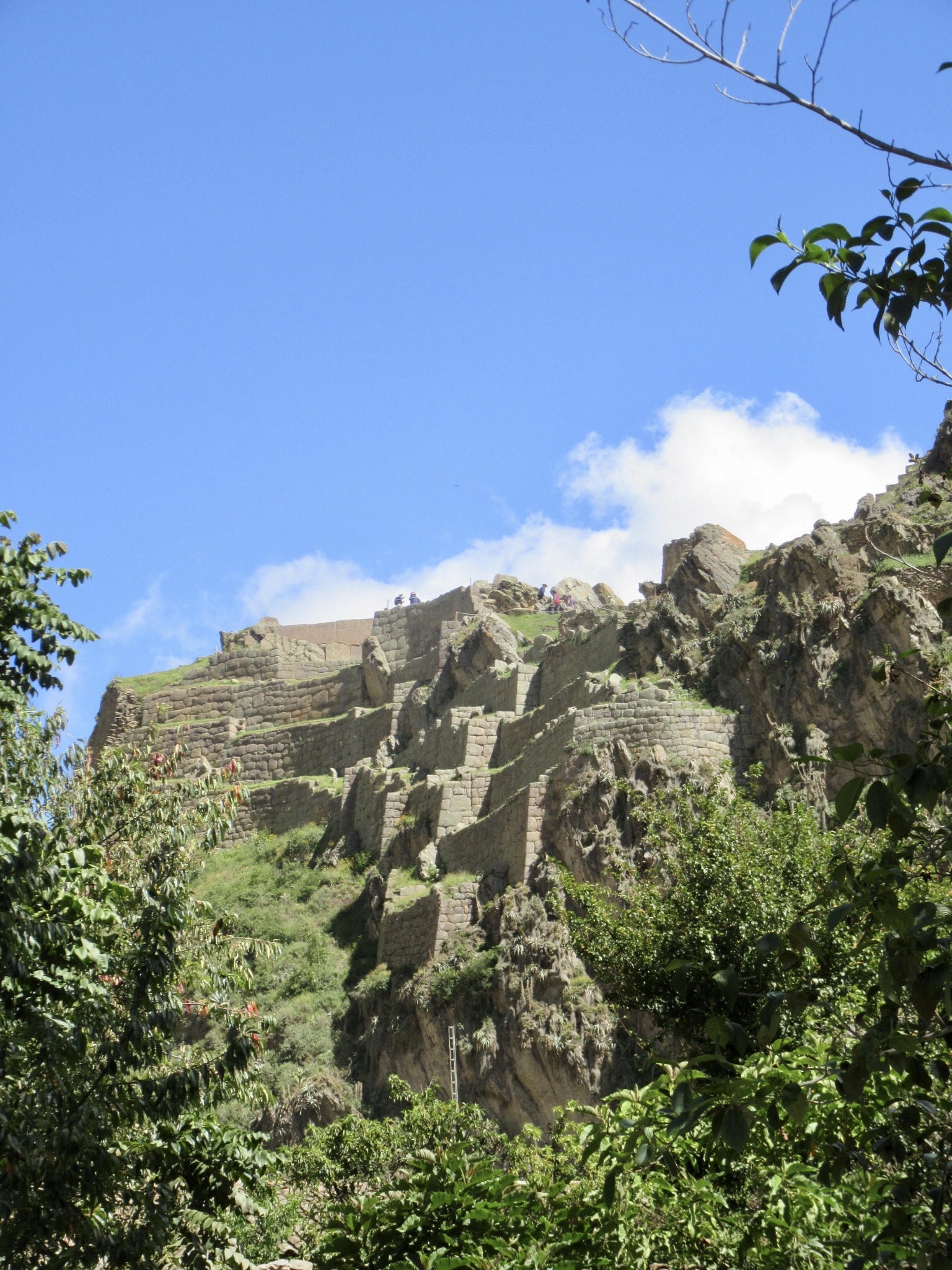
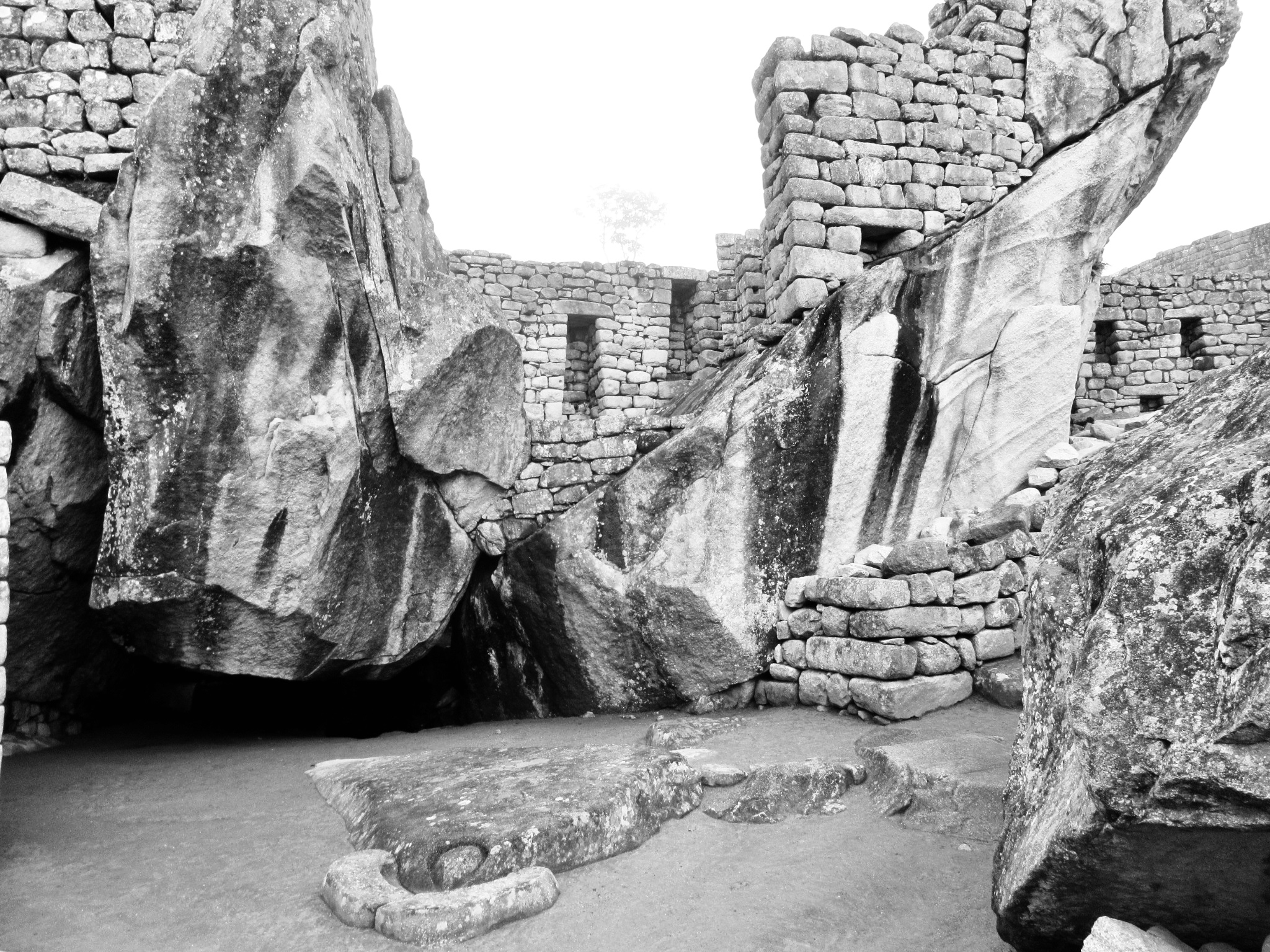
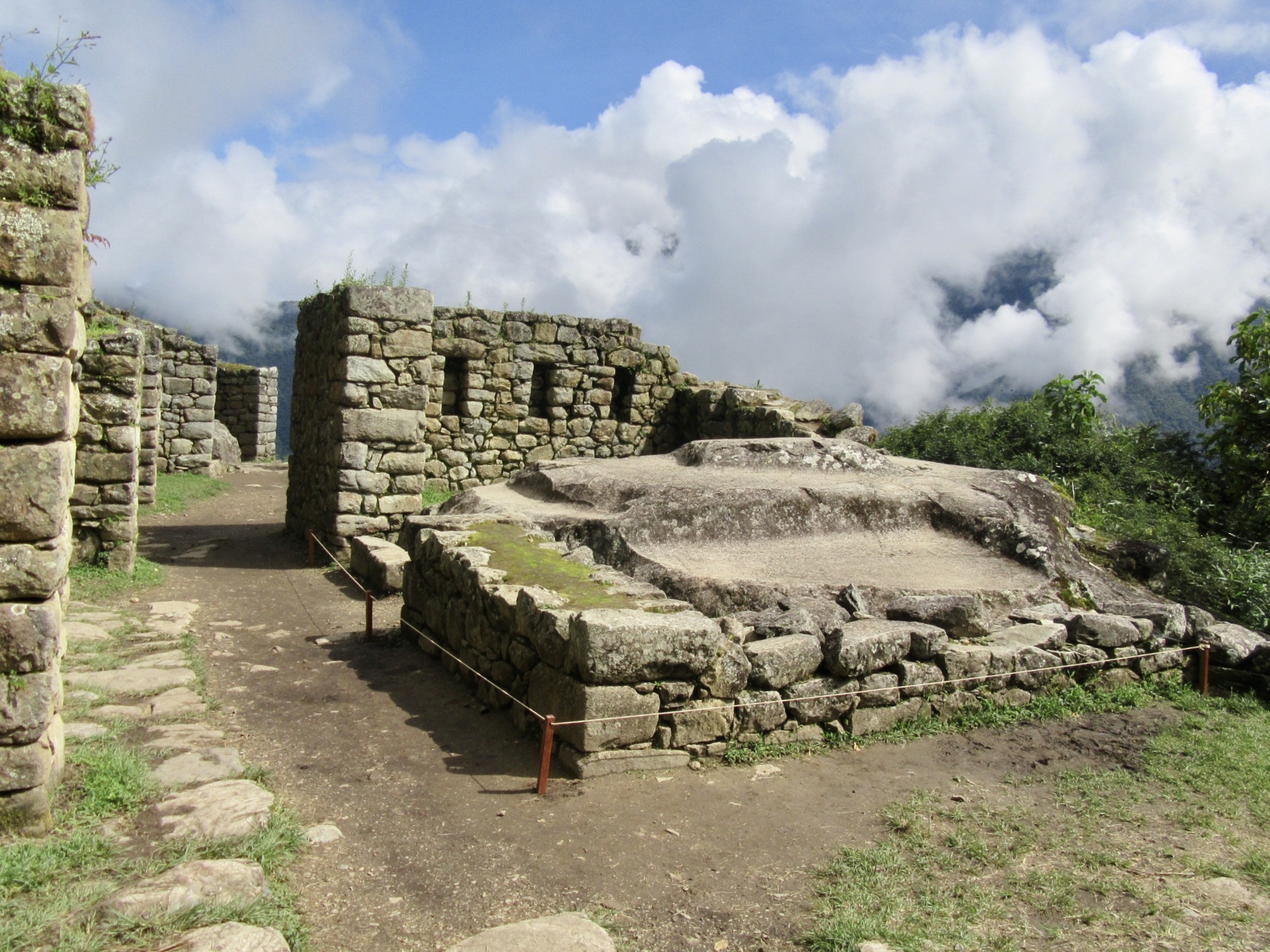
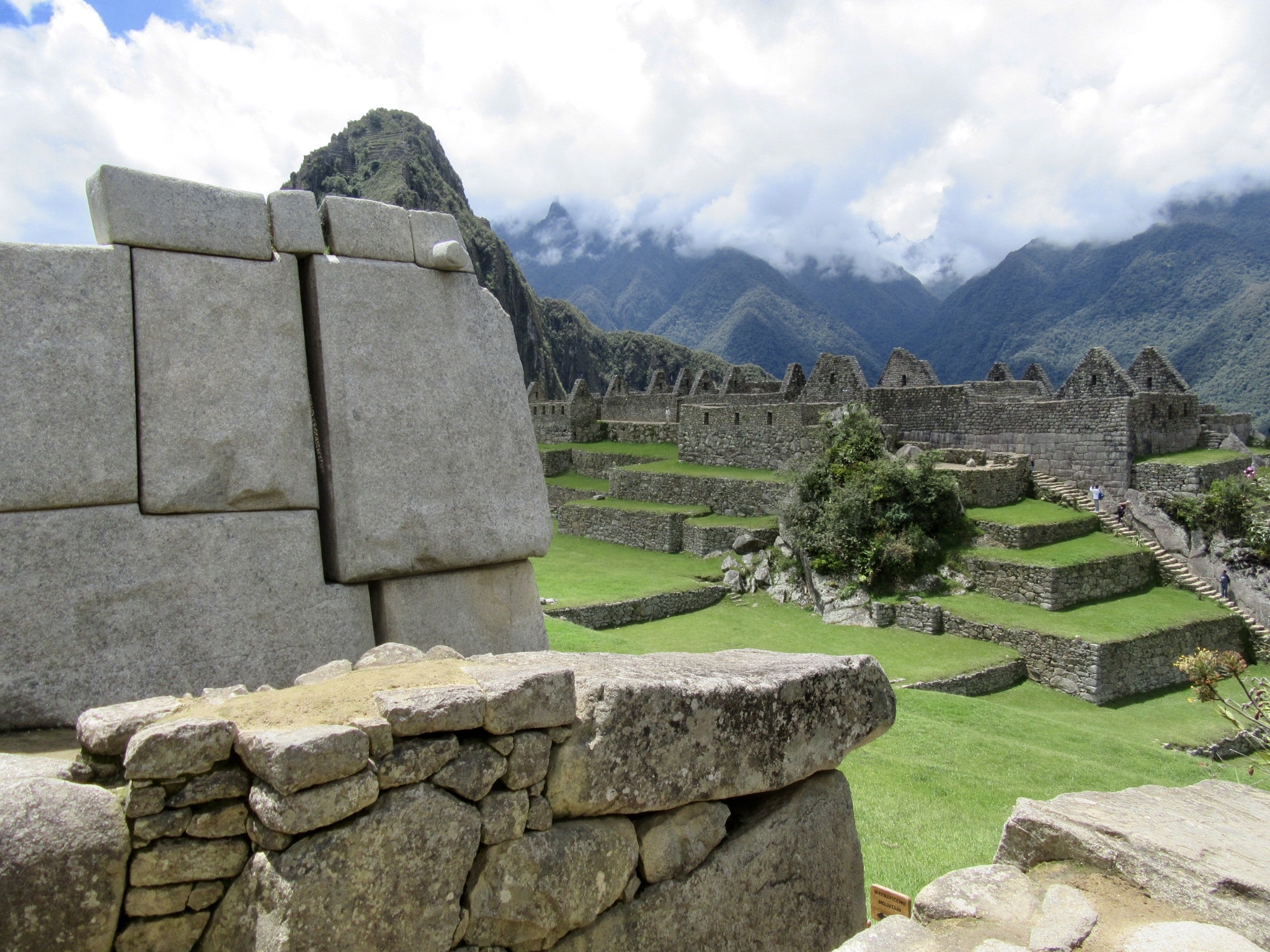
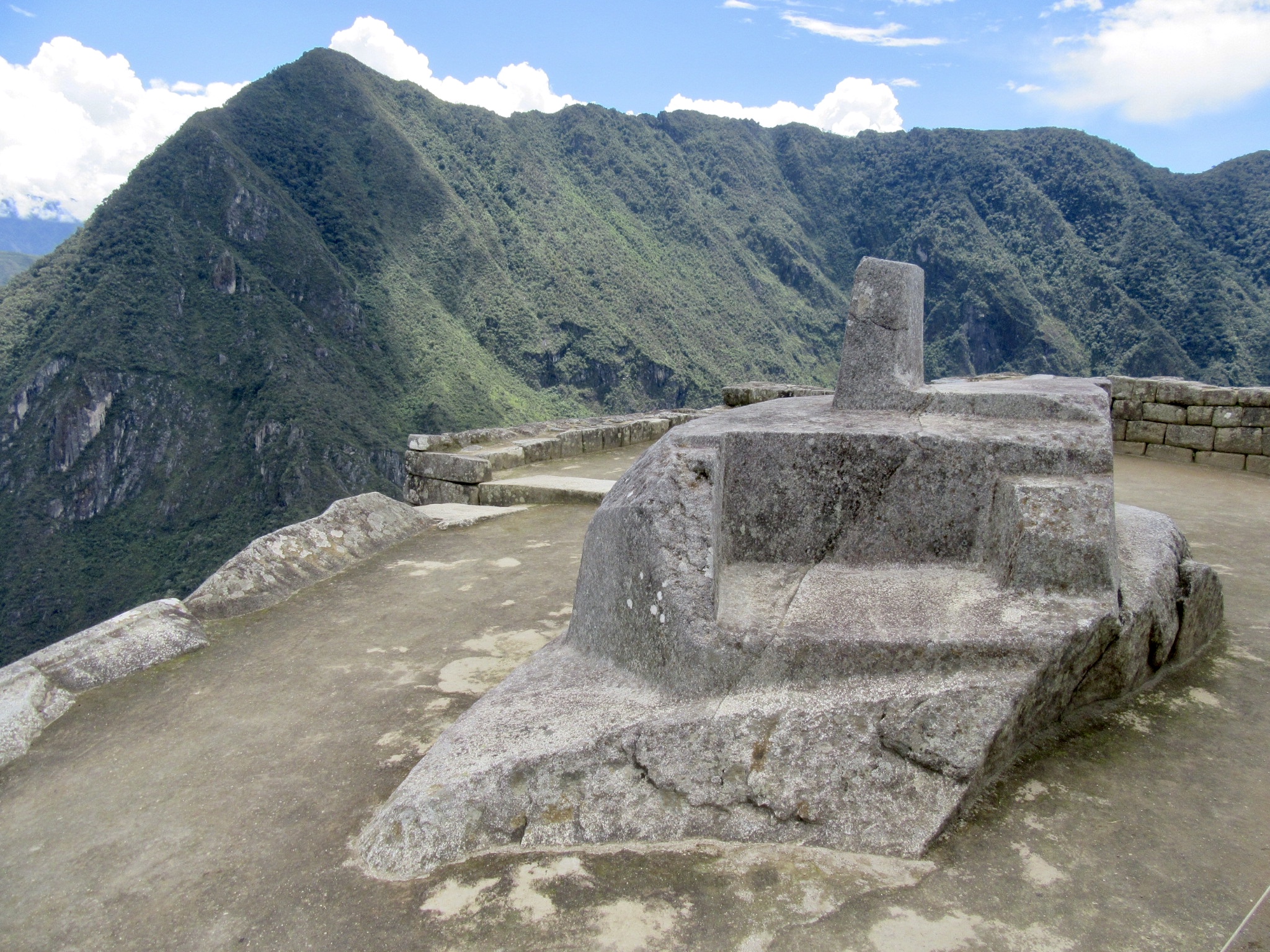
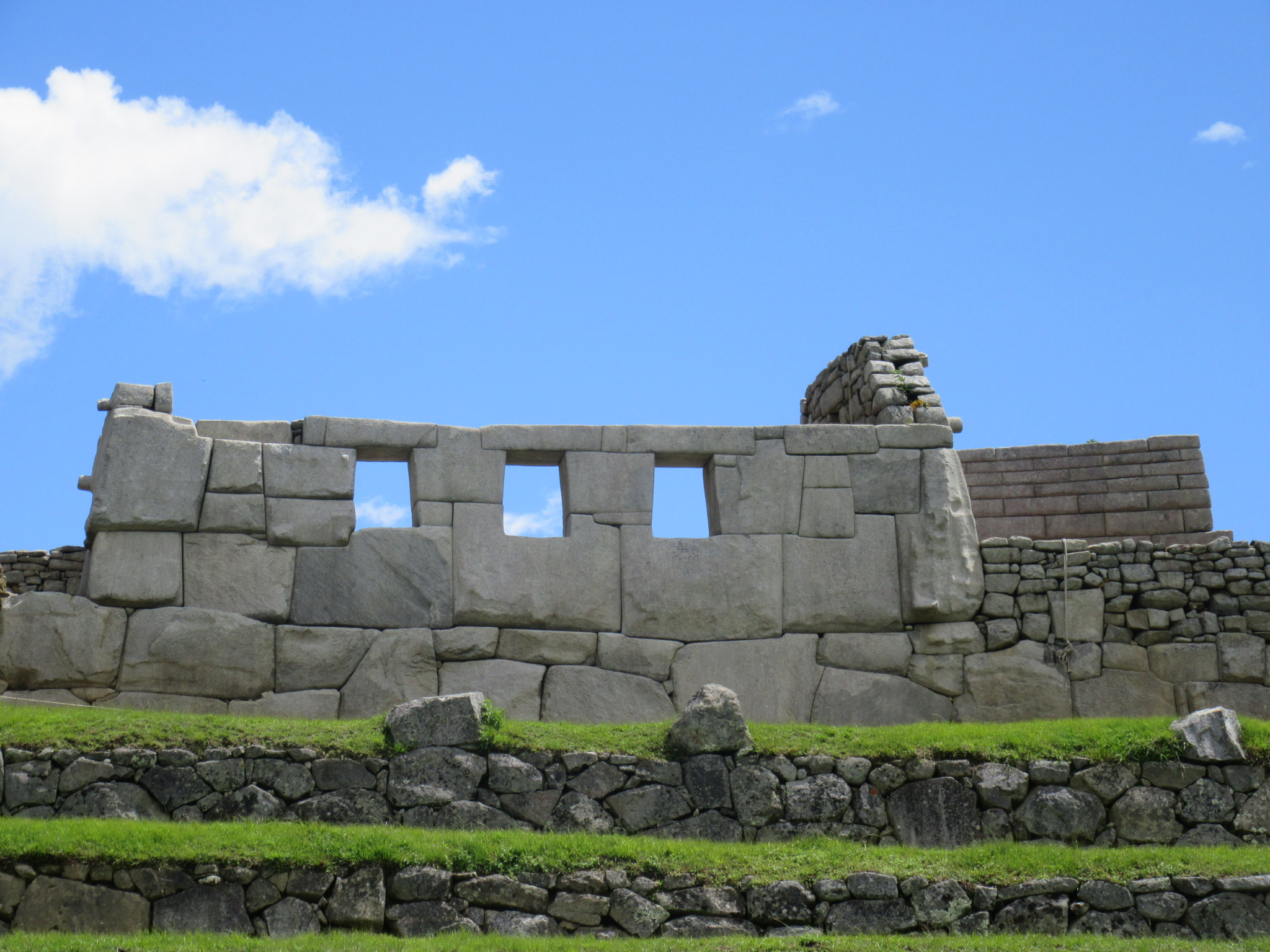
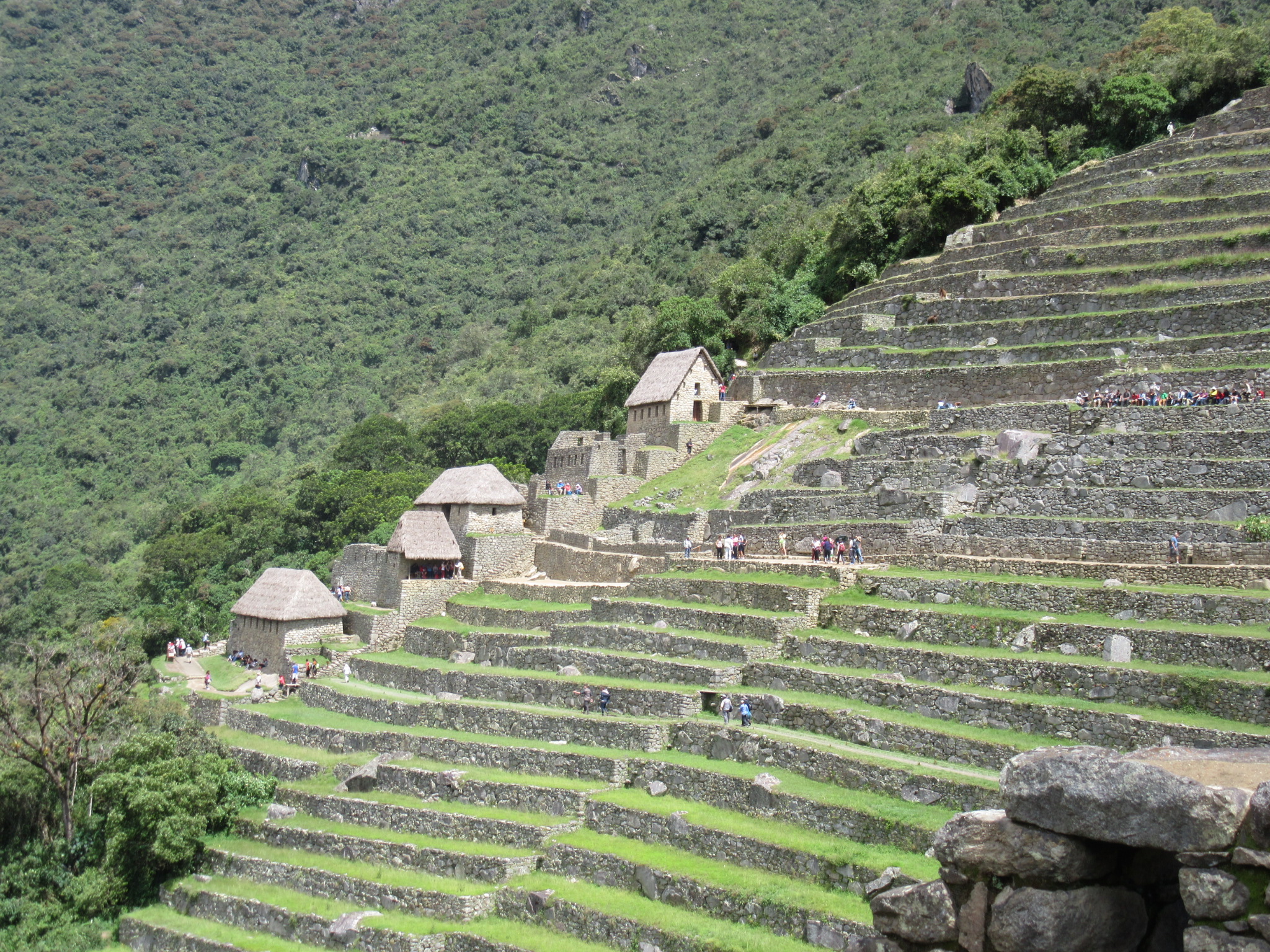
The archaeological site is called the Temple Hill and was rebuilt in the 15th century by an Inca who conquered the area. He had the terraces constructed for agricultural purposes. On top of the hill is the Sun Temple with its large stone blocks called Piedras Cansadas (tired stones), each weighing about 50 tons. They came from a nearby quarry. It is impressive how the Incas managed to transport the stones up the steep hill, especially since they did not use wheels or large animals. The temple also has a sort of sun dial, which would tell the Incas summer and winter solstice. At the base of the ruins is a ceremonial area with baths and fountains.
The site was one of the last battles between the Incas and the Conquistadors and one of the very few that the Incas won. They managed to hold back the Spanish by fighting from the terraces and outnumbering them in the plains of the valley. However, the Inca in charge of the resistance, Inca Manco, retreated to the jungle as he realised that the position was untenable. The conquistador Hernando Pizzaro took over a couple of years later.
In the evening, Lena and I had dinner in one of the local restaurants and walked home through the dark streets. As we approached a corner close to home, we saw a figure seated next to the wall. We were not clear if it was a puppet or a real person. We were both a bit scared, but had to pass it. It was an old woman in traditional dress and Indian features. She just starred at us very coldly as we walked by. A shiver ran down our spines and we were glad, when we entered our hotel. We quickly drew the curtains in our room because we both feared that the woman would be standing down below in the street, looking up and cursing us.
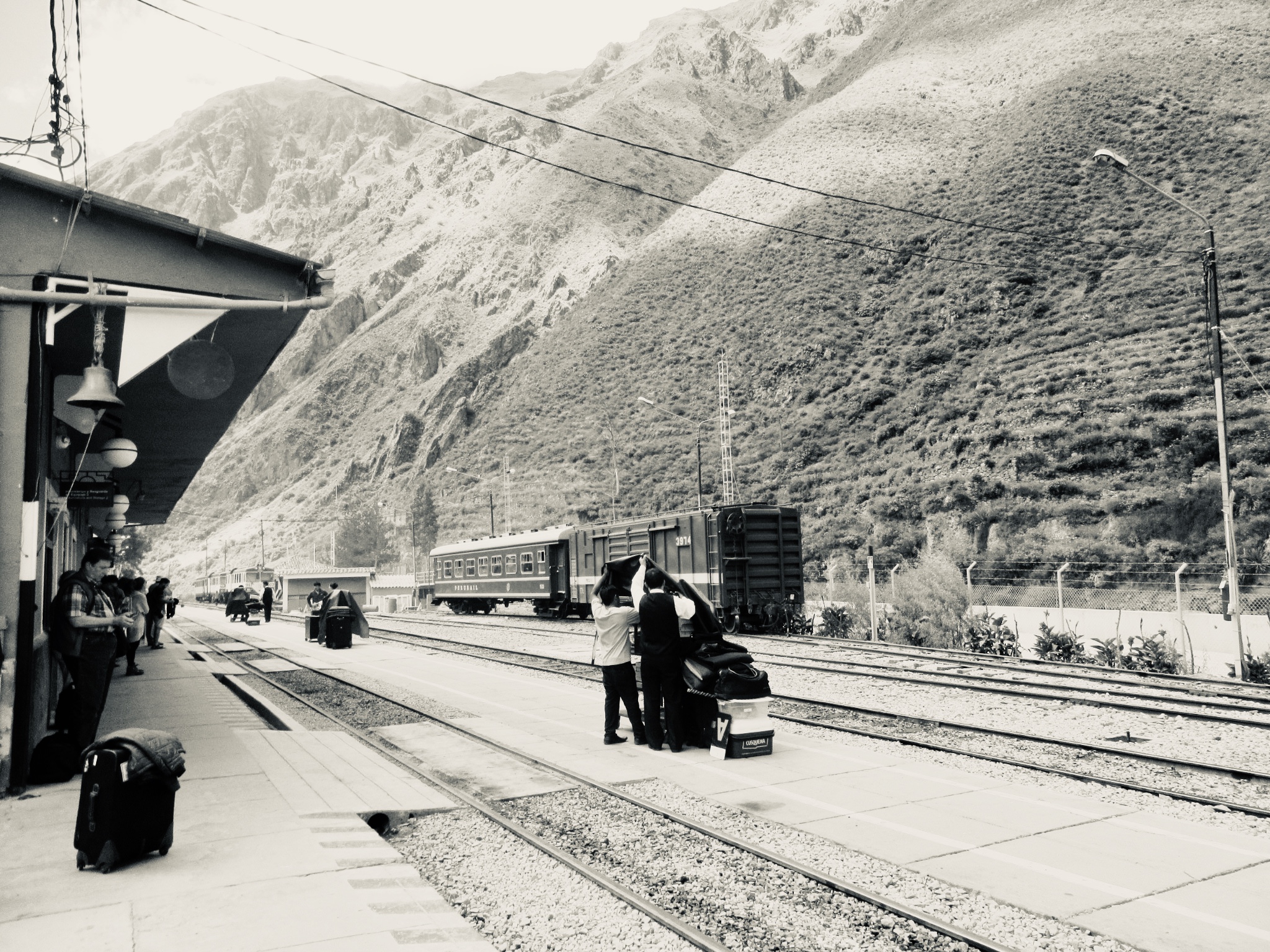
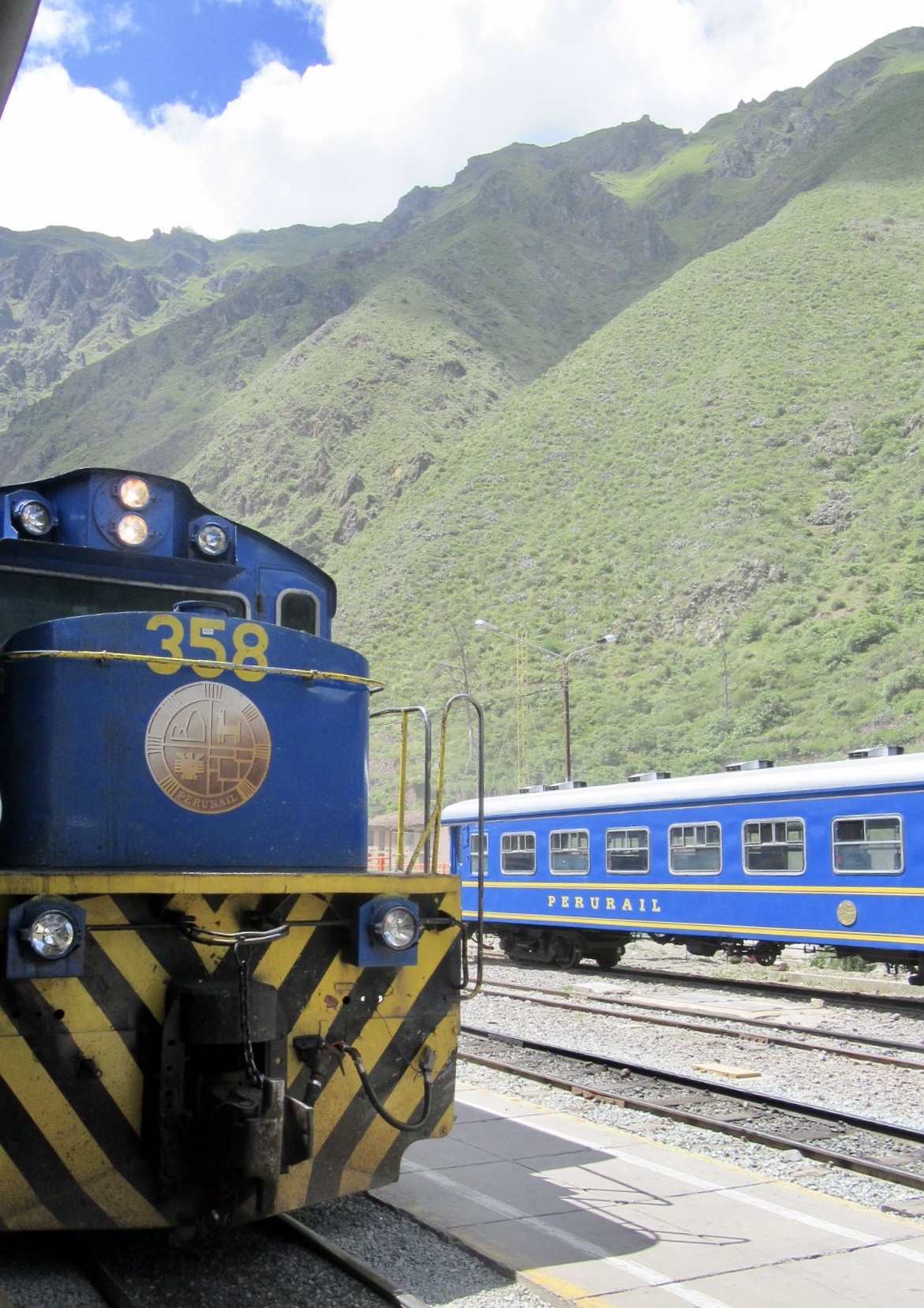
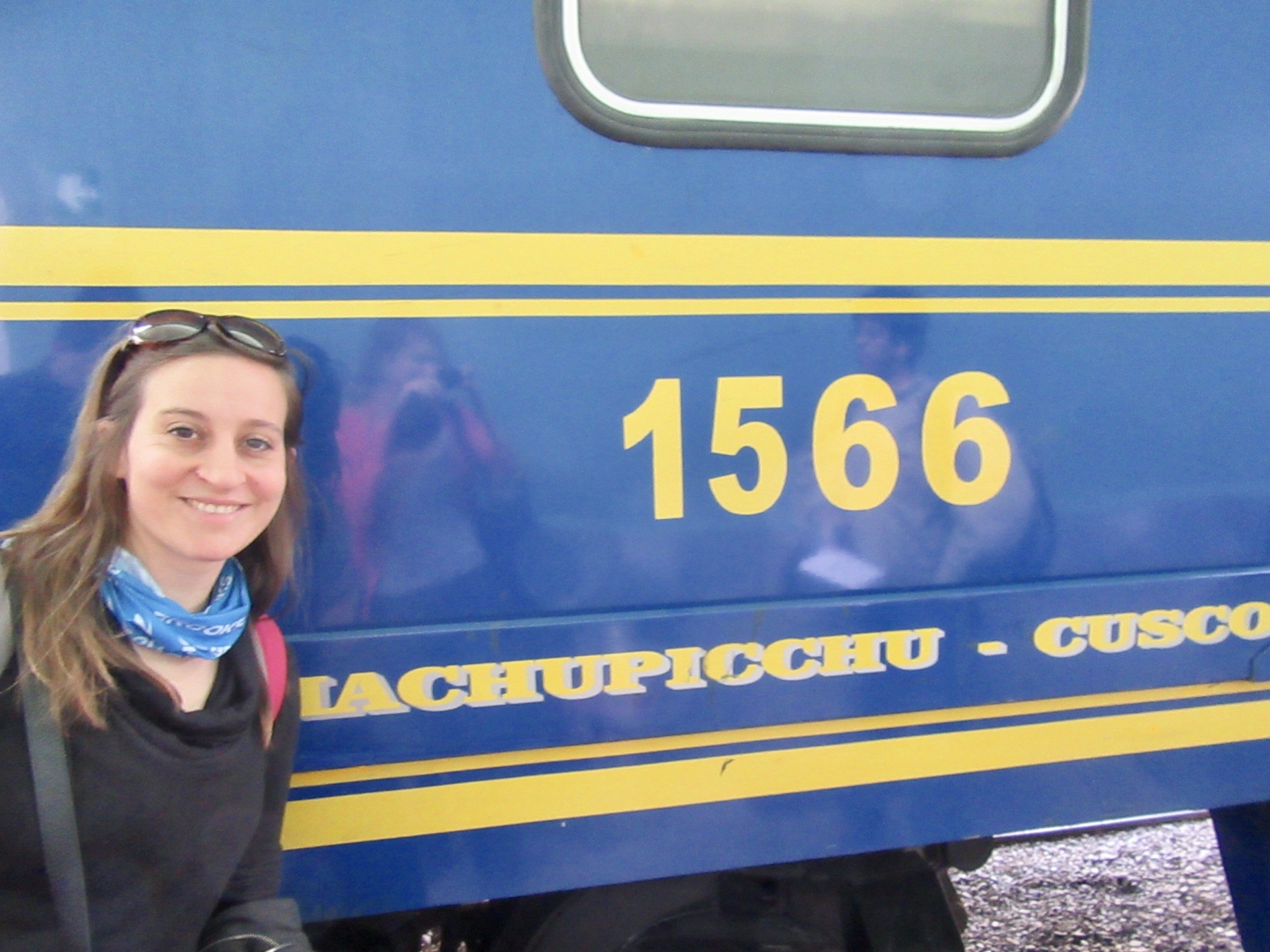
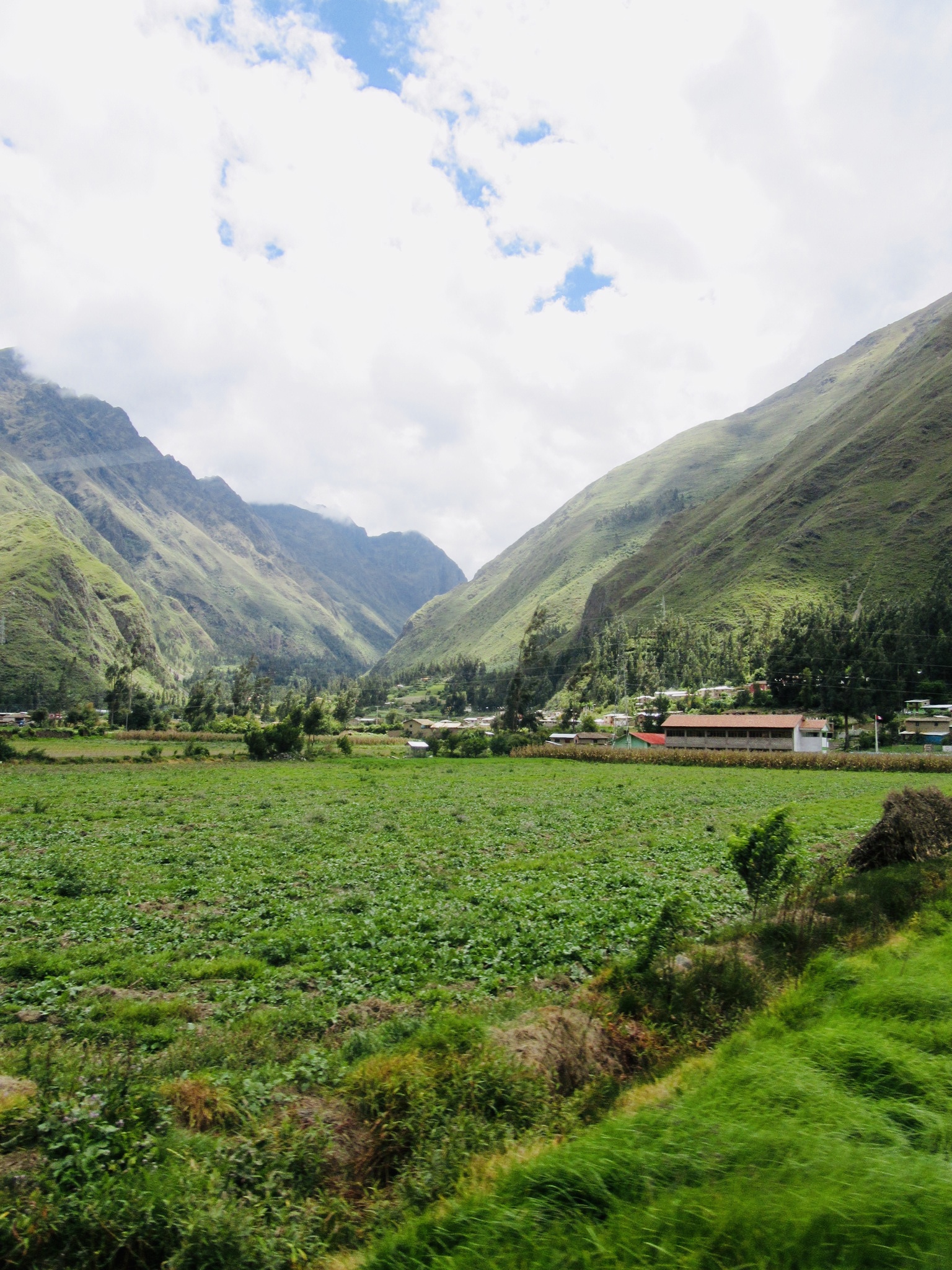
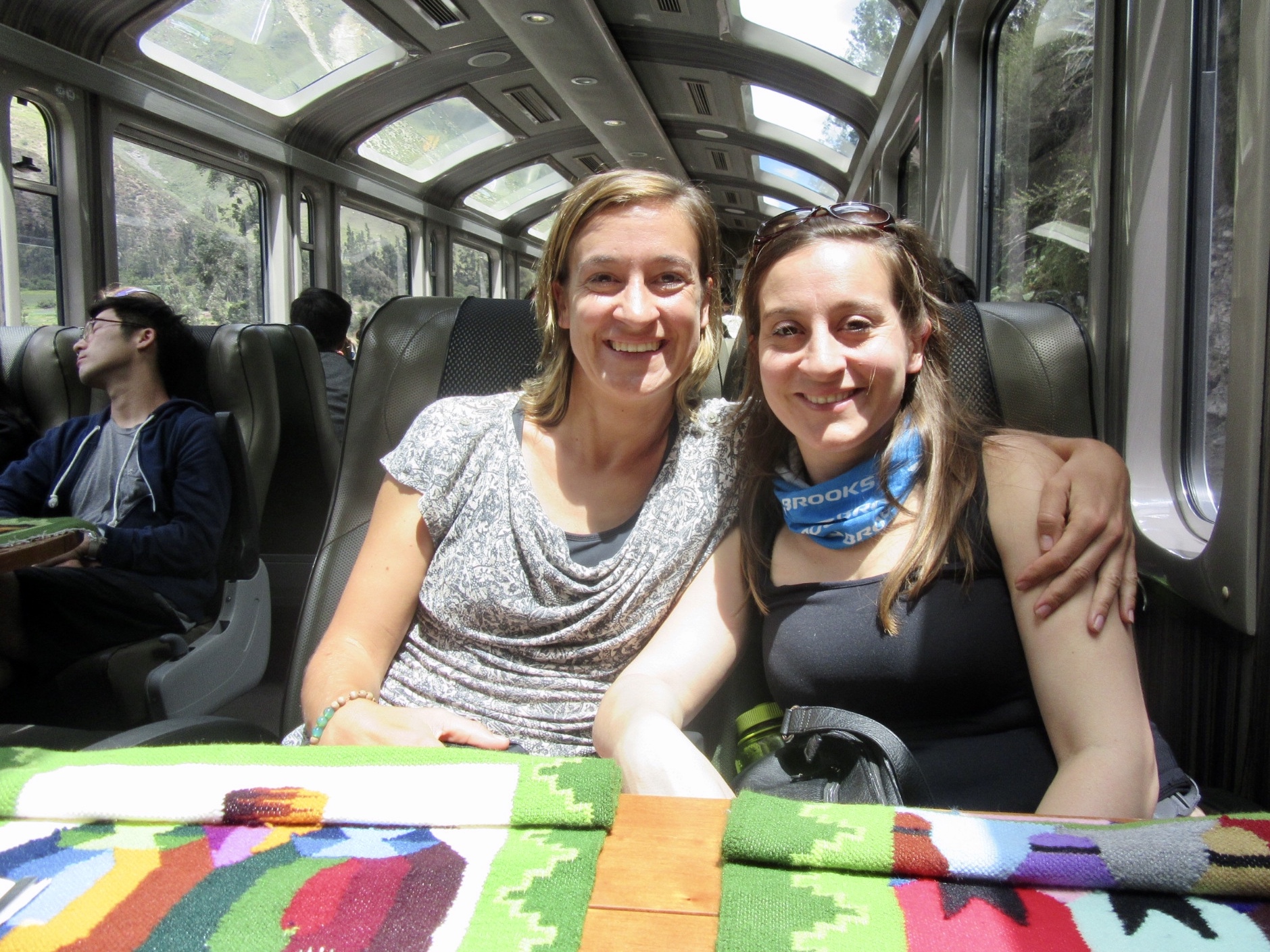
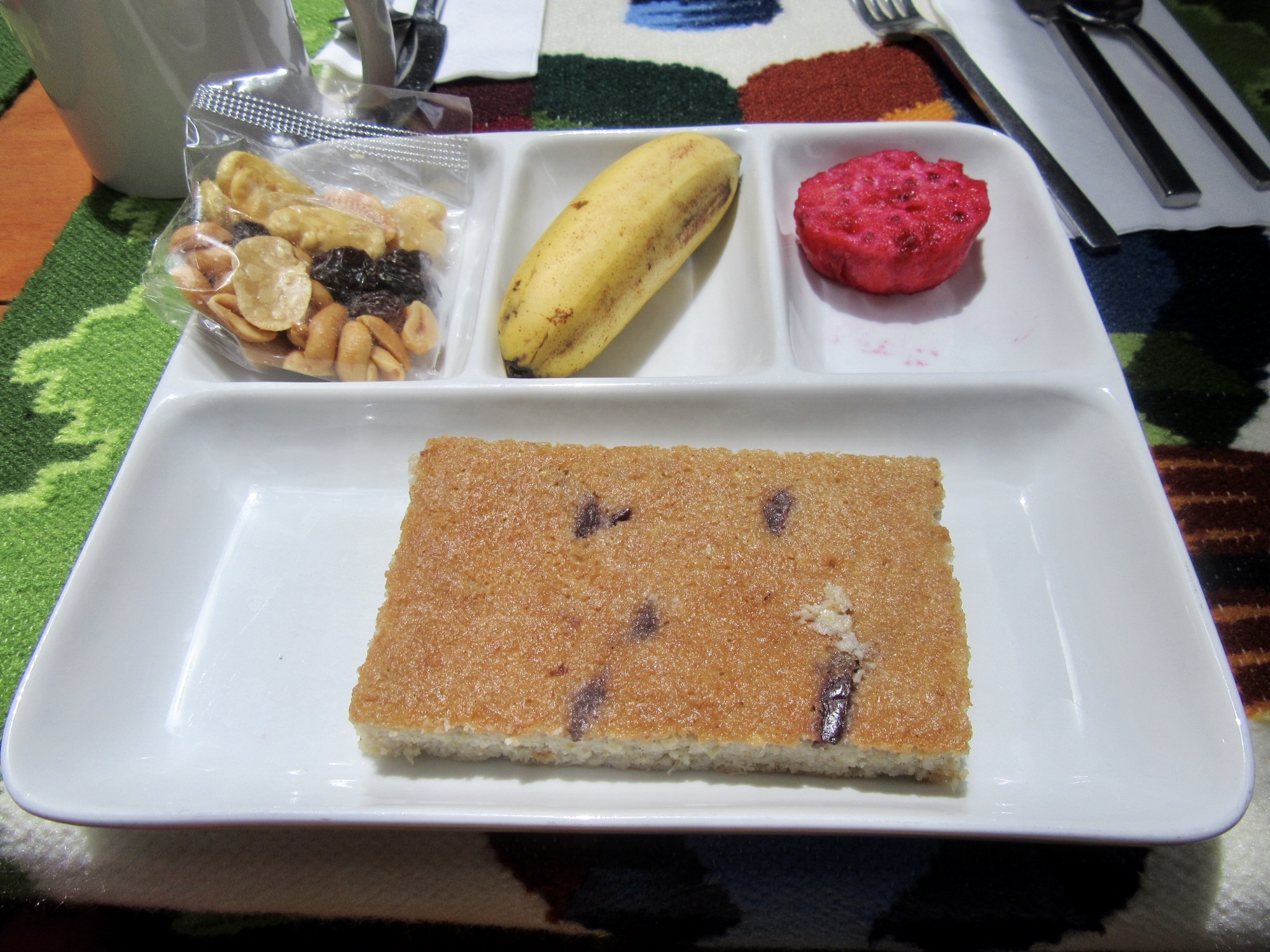
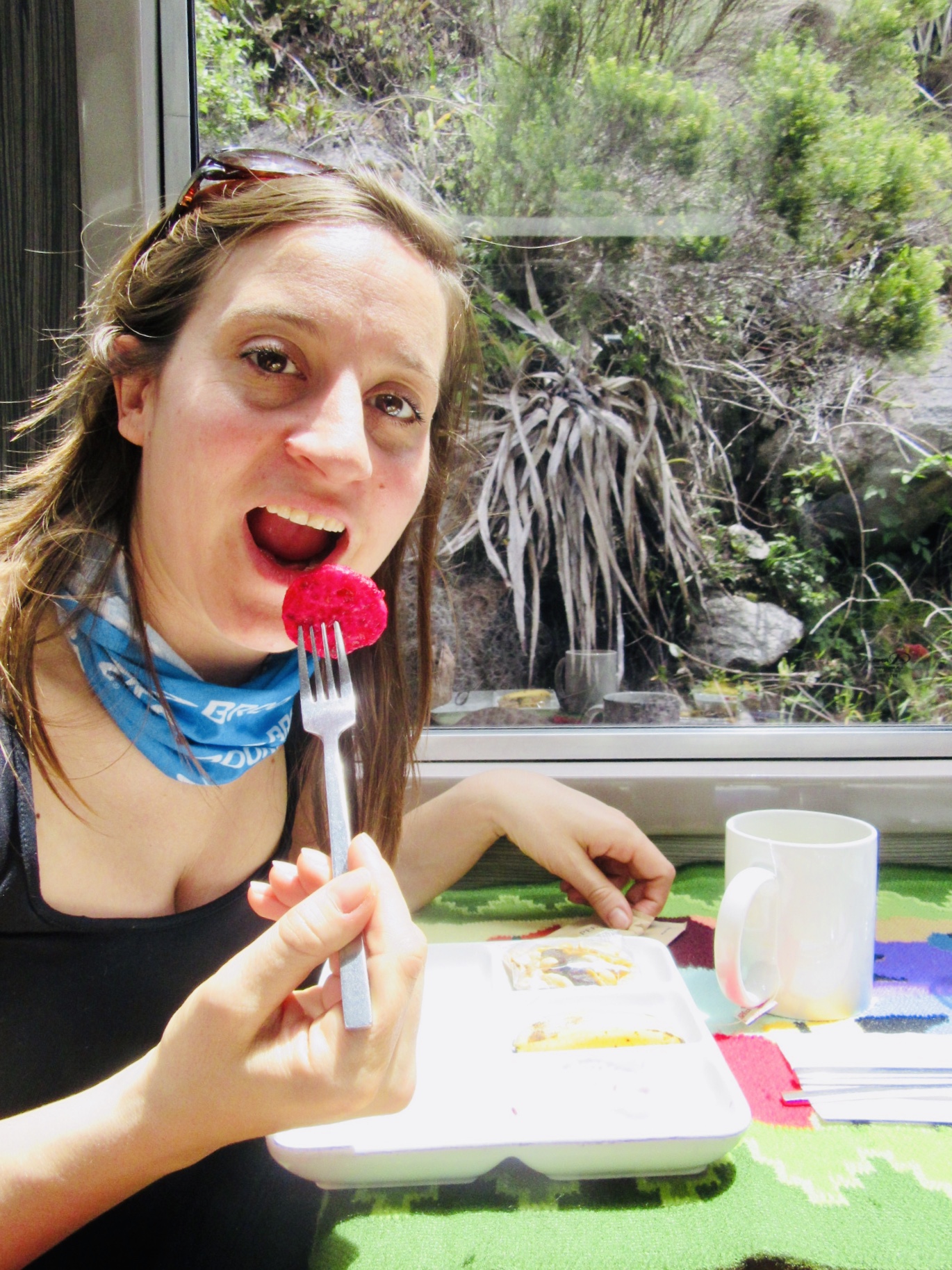
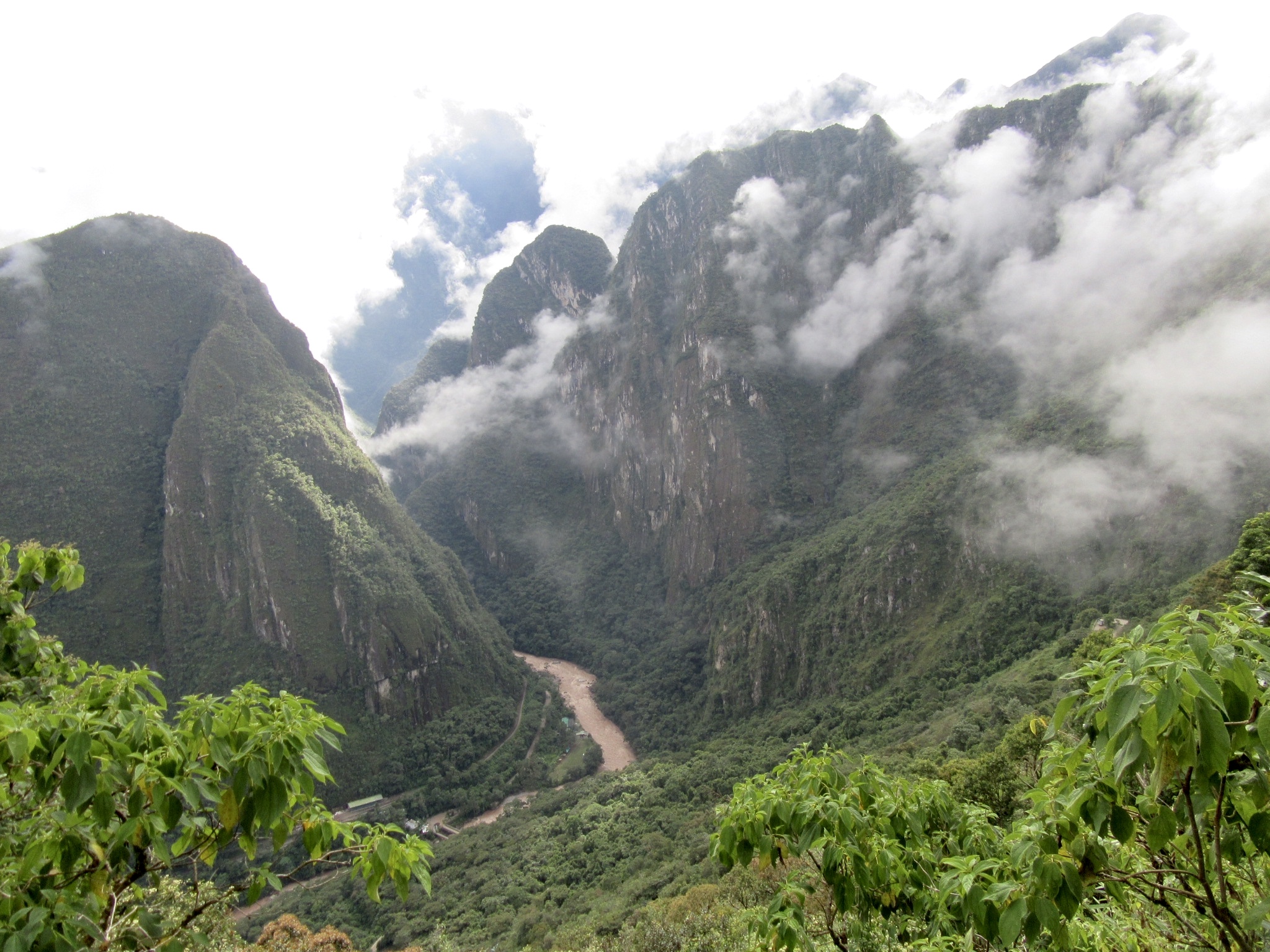
Nothing happened though and we woke up the next morning to take the train to Aguas Calientes. It was a very pleasant journey because the train is luxurious with panorama windows and we got food served in our seats. The landscape through the Sacred Valley was beautiful with its lush vegetation surrounded by high mountains.
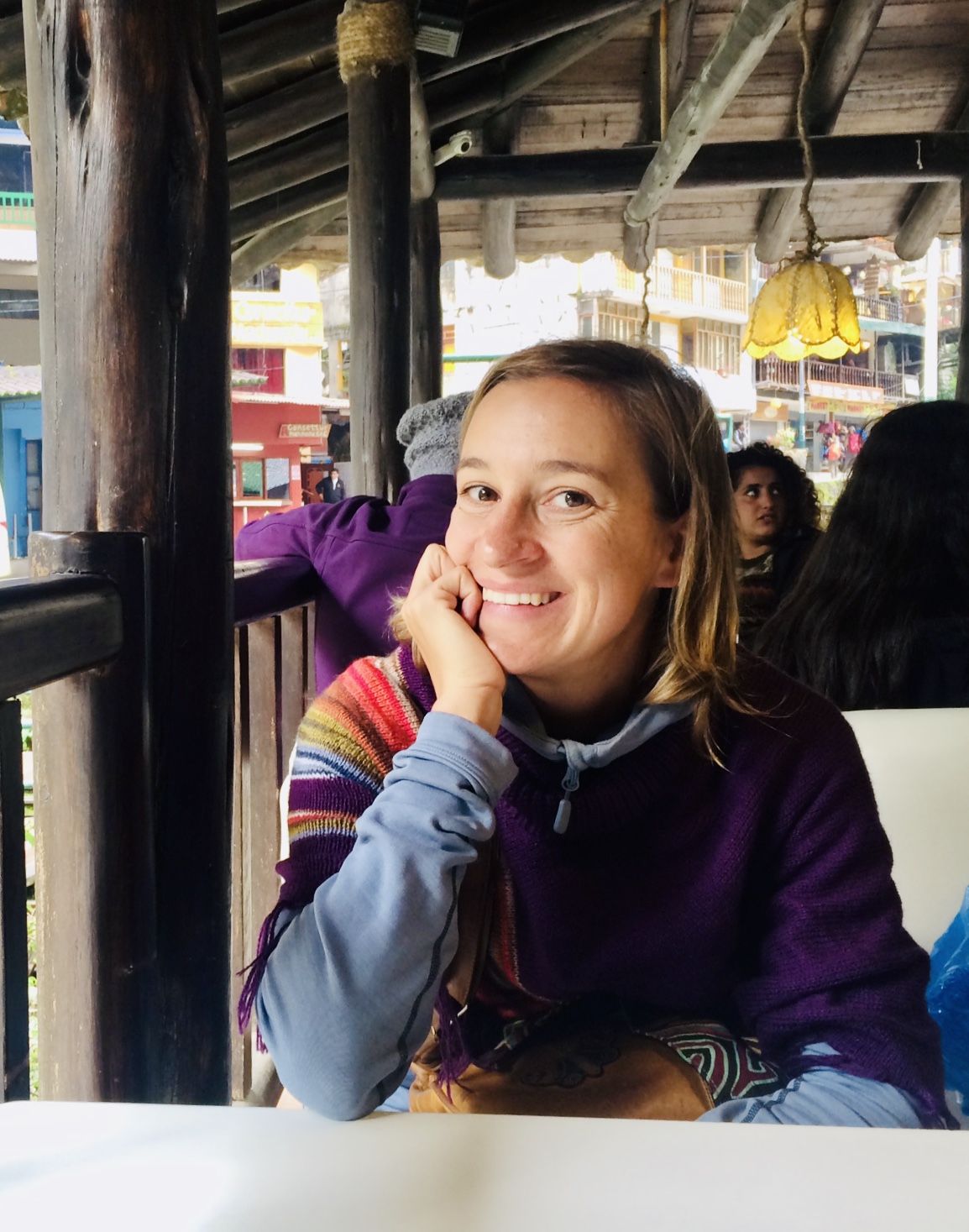
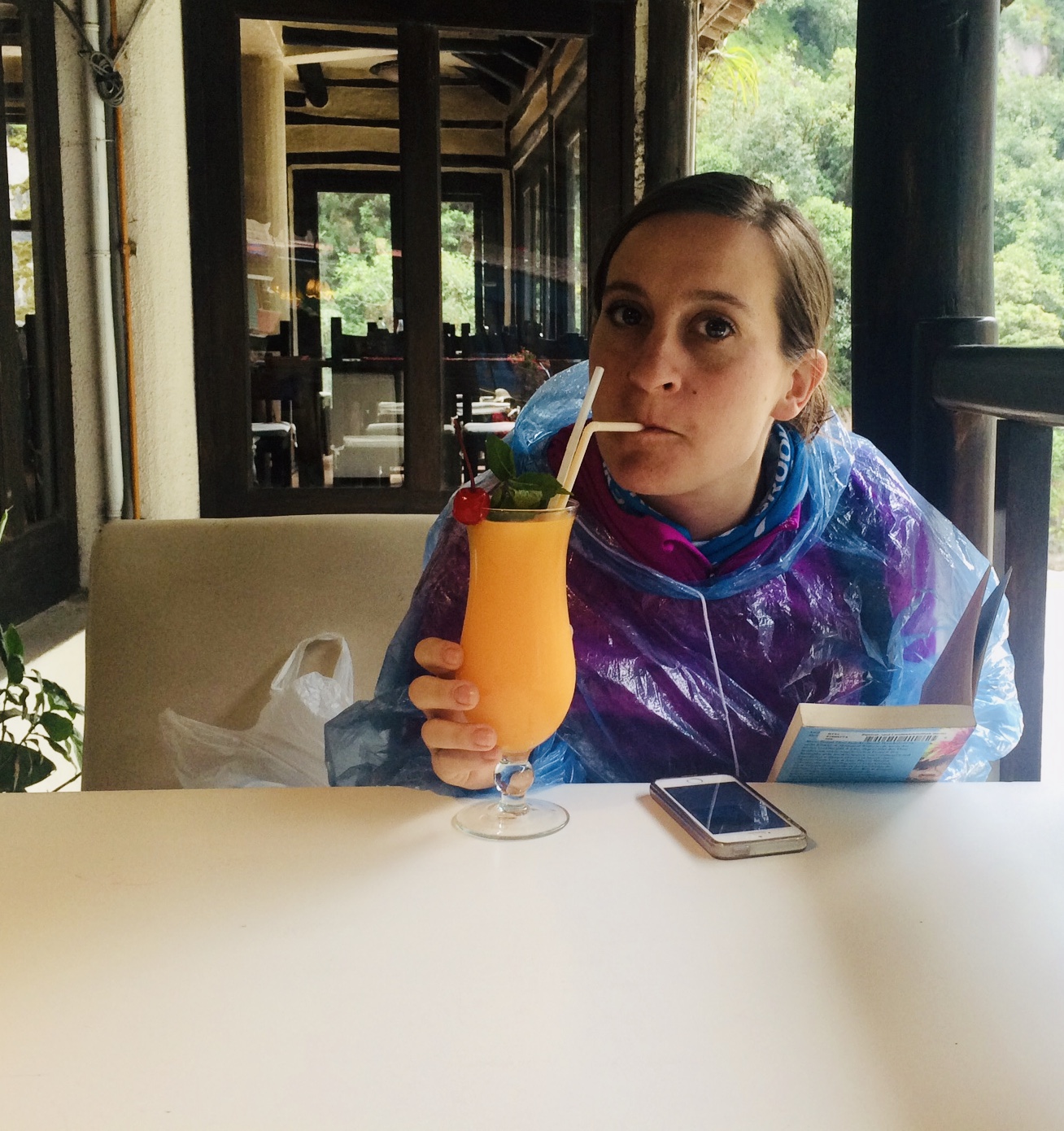
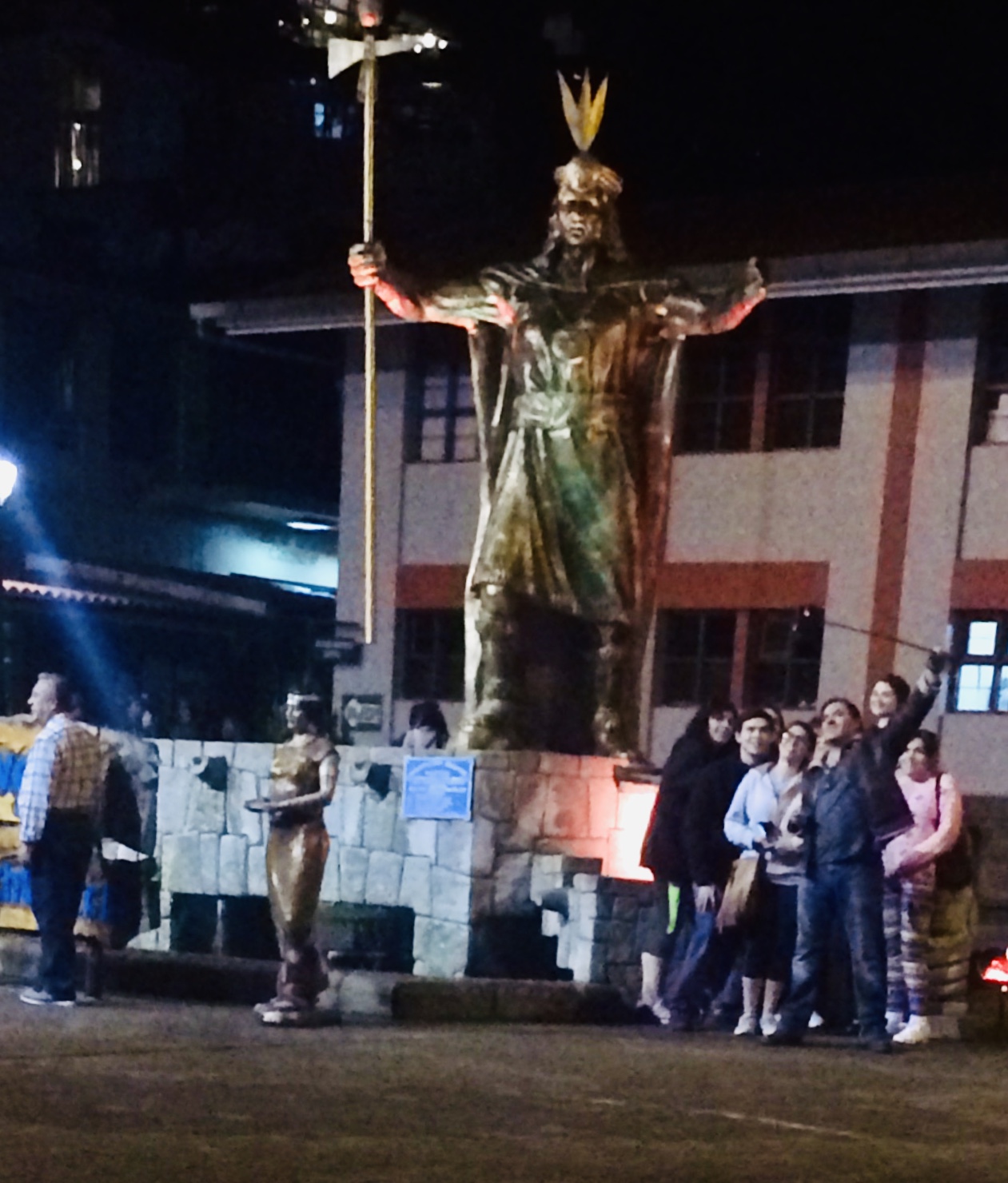
We spent the afternoon in Aguas Calientes going to the hot spring baths (no photos), where we chilled in the warm water drinking cocktails (well, a mocktail in Lena’s case). The main (and it kind of seems the only) street in the town is lined with tourist shops and restaurants. Nothing spectacular, all a bit higgledy-piggledy. There is a large statue of the powerful Inca emperor Pachacuti (about 1418 to 1471) in the main square. I didn’t particularly like it.
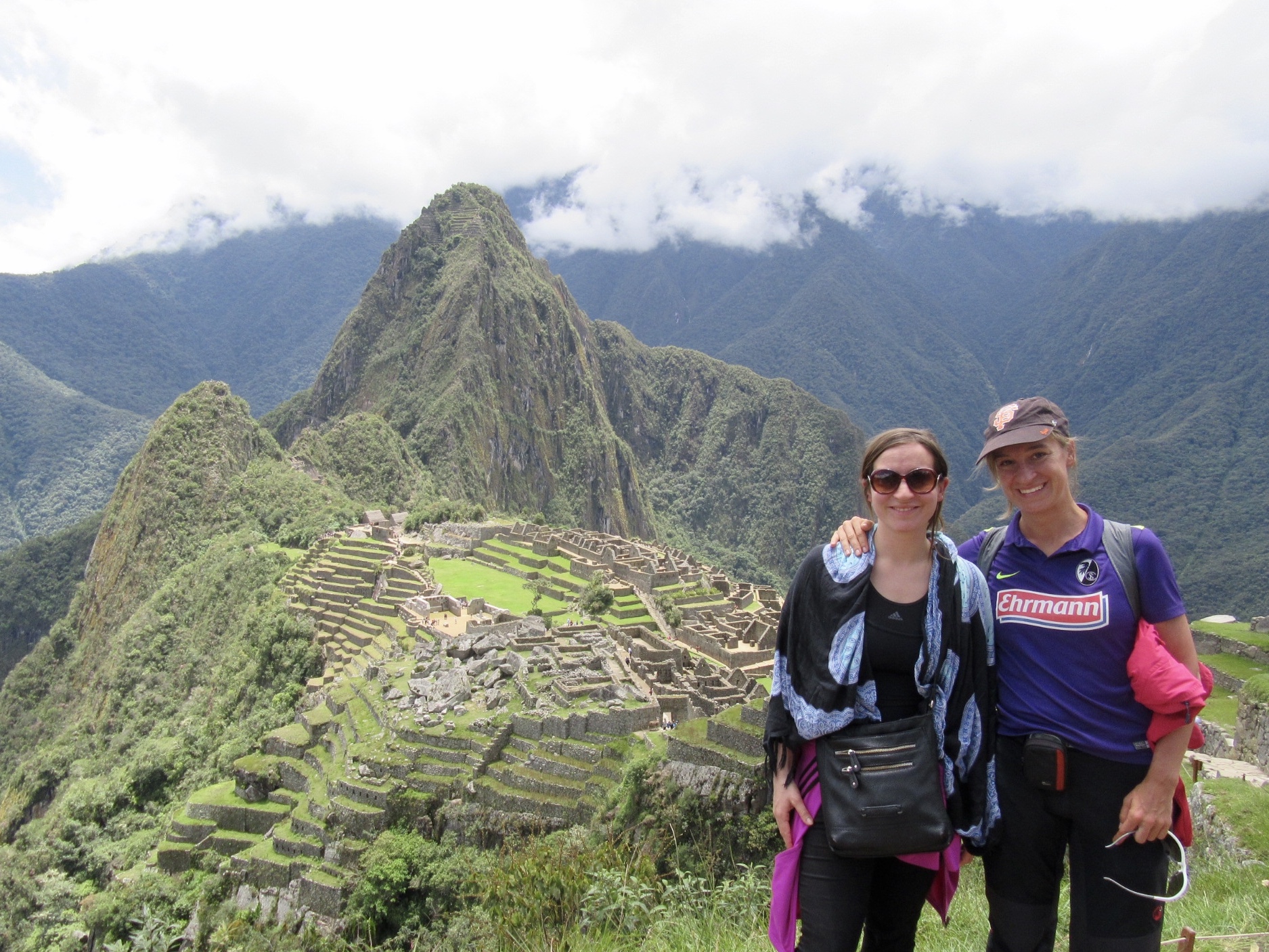
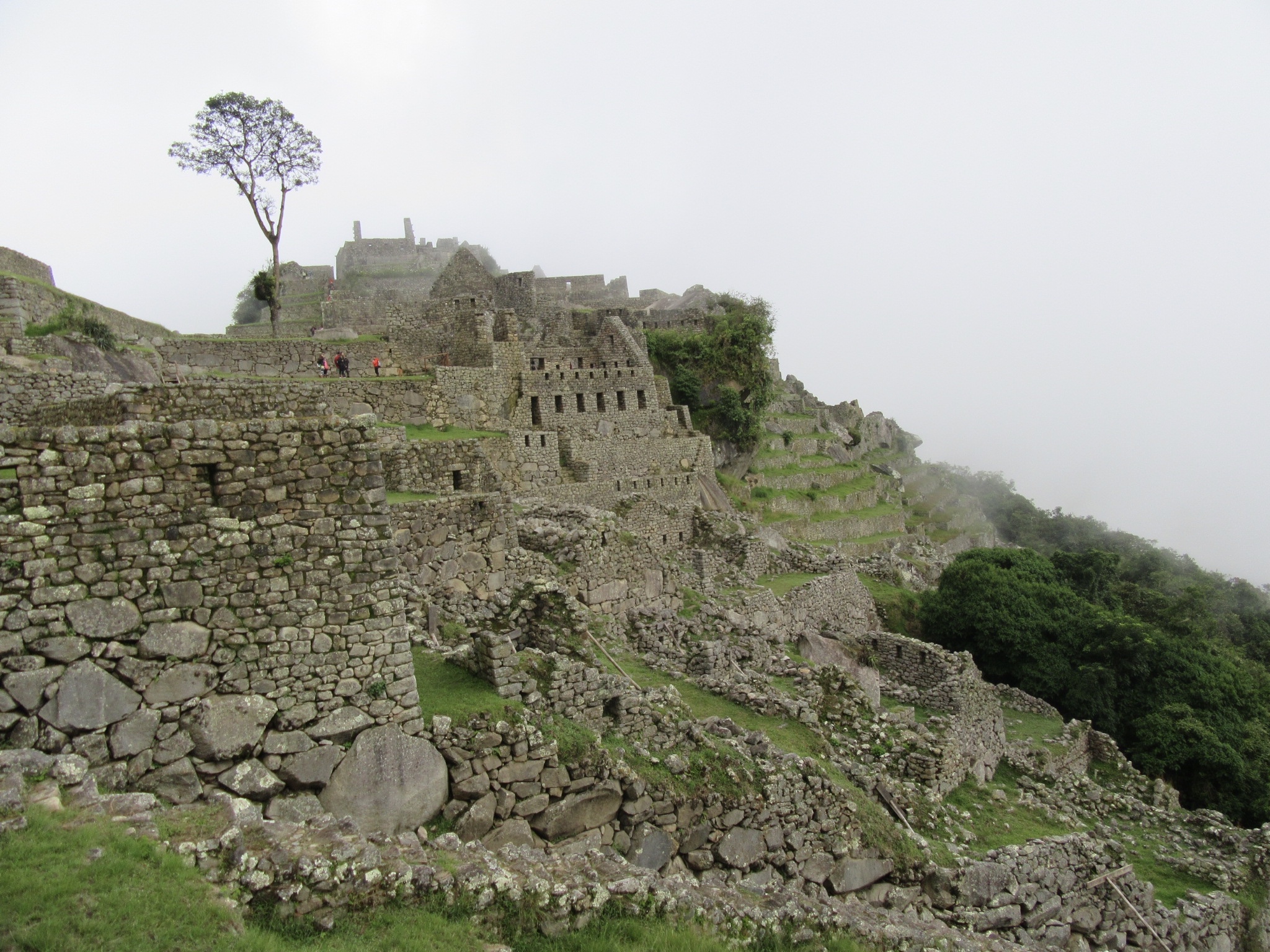
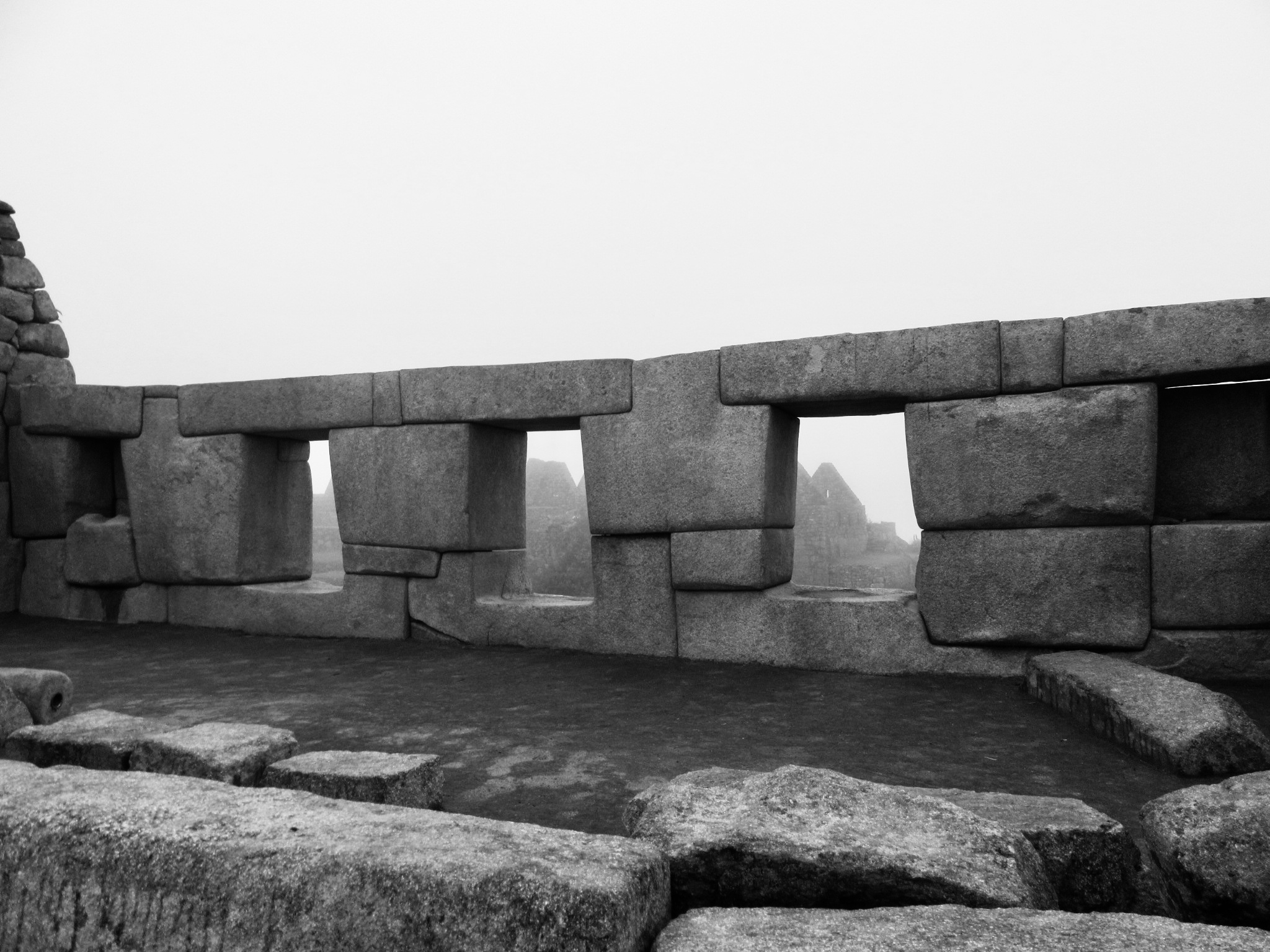
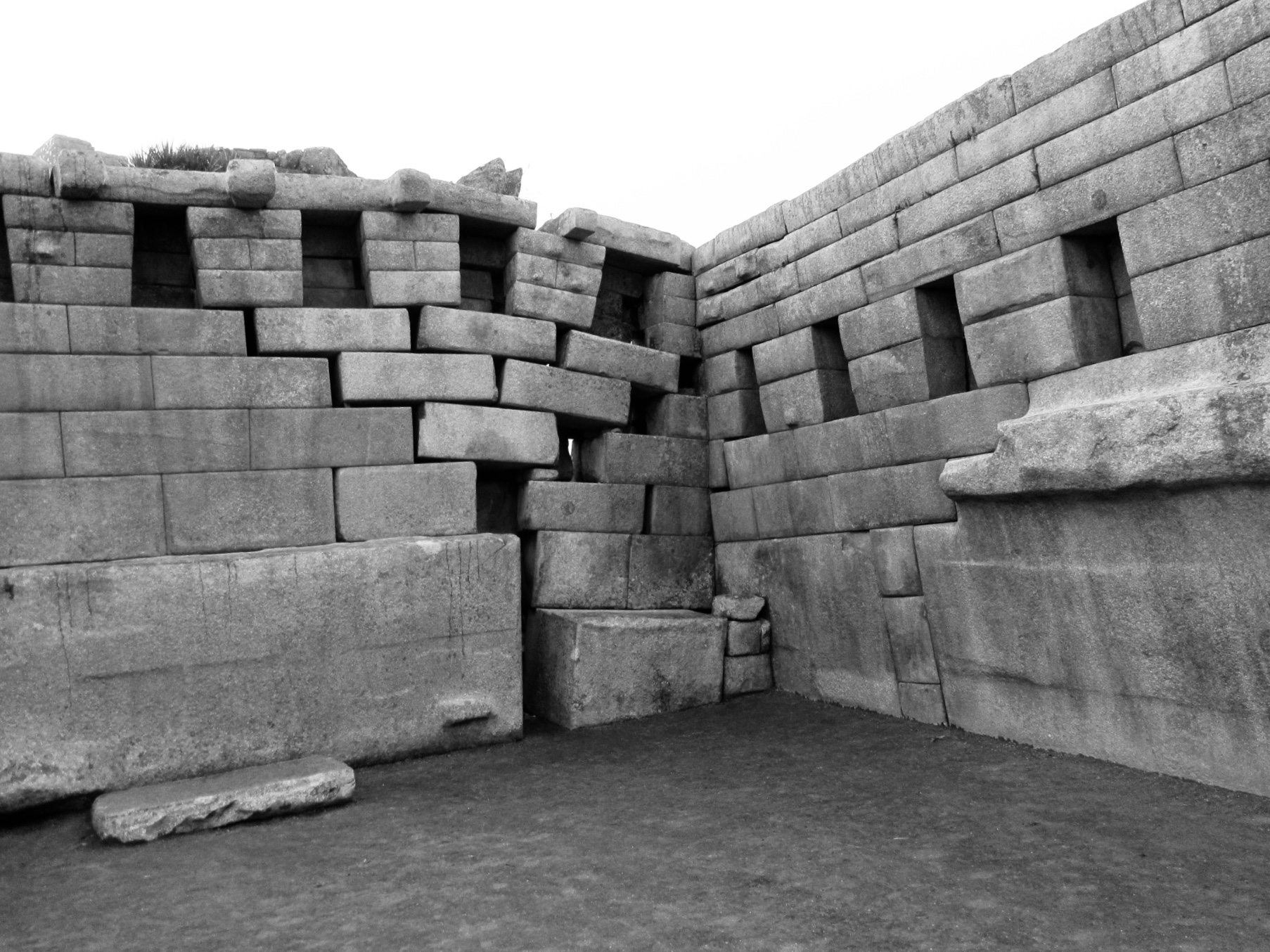
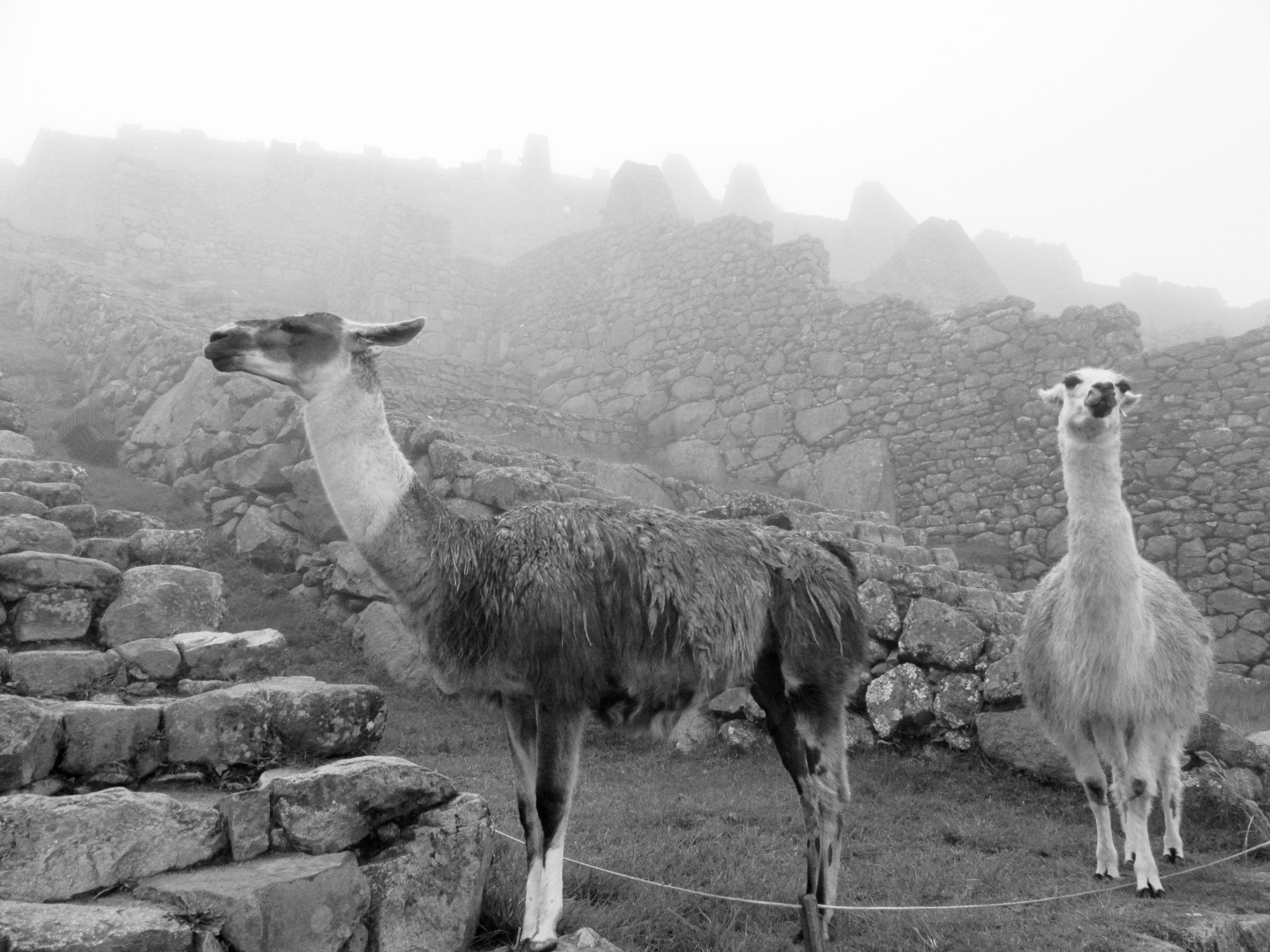
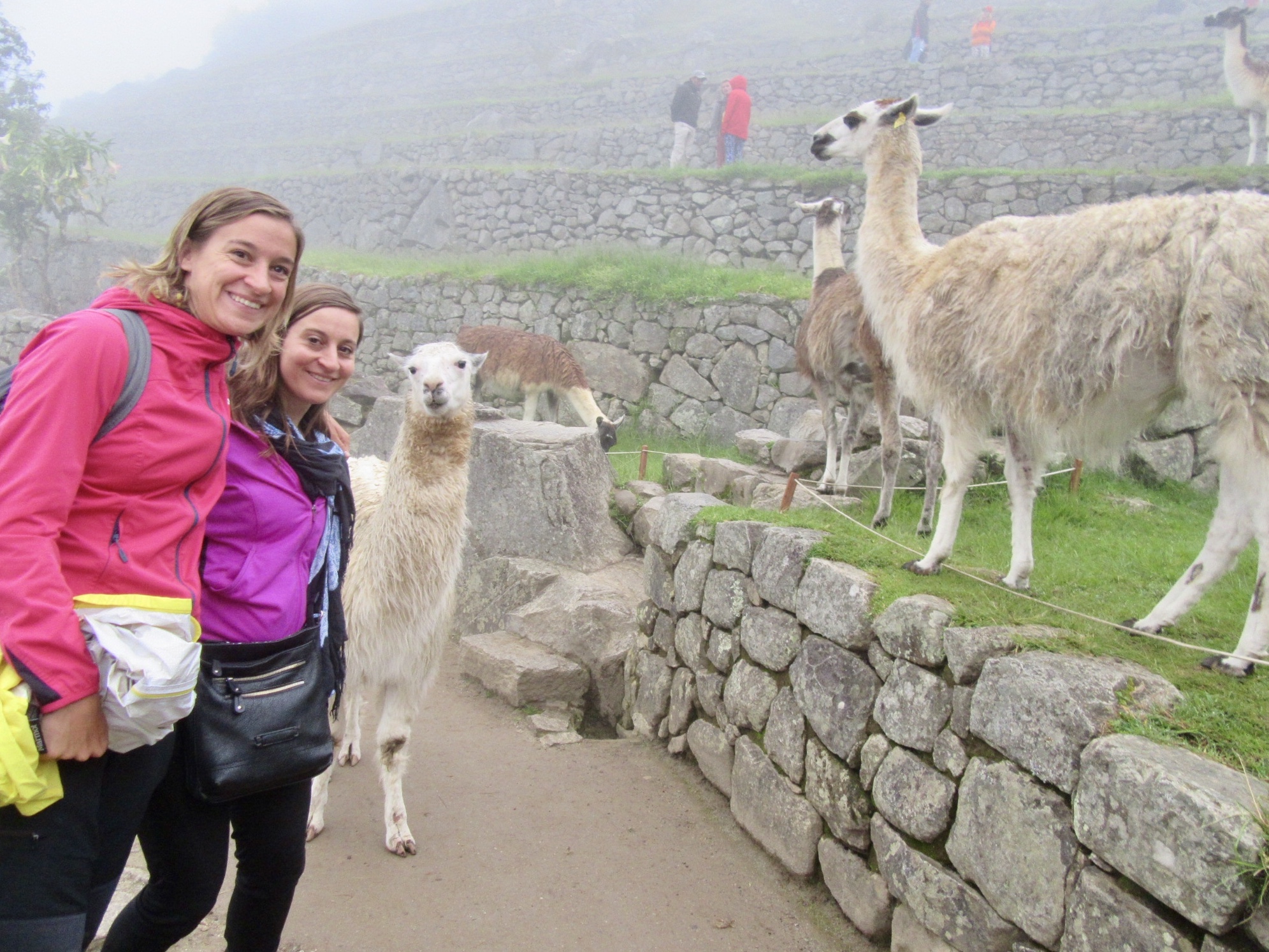
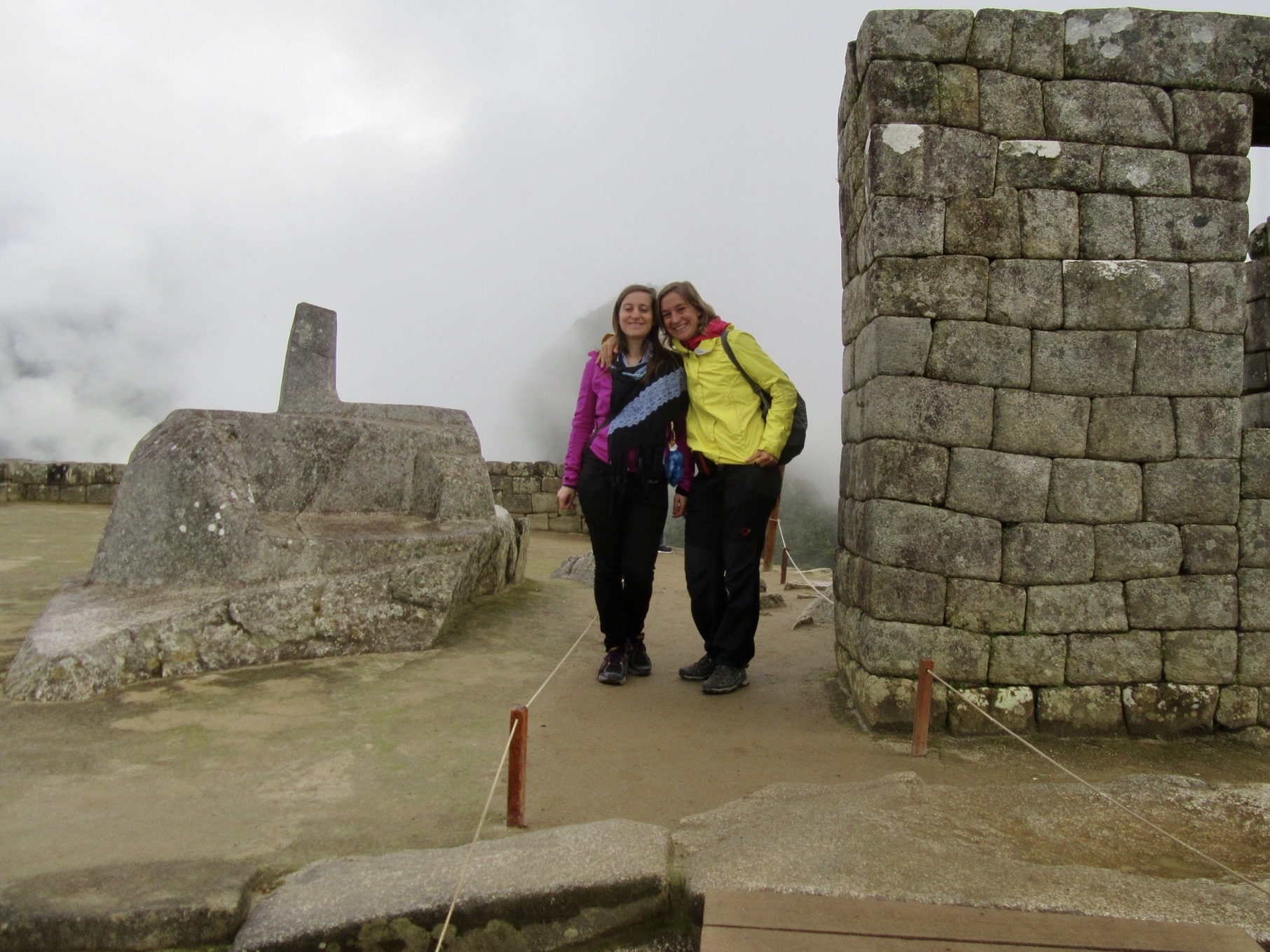
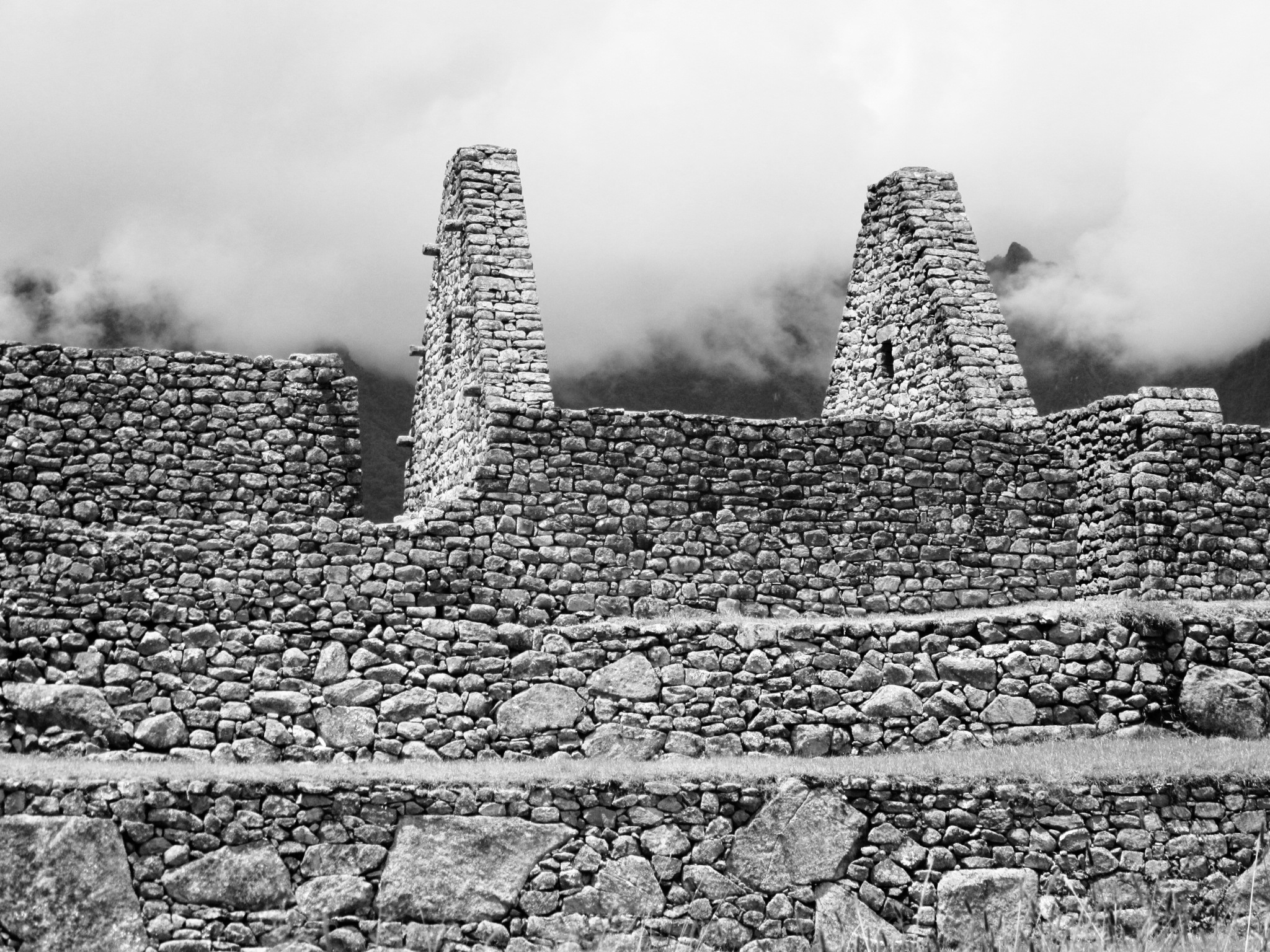
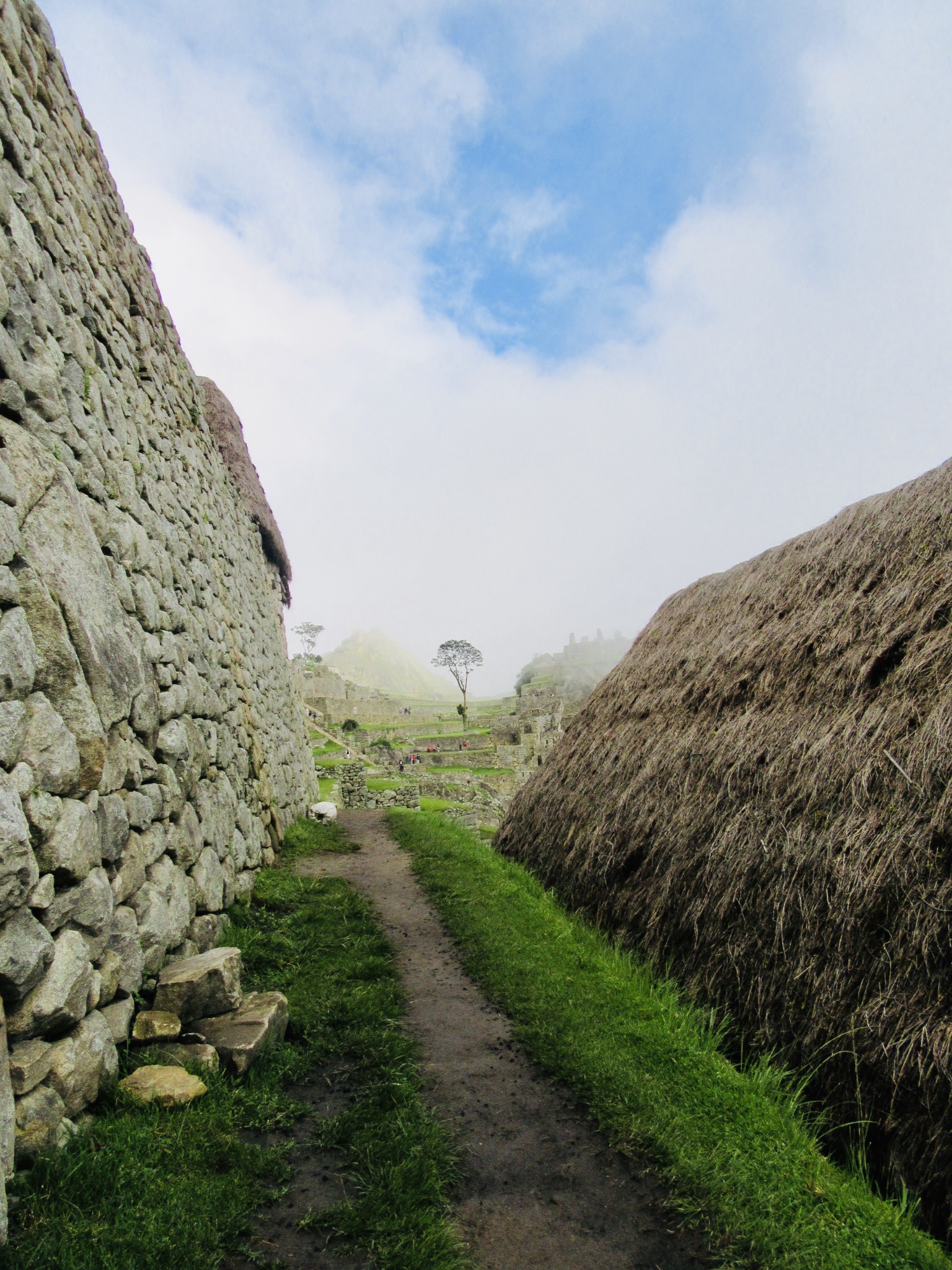
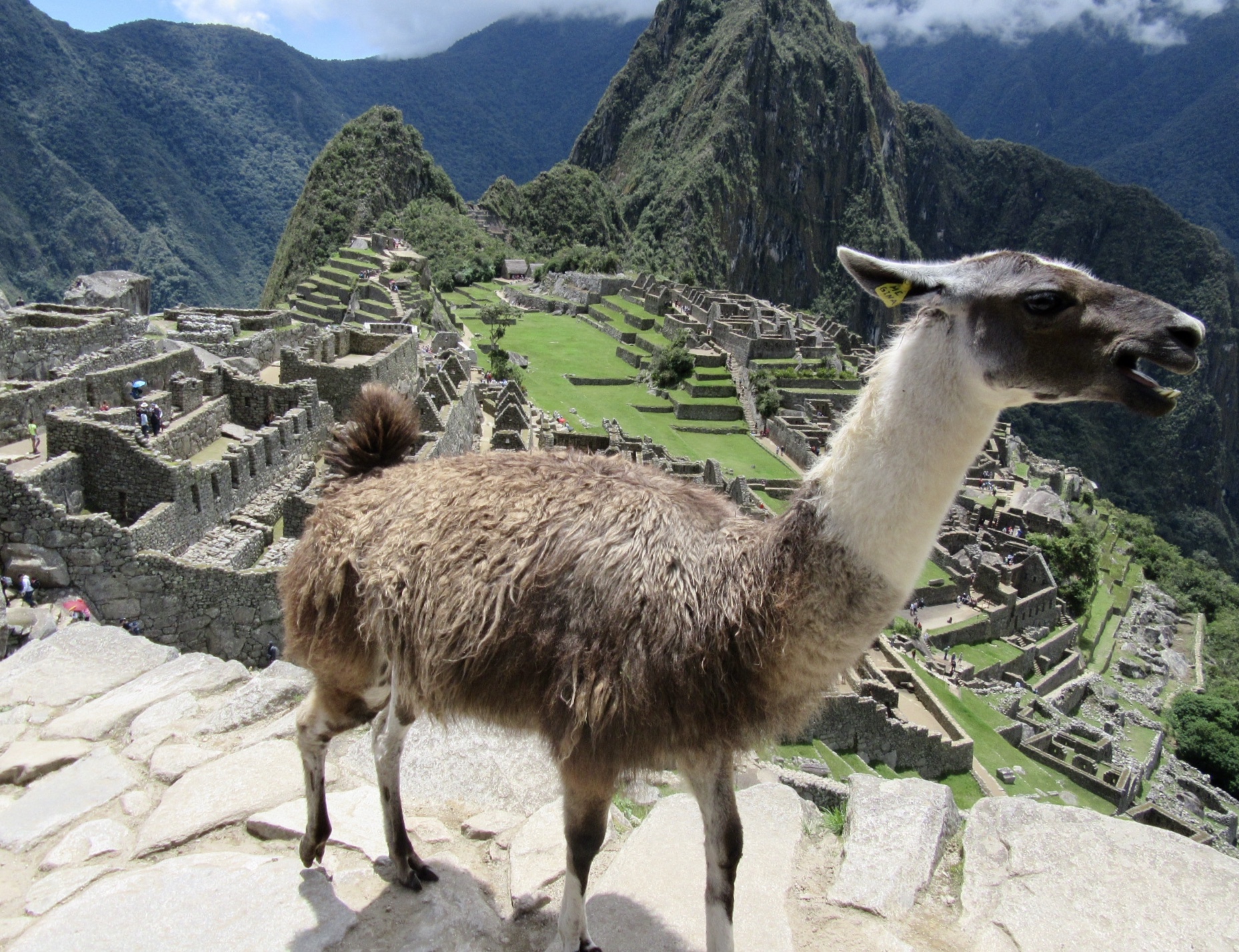
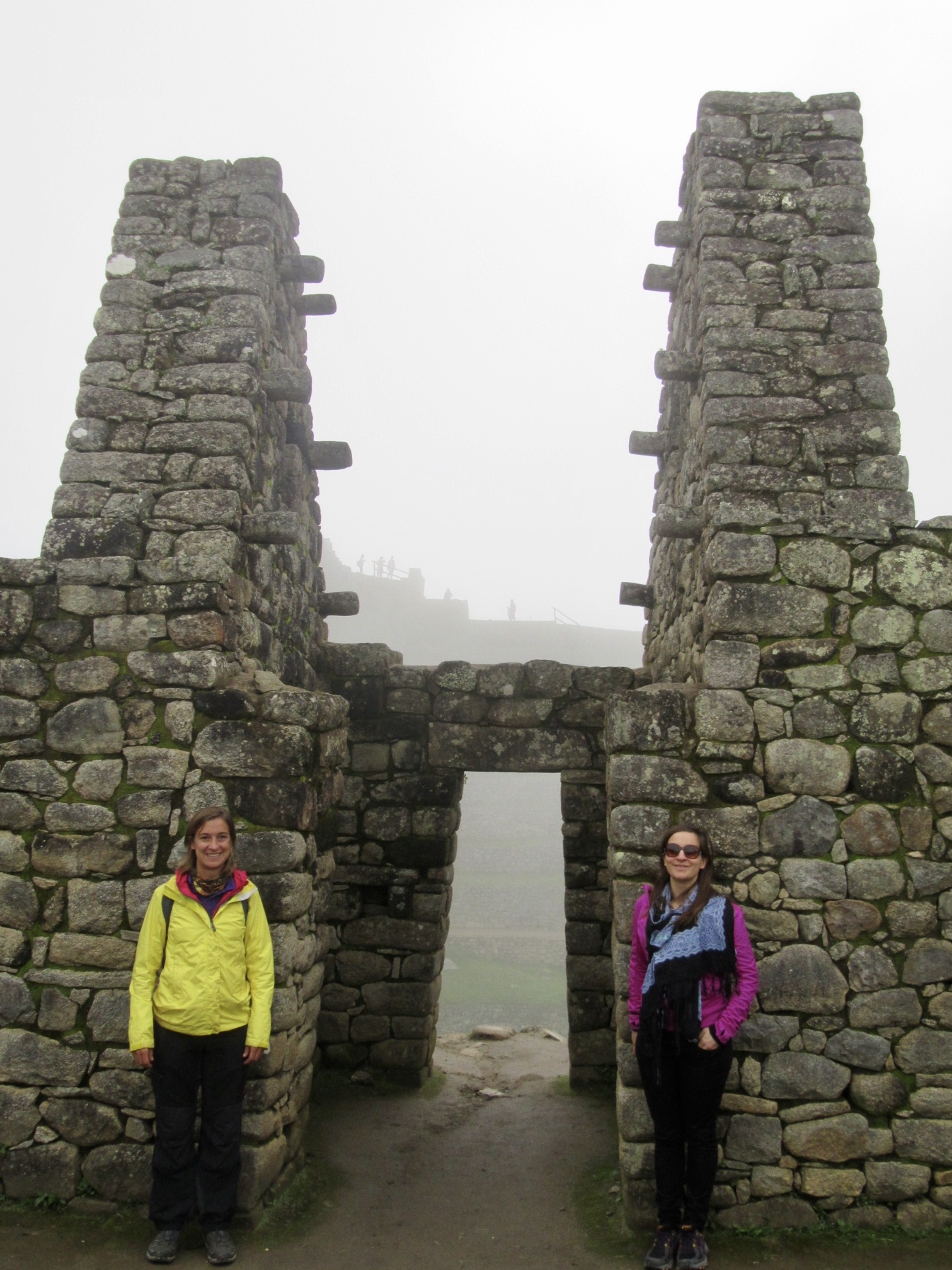
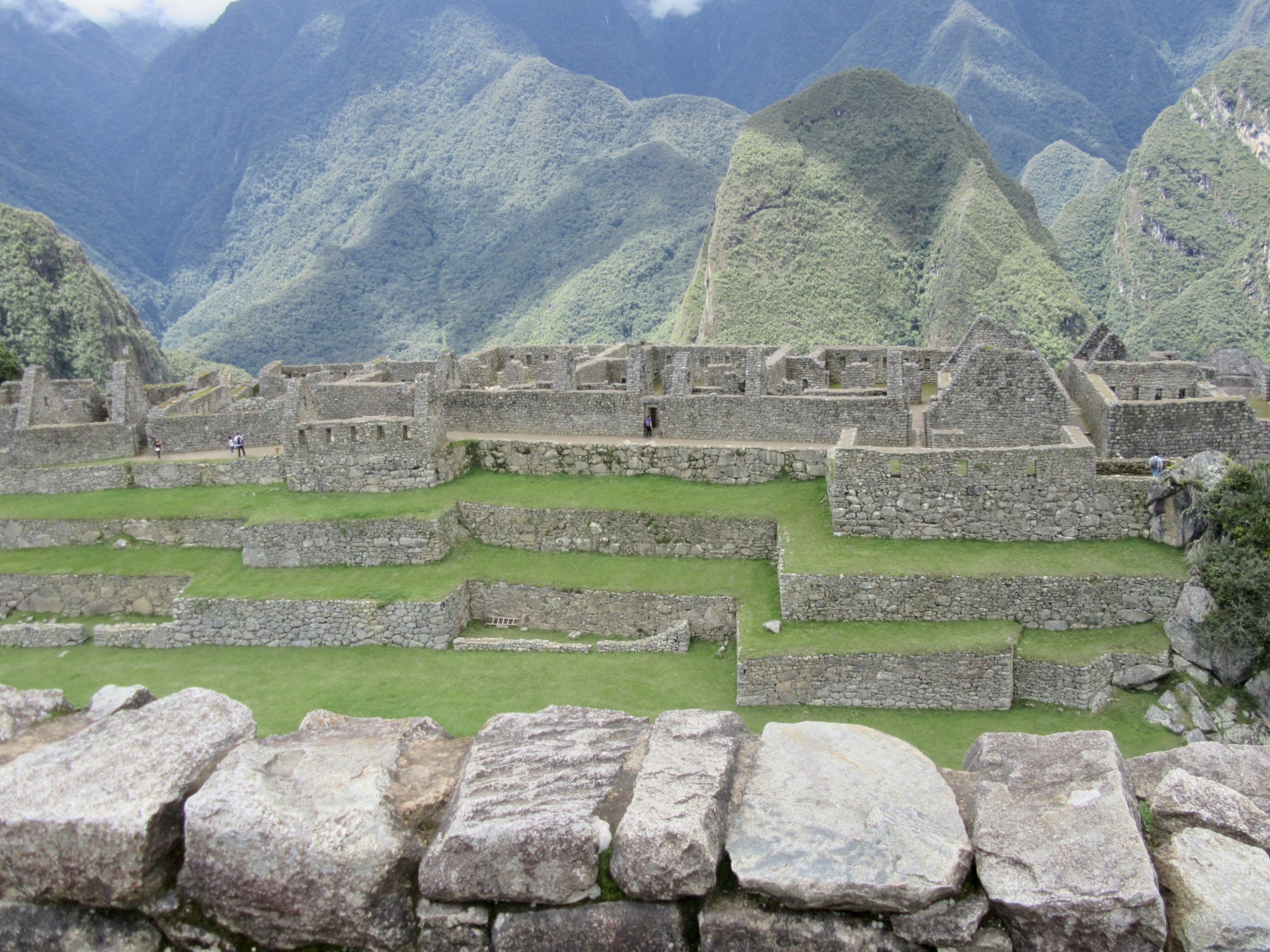
Lena and I got up very early before dawn to have breakfast and take the first bus up the mountain to the archaeological site of Machu Picchu. We were one of the first visitors so did not have to queue. We hired a guide and started our one and a half hour tour around the site. It was clouded in mist at first. Again, I cannot remember anything from the tour unfortunately, just that the guide was not very good this time. He could not tell us any answers whenever we asked him anything. So here are the very basics about Machu Picchu (courtesy again to Wikipedia).
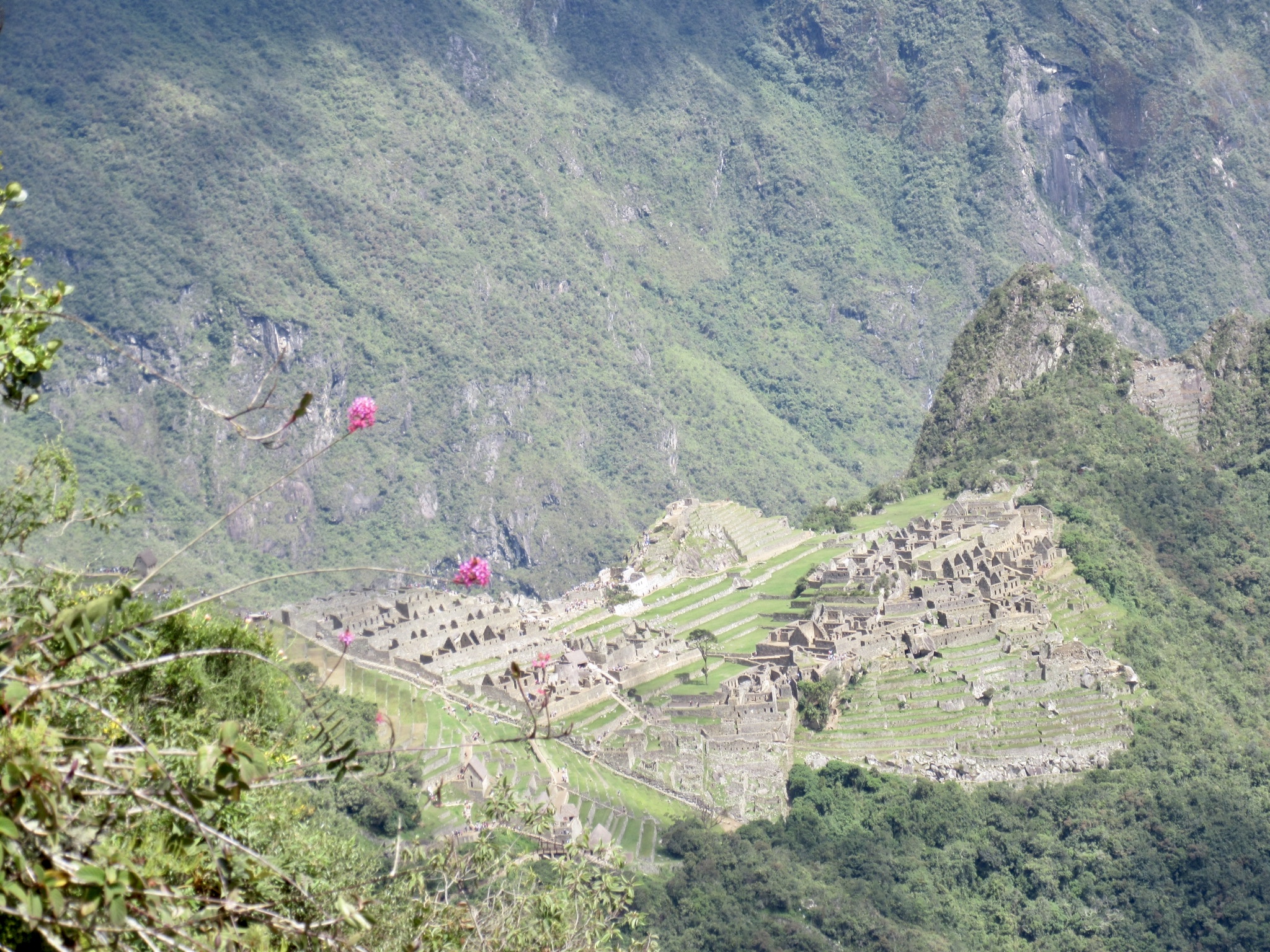
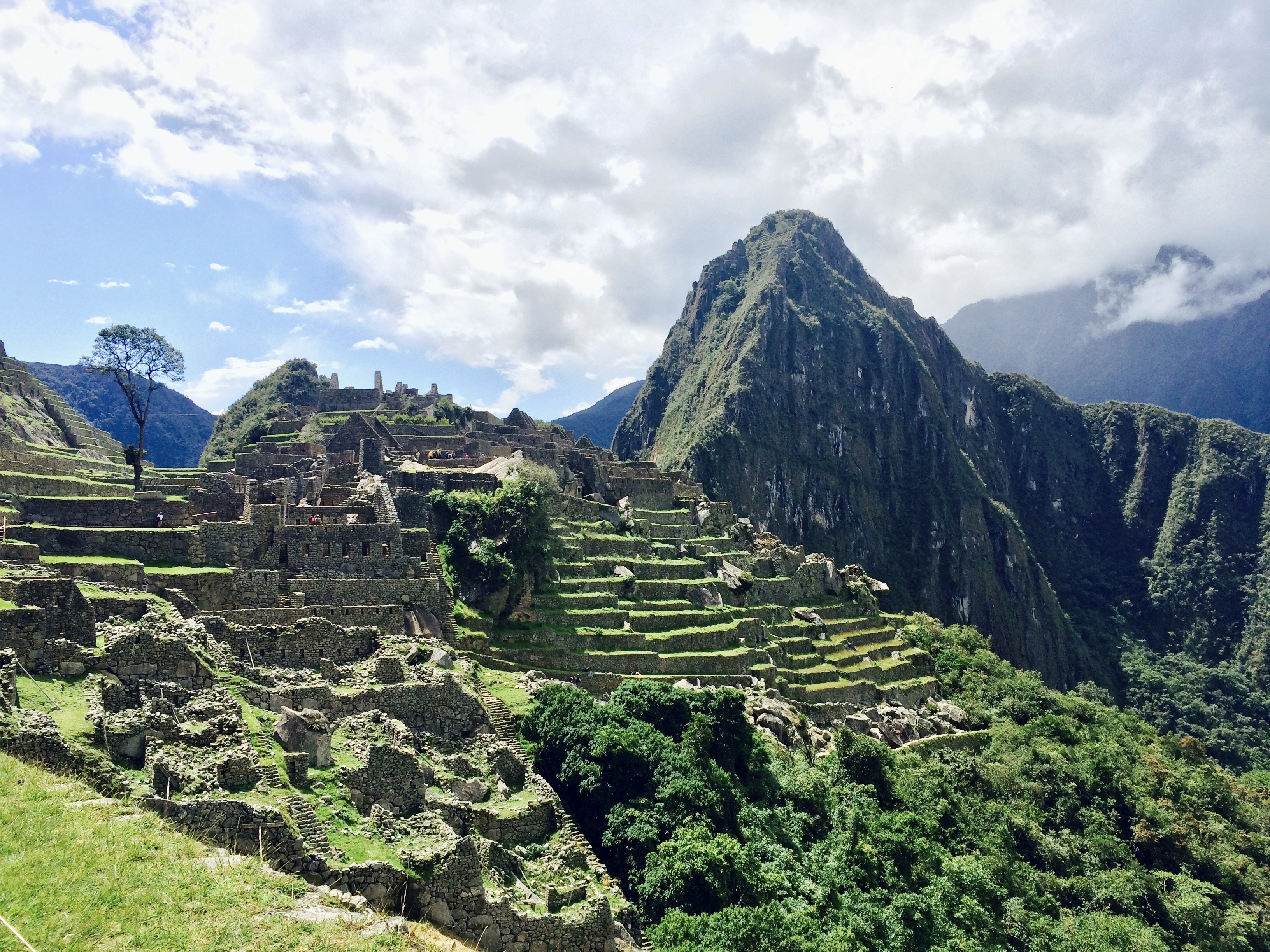
It is believed to have been built as an estate for Pachacuti around 1450, but abandoned when the Spanish conquered the Inca empire a century later. It then lay forgotten until 1911, when the American historian Hiram Bingham rediscovered it. It was declared UNESCO World Heritage Site in 1983.
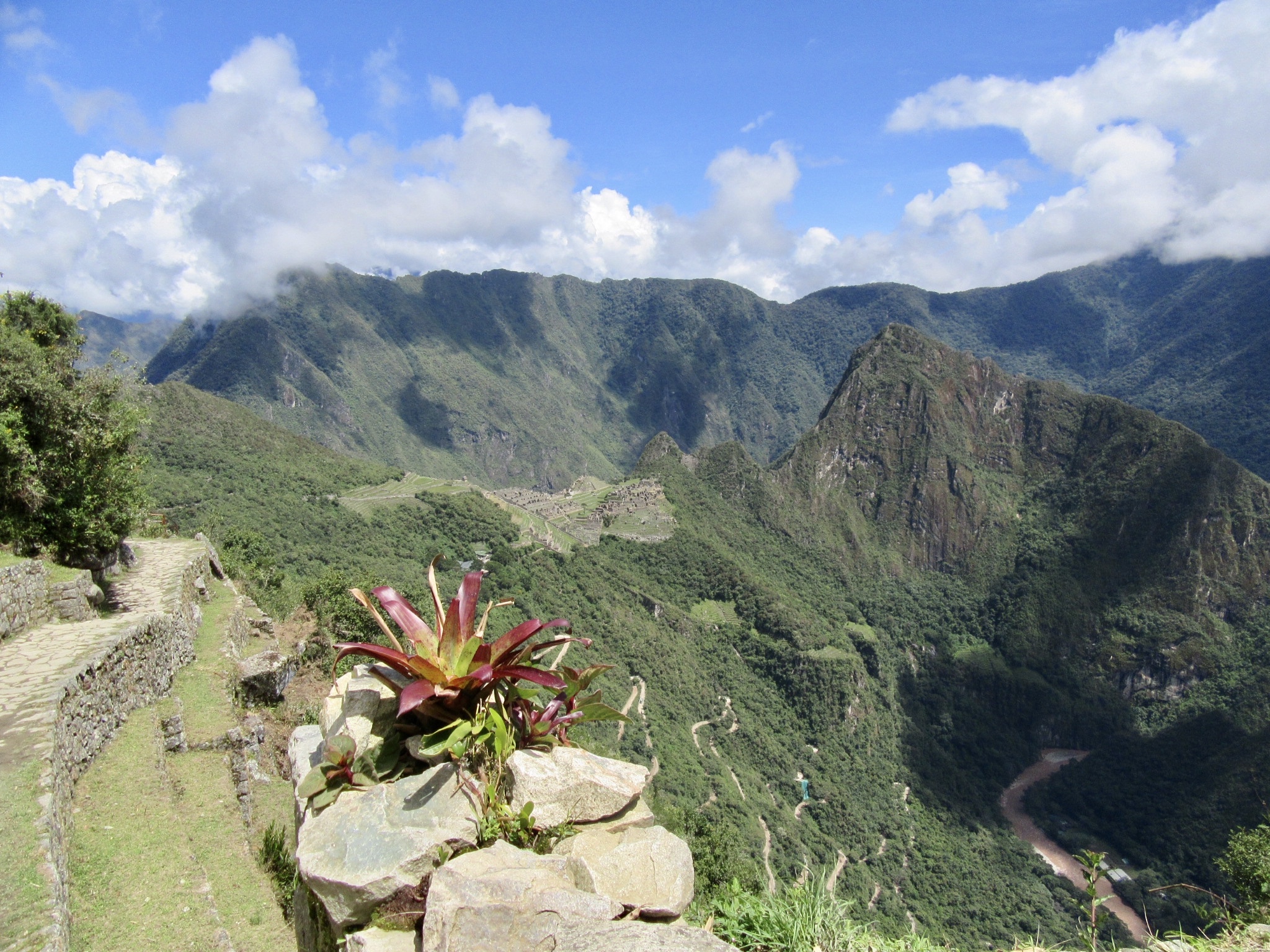
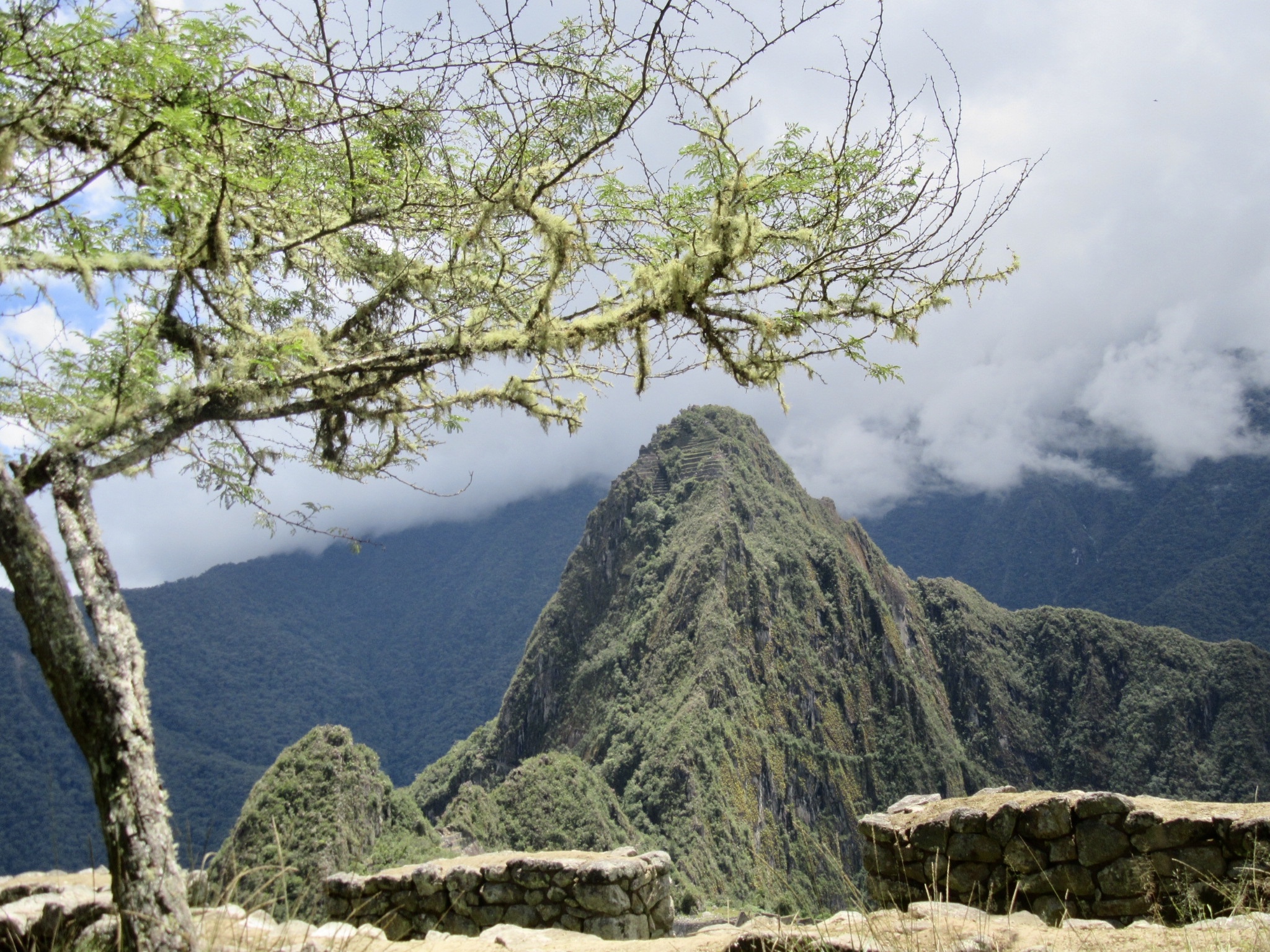
Huayna Picchu is the imposing mountain overlooking Machu Picchu. Apparently the Inca High Priest and the local virgins lived on top of the mountain and would trek down to Machu Picchu before sunrise to signal the coming of a new day. I would have loved to hike up there. A small number of tourists are allowed to go up the mountain every day. The trail takes about one to three hours.
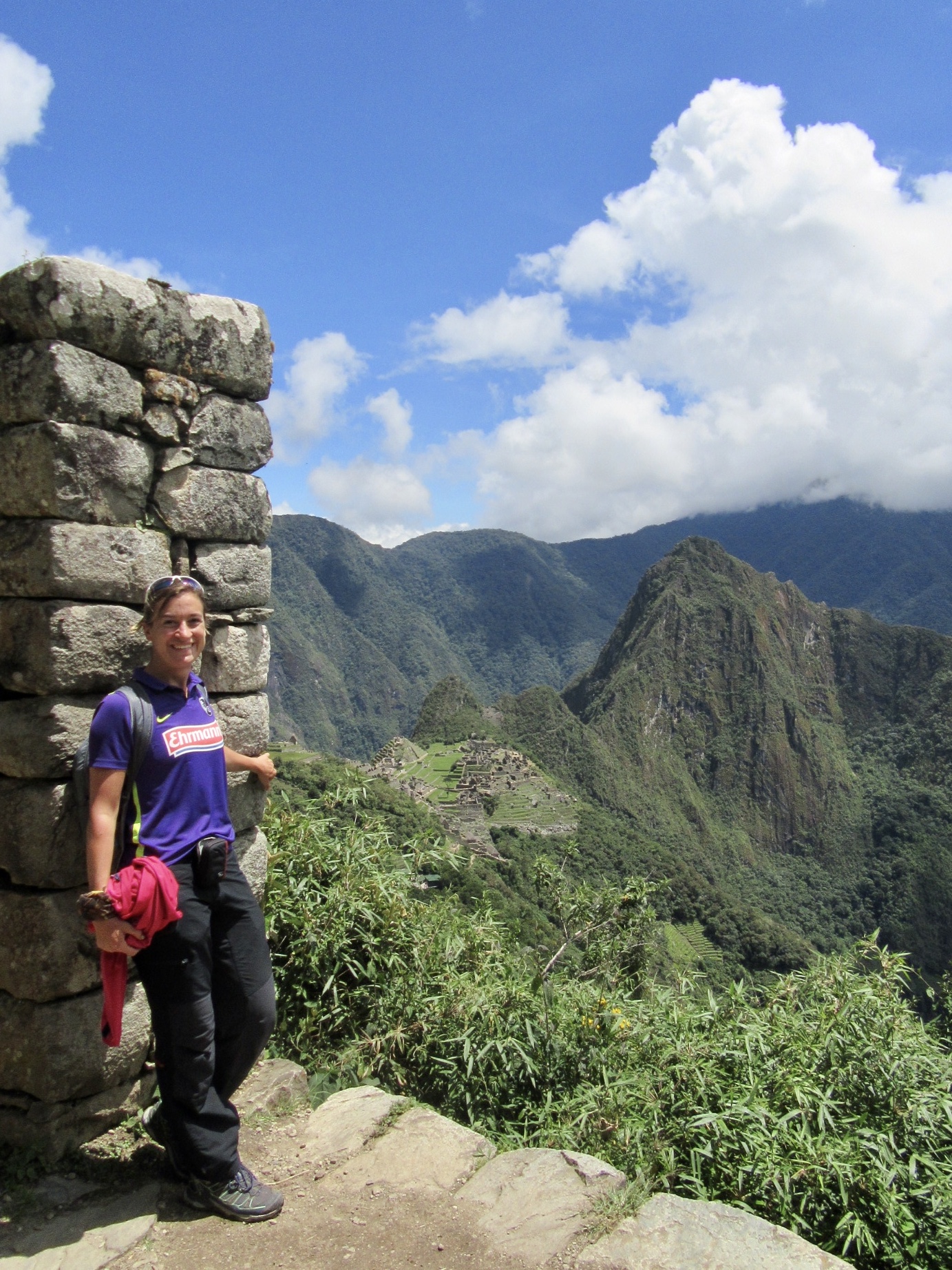
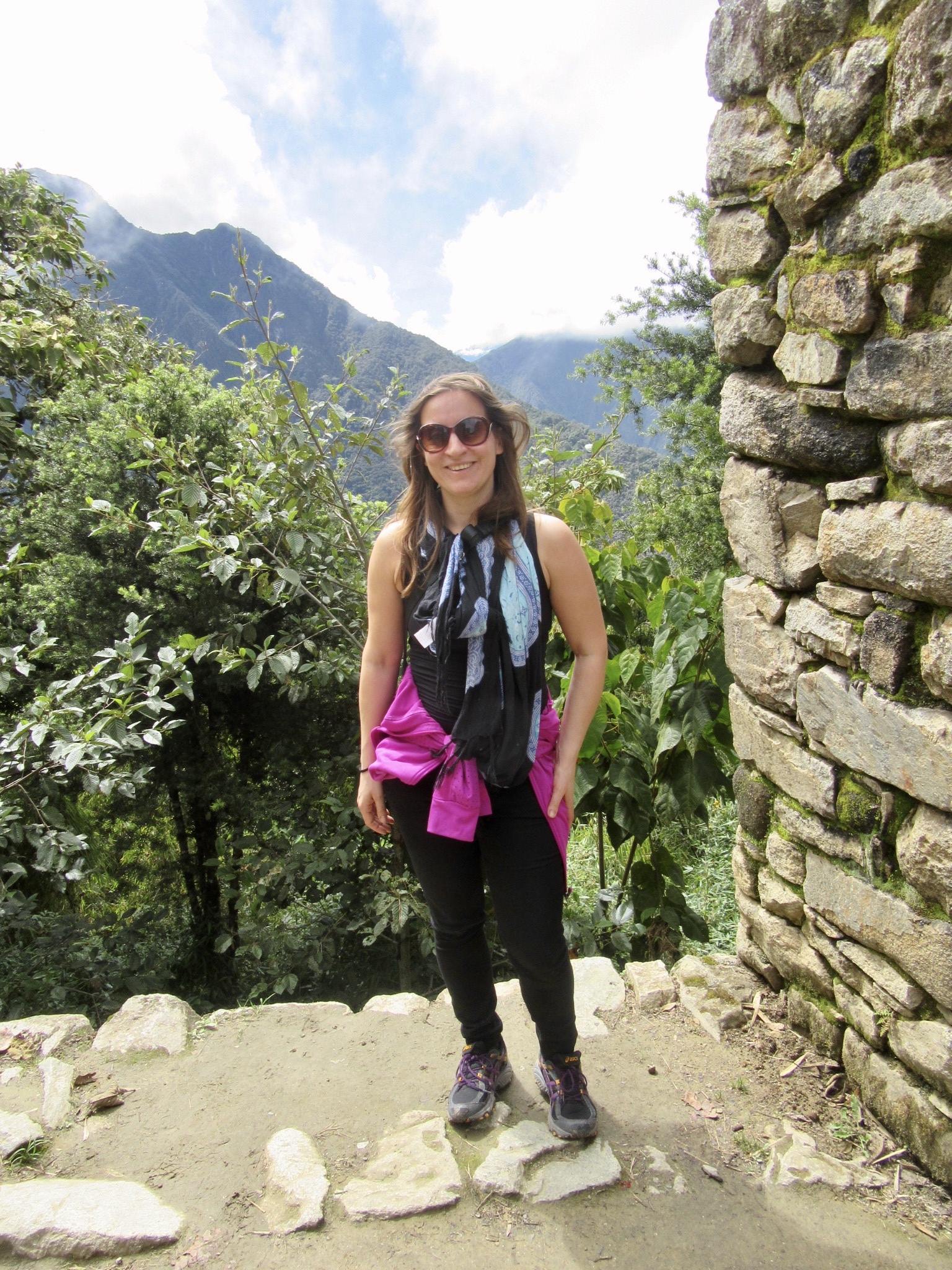
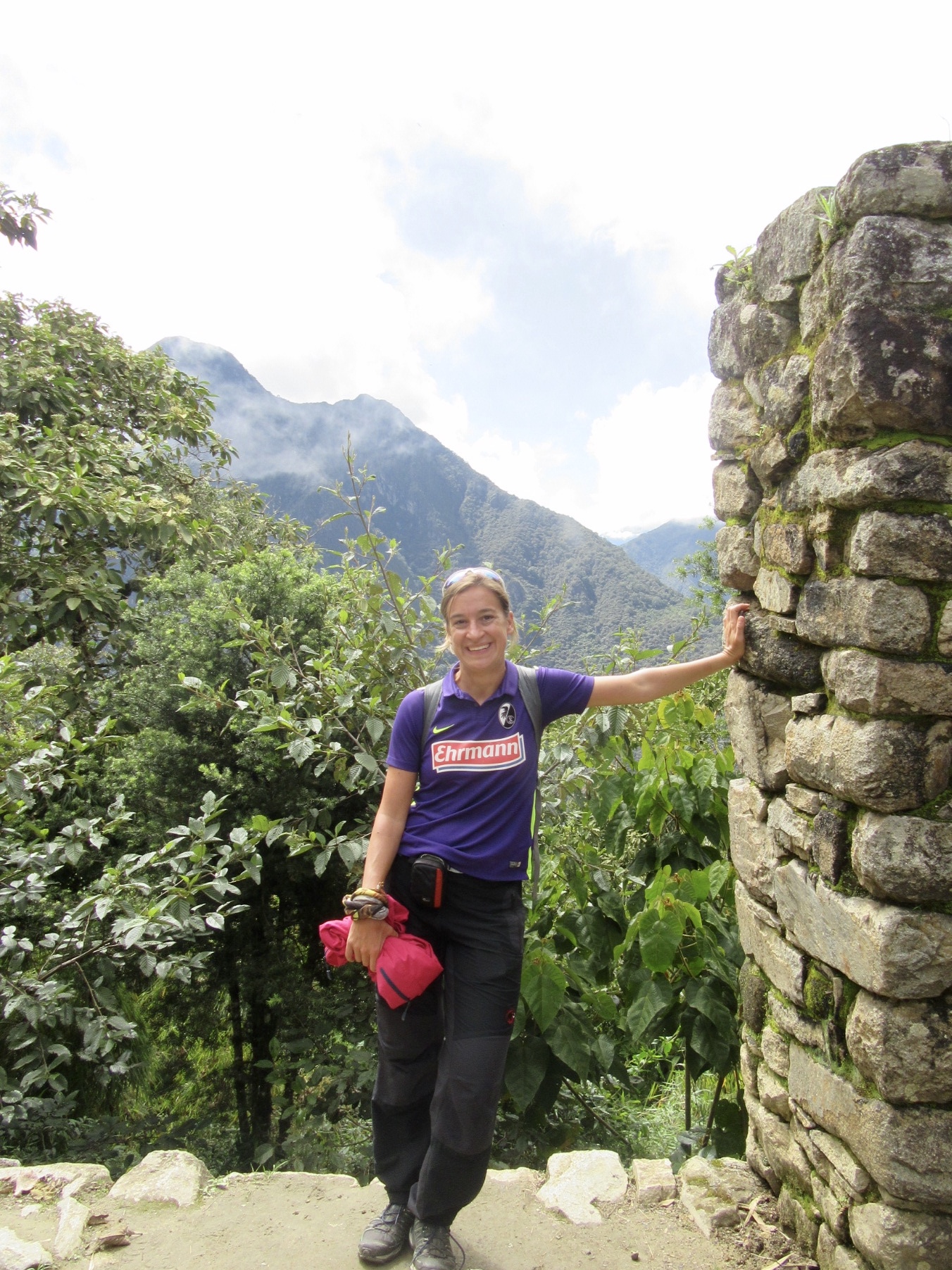
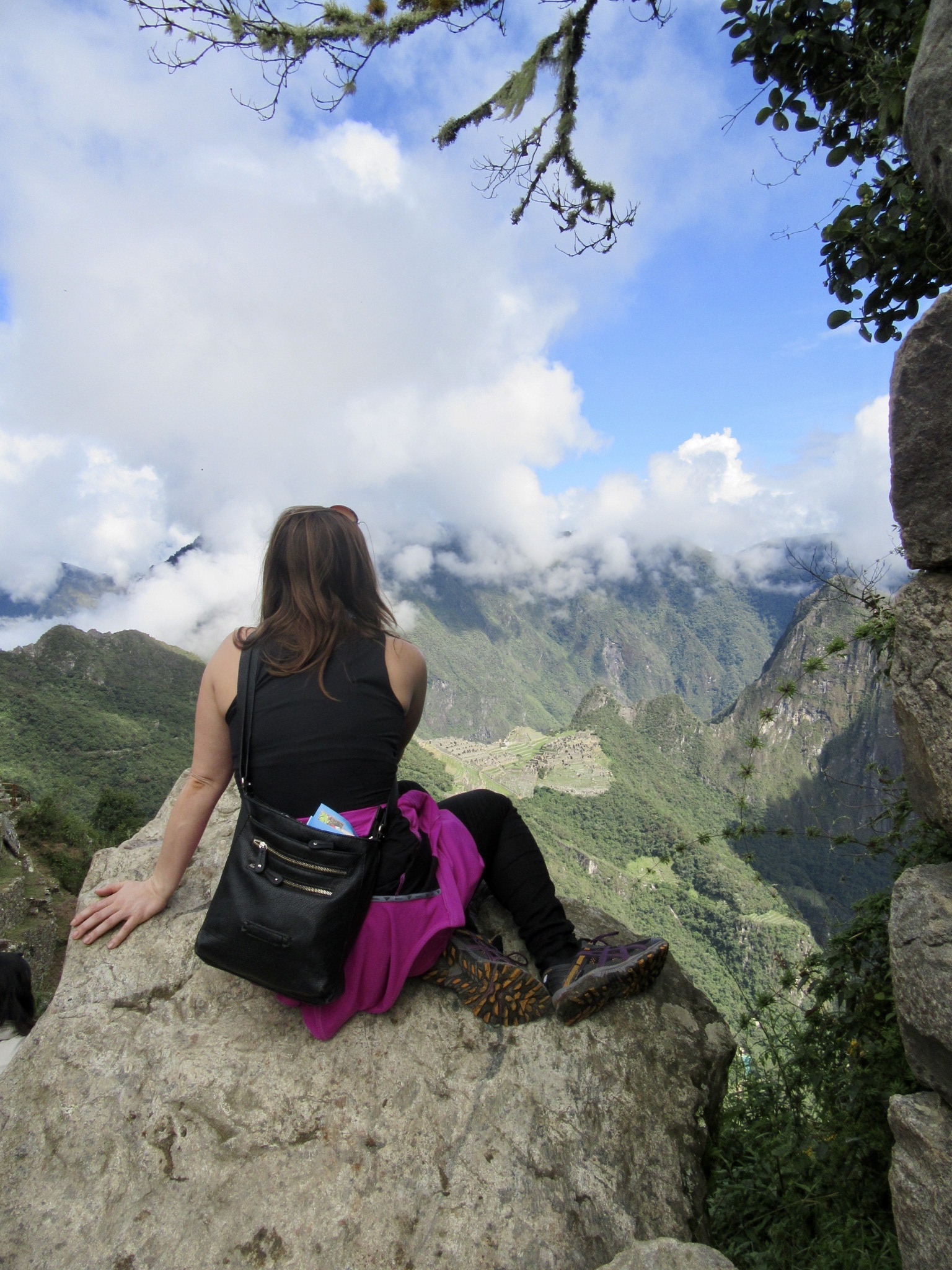
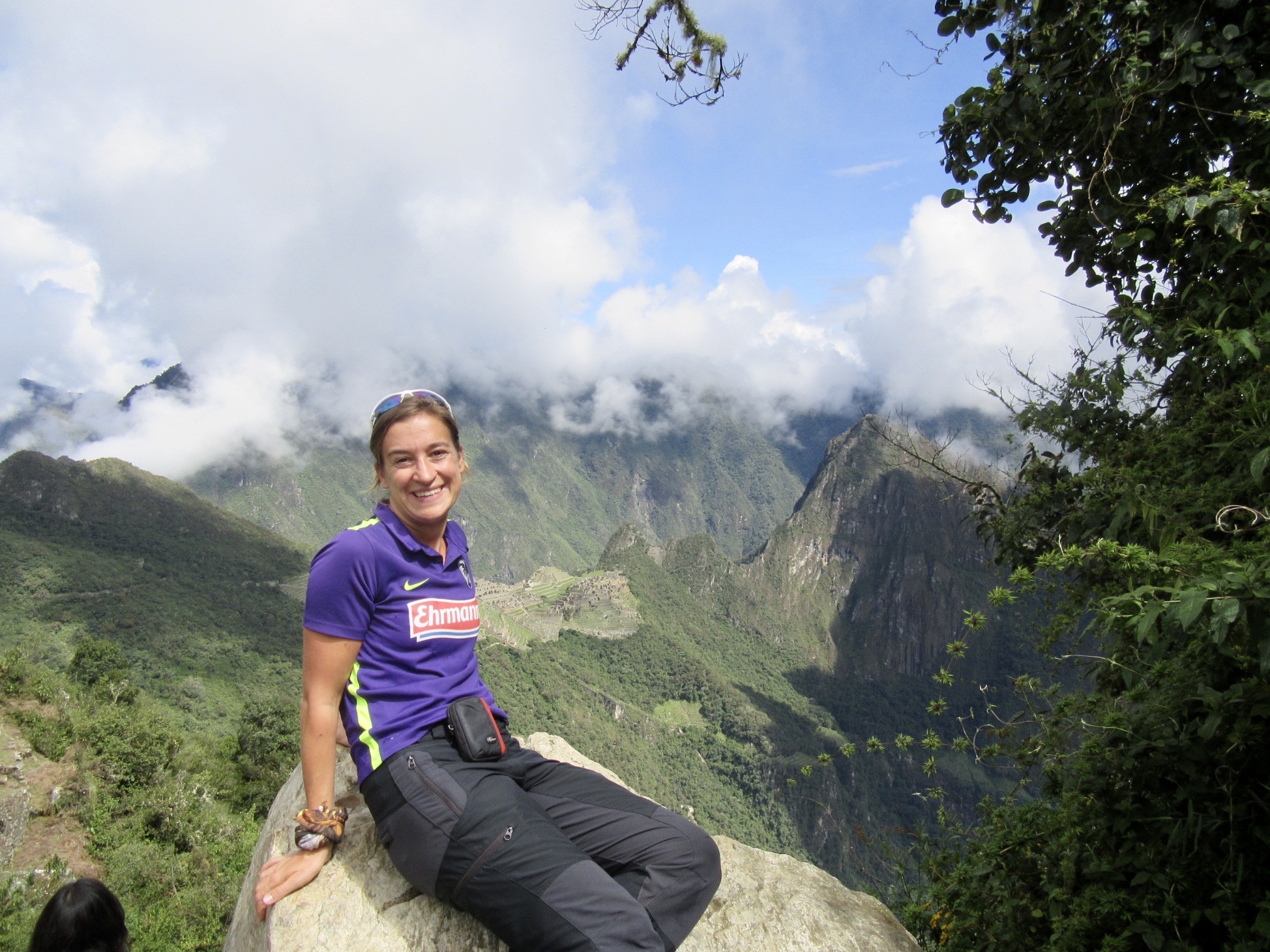
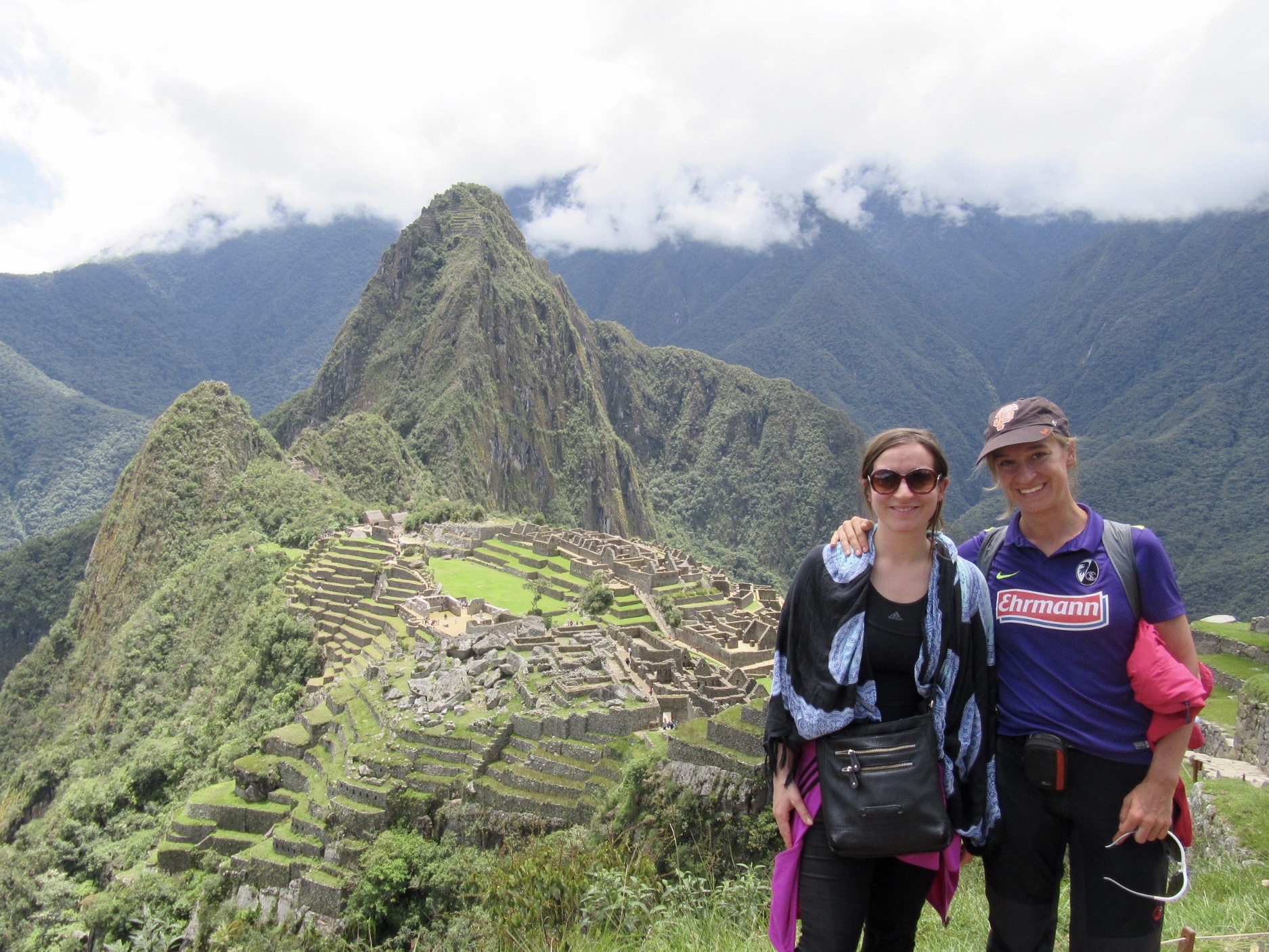
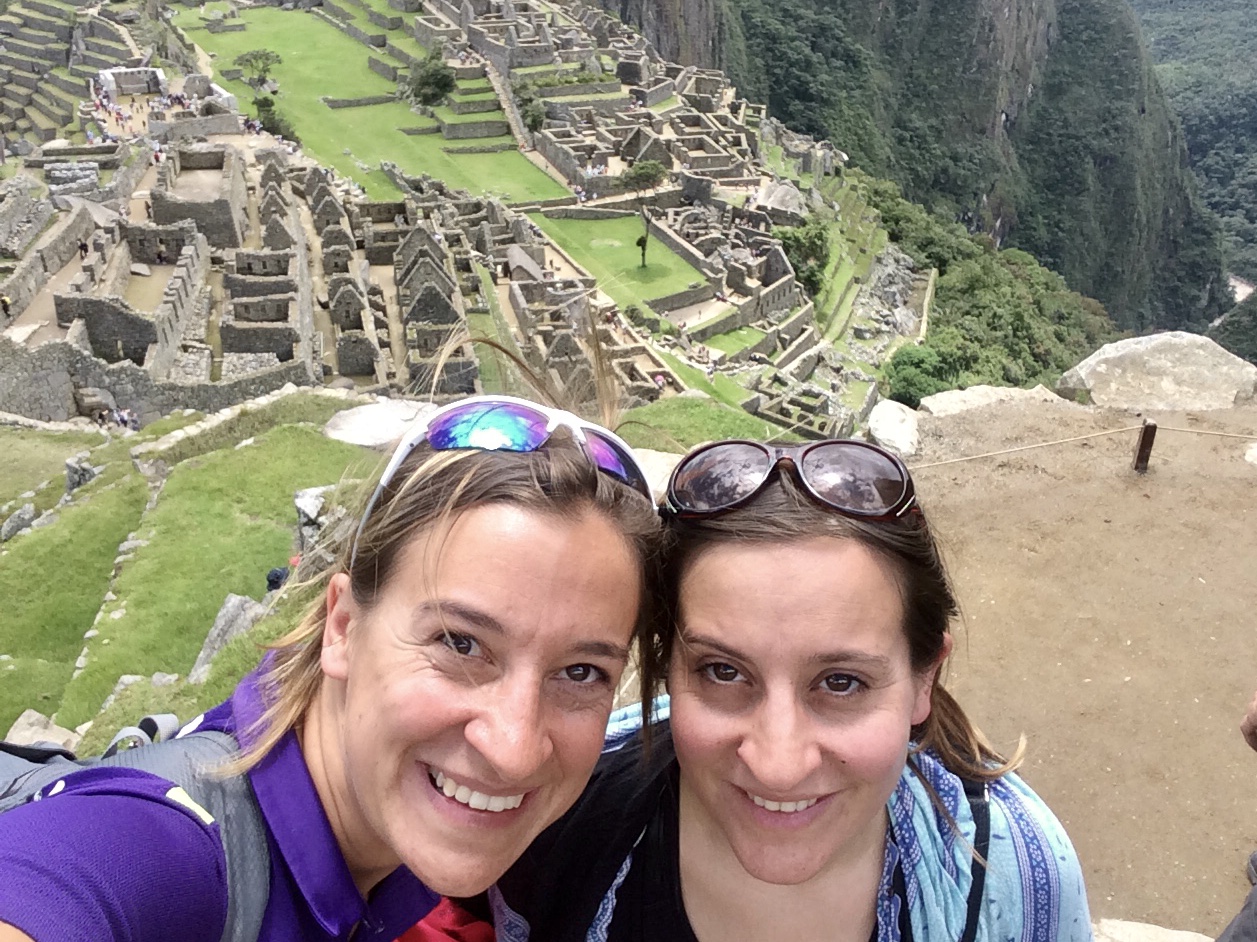
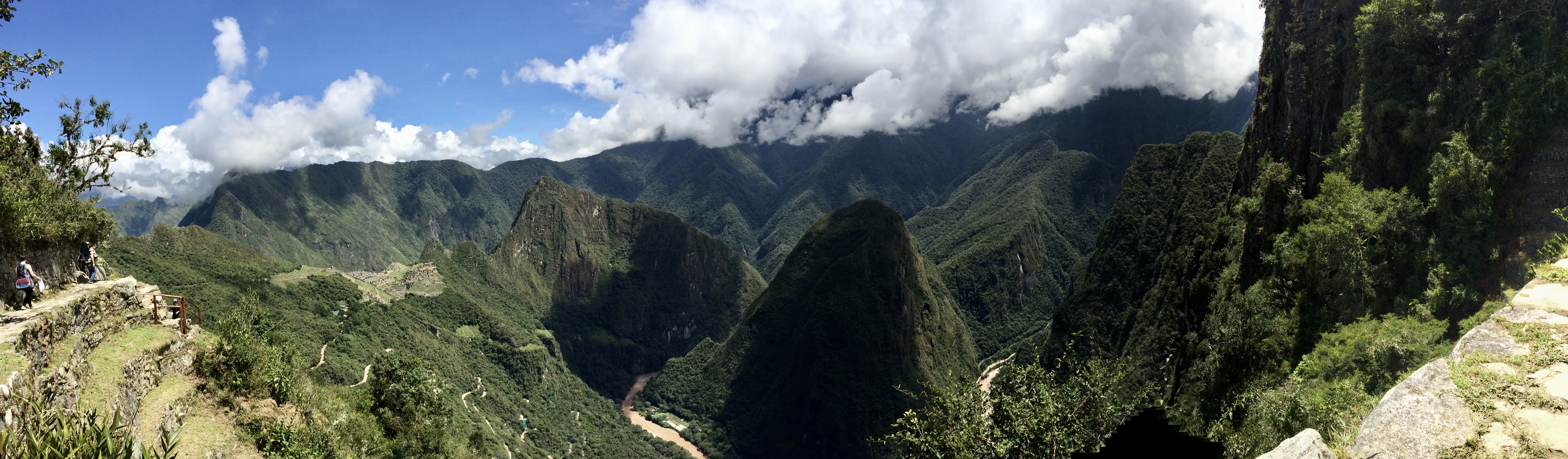
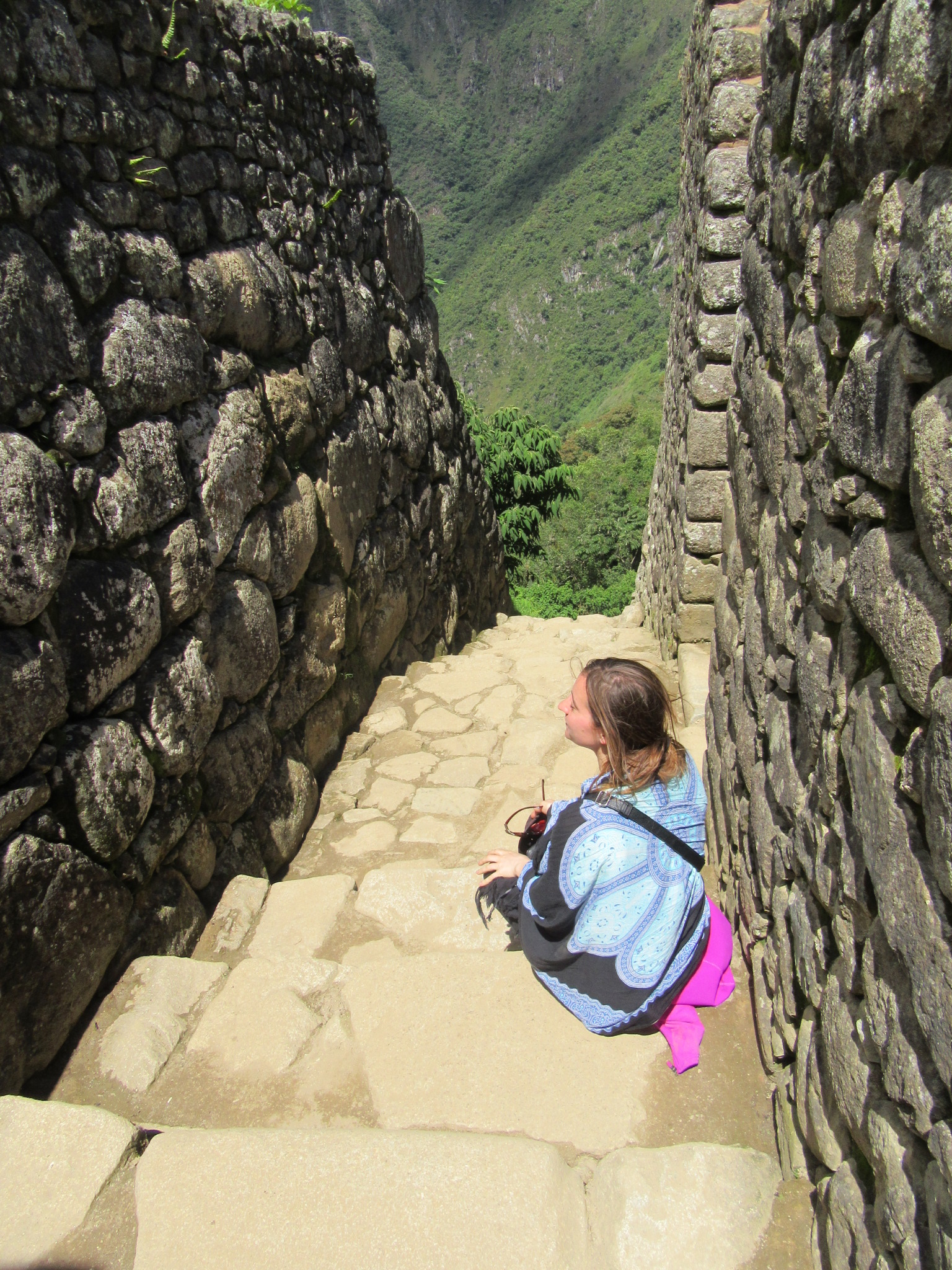
Instead, Lena and I hiked up the path in the opposite direction to the Sun Gate after the tour and a short lunch break. The clouds had cleared and given way to beautiful sunshine and an even more beautiful view of the ruins. We took all the mandatory photos and selfies. Luckily, the site was not overcrowded. We still managed to witness two marriage proposals: the guys falling down on their knees, presenting the ring and then loud applause from everybody around indicating that it was successful. Slightly embarrassing really.
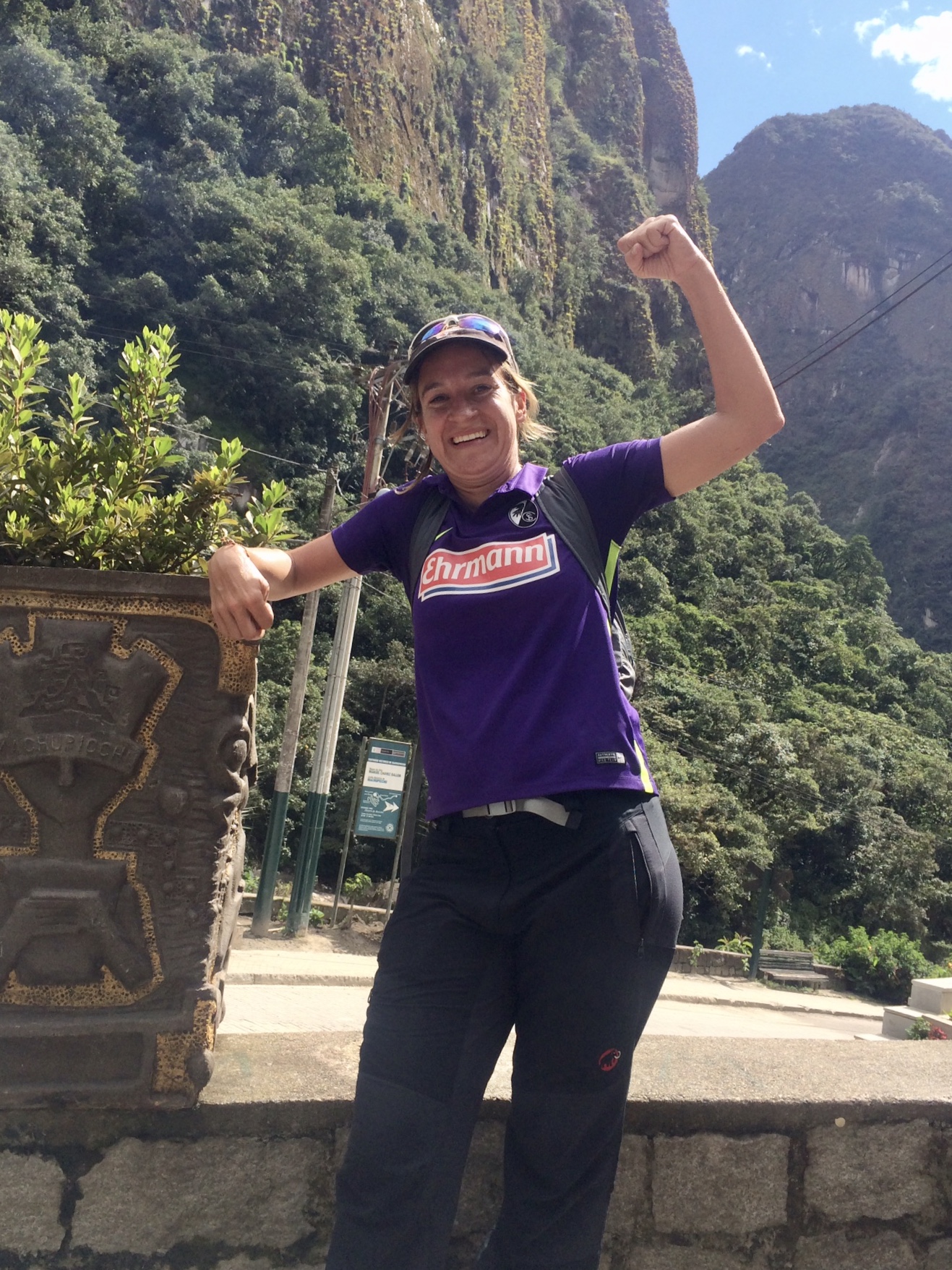
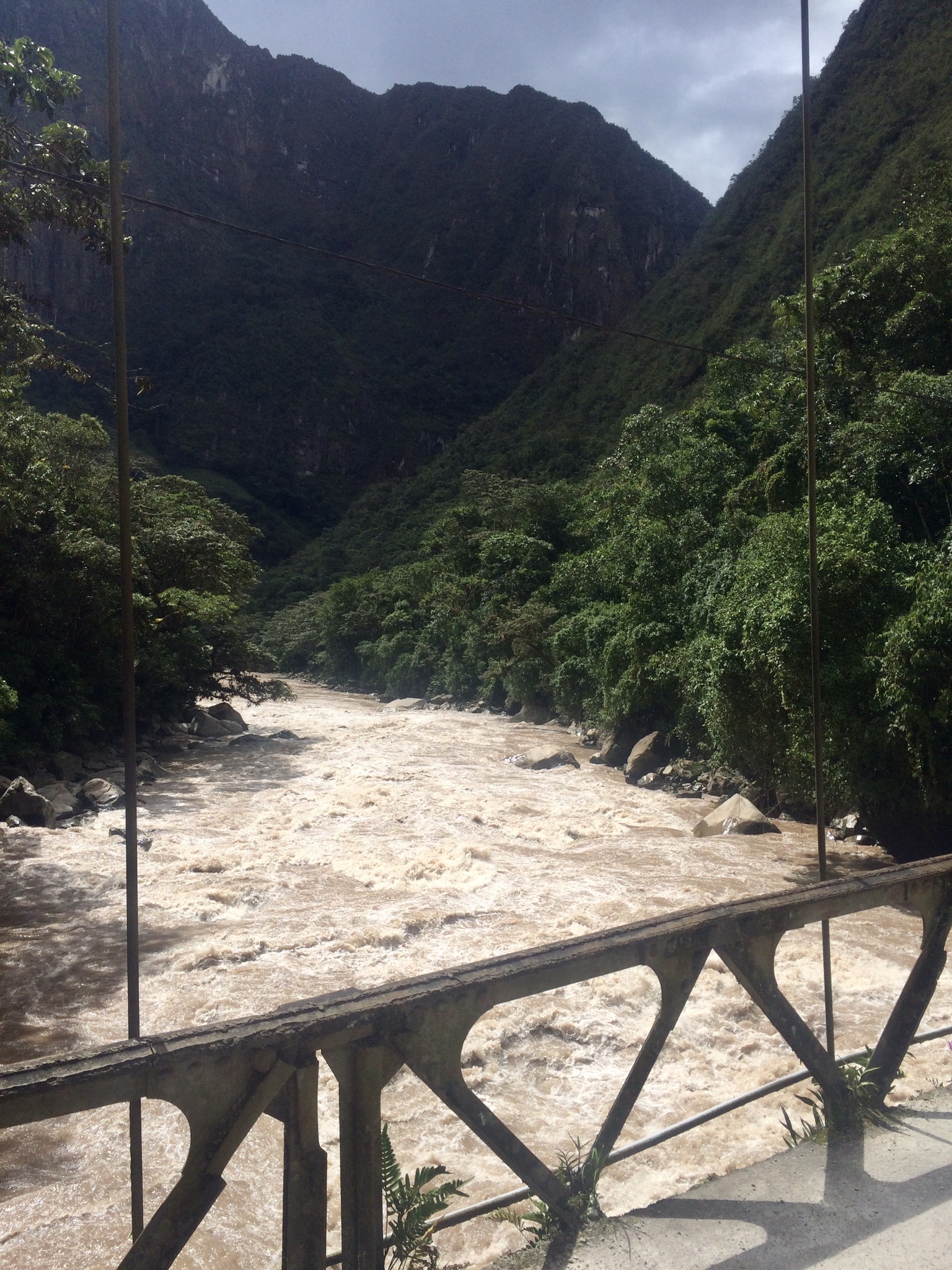
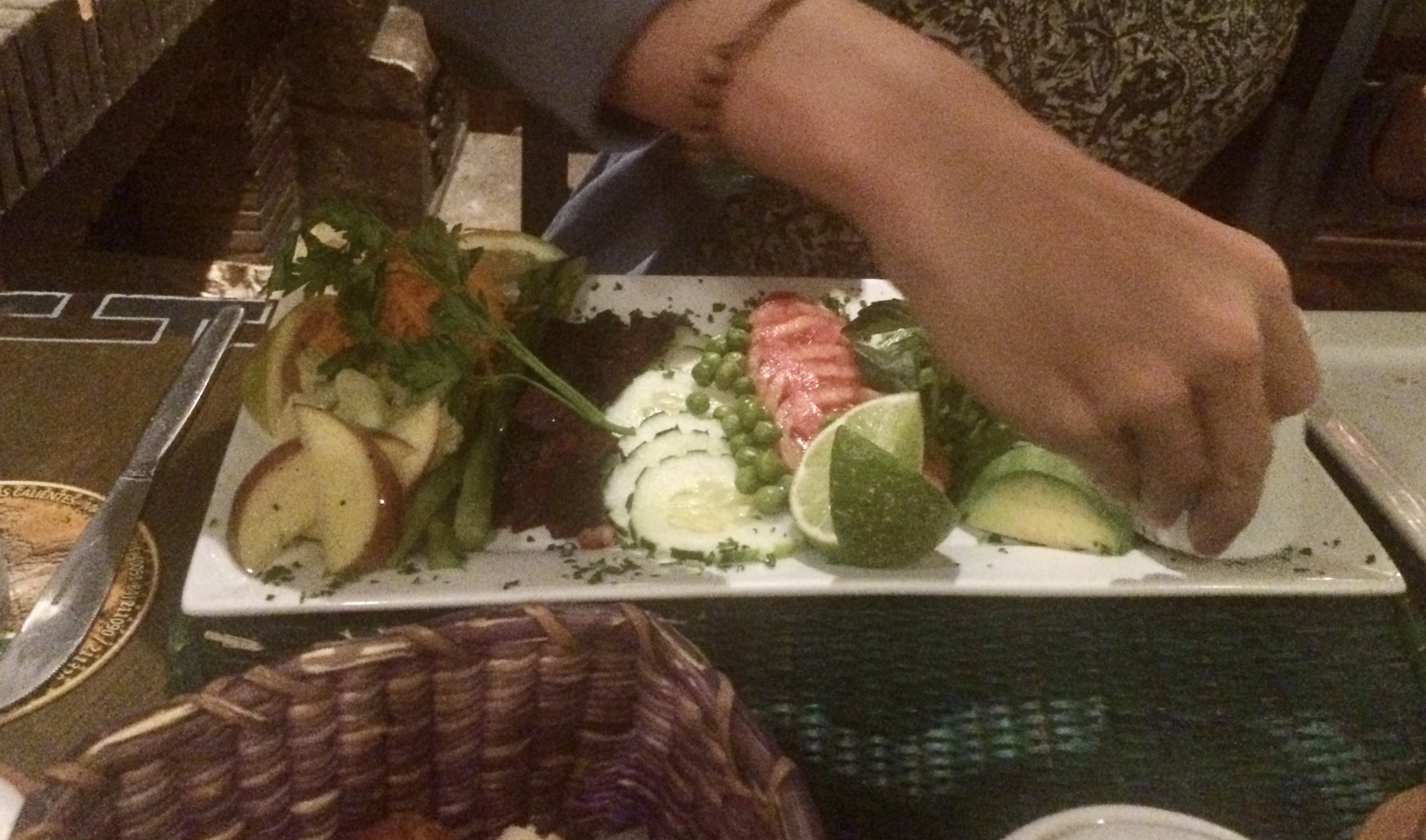
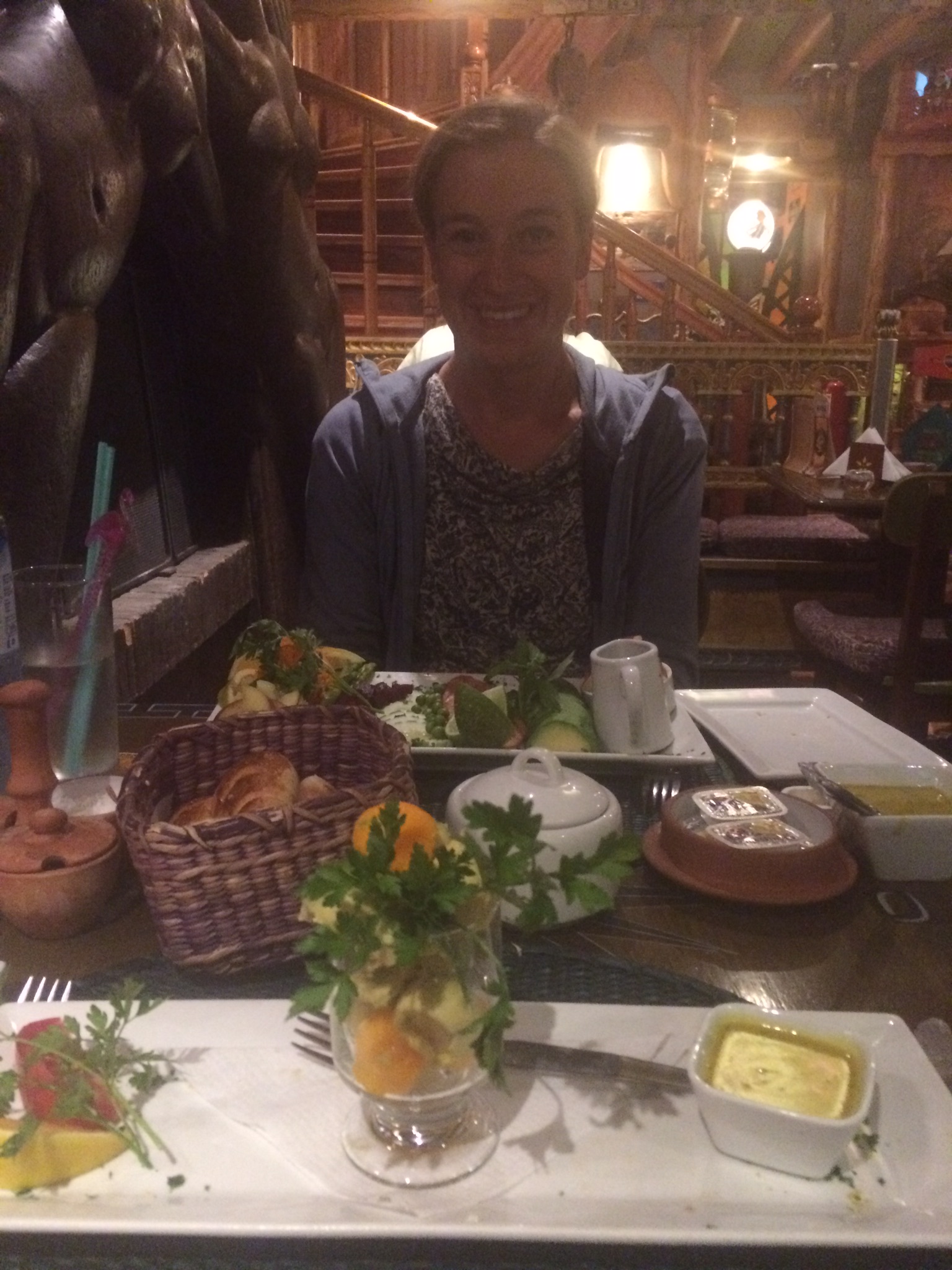
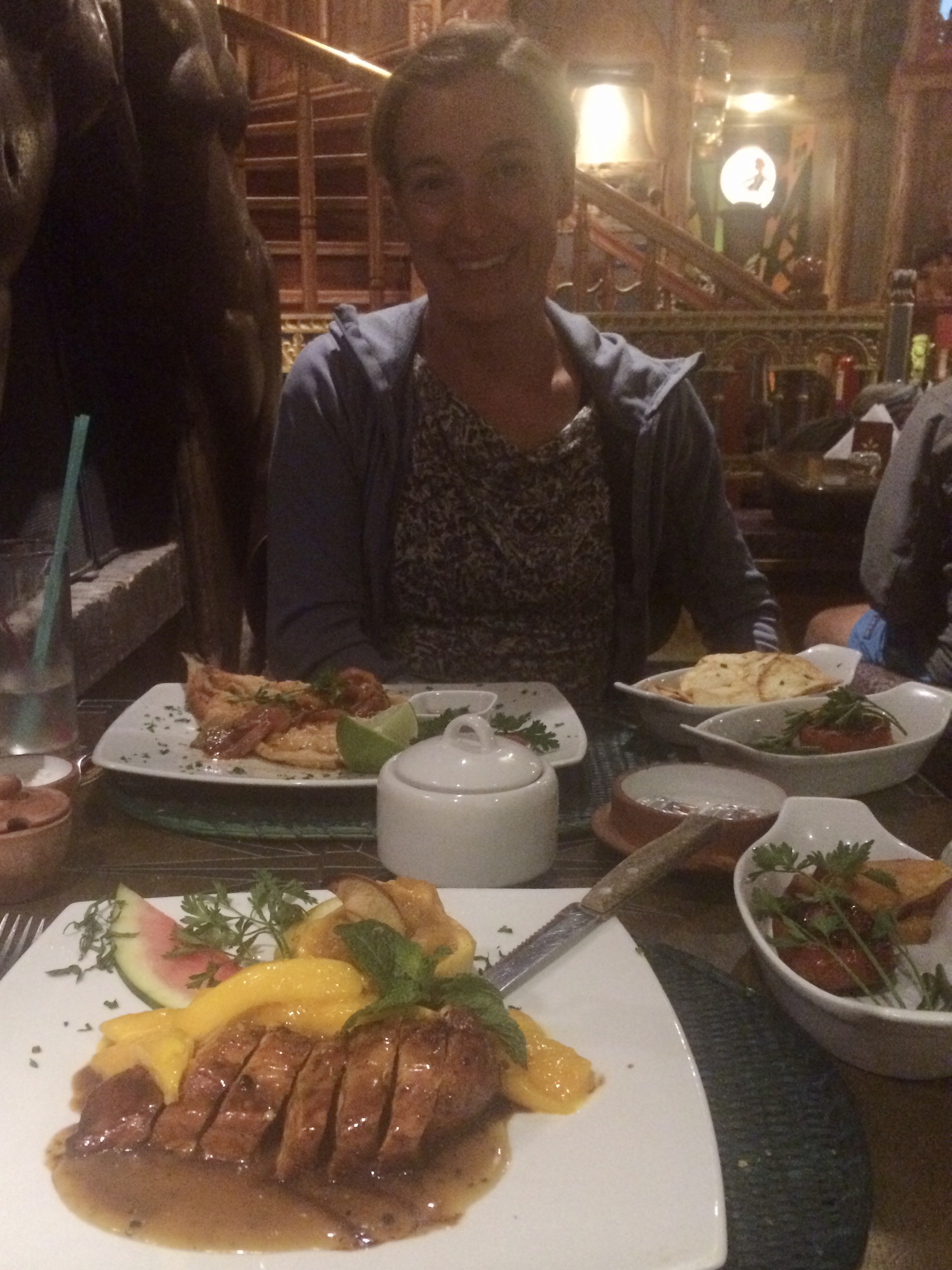
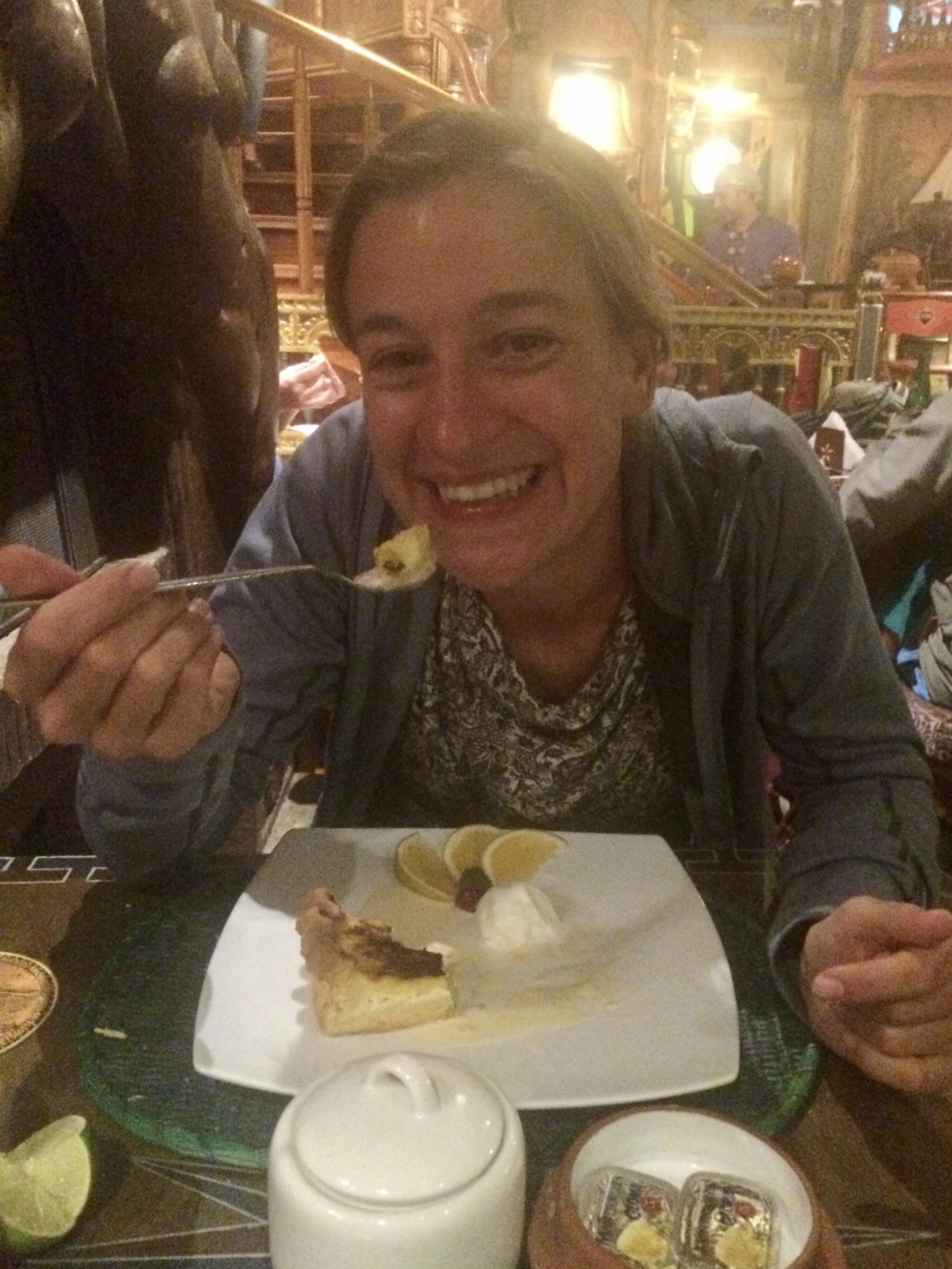
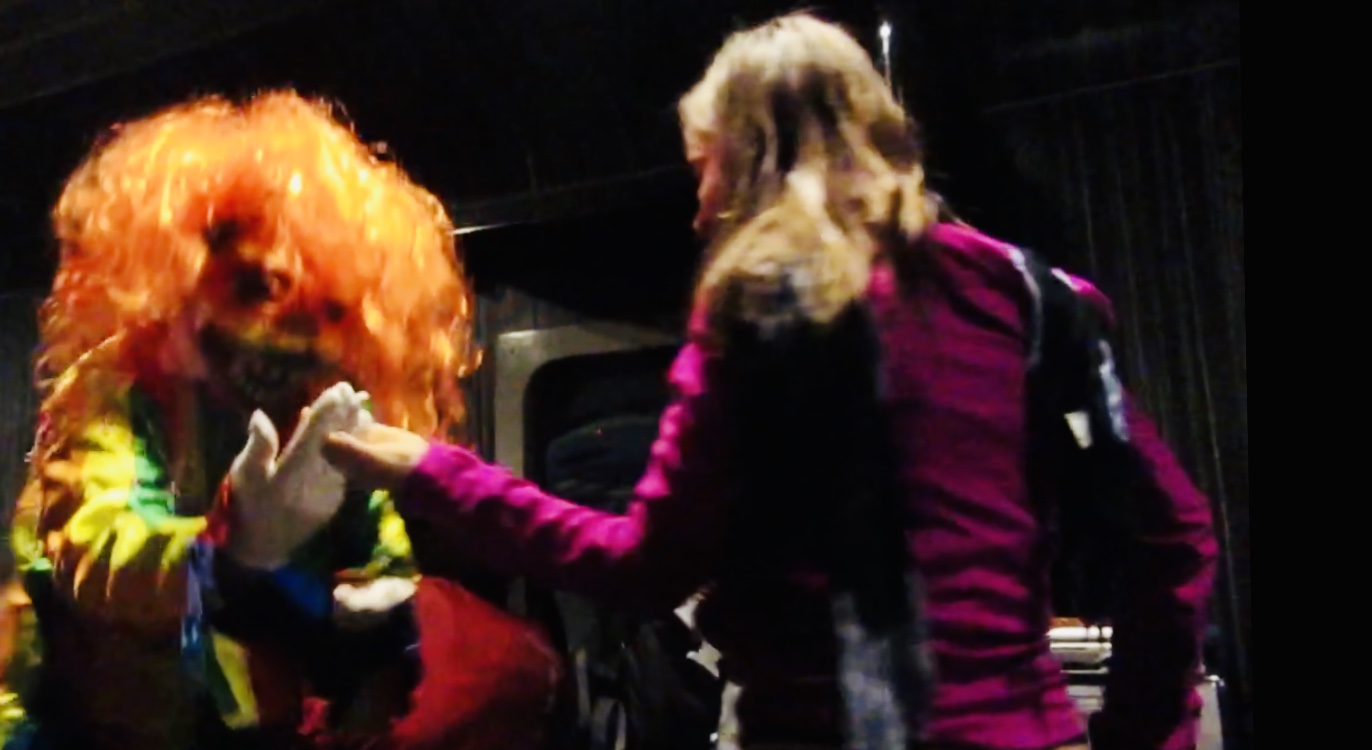
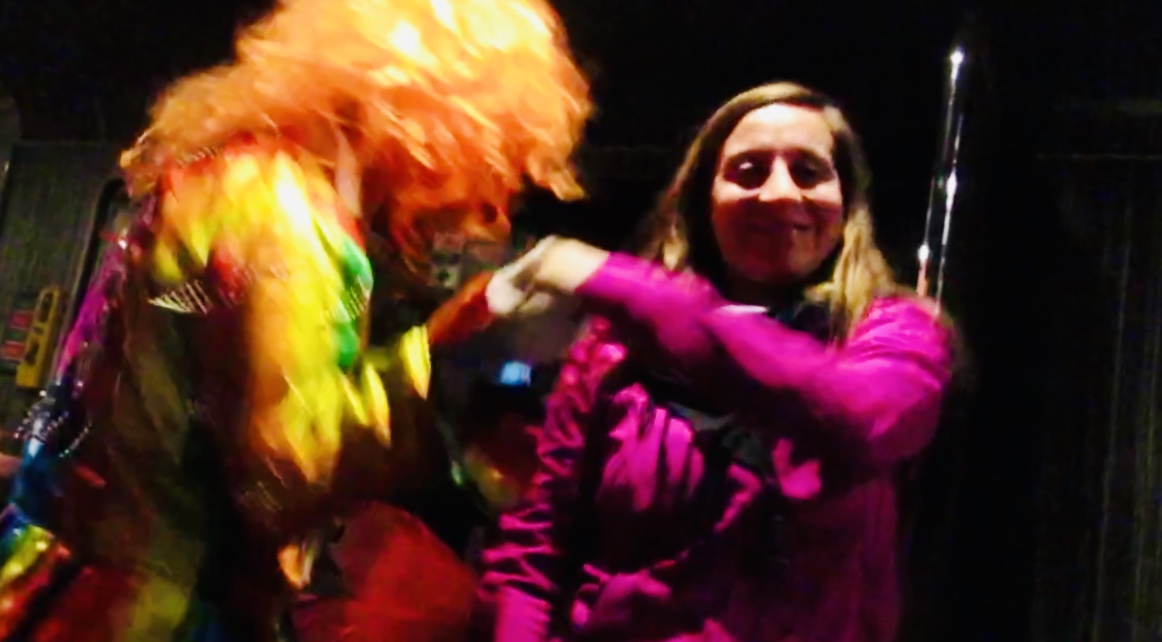
At the end of our visit, Lena caught the bus back to town and I ran down the trail through the forest. I got to the bottom first and celebrated with a cool beer in one of the pubs along the river. Once Lena arrived, we looked for and found a great restaurant, where we had a very yummy three course meal. We took the train back to Ollantaytambo and from there the minibus to Cusco. On the train, Lena got to dance with an Inca Spirit!
 lisaimwunderland.com